Robert Kabushenga urges public investment to boost coffee yields and quality
Kabushenga argues that high coffee prices do not automatically lift farmers, and says Uganda needs public investment to raise yields and quality.
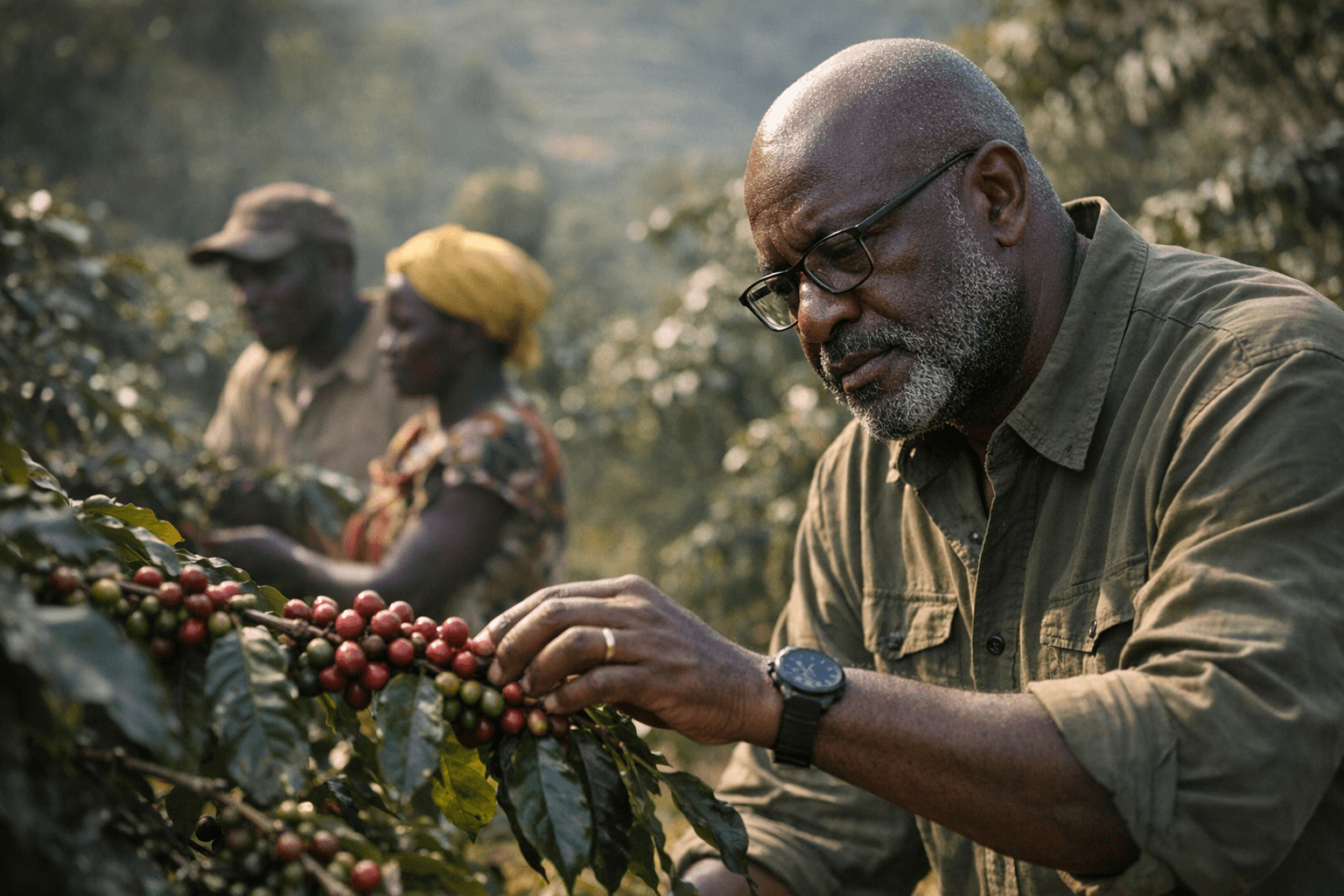
Robert Kabushenga is pushing back on the easy coffee story
Robert Kabushenga is using his farm tours to challenge a popular assumption: that high coffee prices automatically mean farmers are winning. His message is more complicated and more useful for the coffee sector in Uganda, where labor, yield and quality constraints still shape who benefits from a boom.
The core of his argument is simple. Coffee may be expensive, but growing it well is still hard work, and that work needs support if smallholders are going to capture real gains. That is why he is urging public investment in yields and quality rather than treating price spikes as proof that the system is already working.
Why higher prices do not tell the whole story
The strongest part of Kabushenga’s account is the reminder that coffee farming is labor-intensive even when market conditions look favorable. High prices can make headlines, but they do not remove the costs of cultivation, the time required in the field, or the effort needed to keep production consistent from season to season.
That matters because price alone can create a false picture of prosperity. If farms are producing too little, or if quality is uneven, then a strong market price does not translate into the kind of durable income growth that smallholders need. Kabushenga’s point cuts through that simplification and puts attention back on the real bottlenecks in production.
The case for public investment
Kabushenga is arguing for public investment because the biggest gains will come from raising both yields and quality, not just from waiting for prices to stay high. That is a practical position, especially in a sector where smallholders dominate and where the ceiling on income is often set by what happens on the farm itself.
Investment in yields means helping farmers produce more coffee from the same land. Investment in quality means helping them produce coffee that meets stronger market expectations. Together, those two shifts can make the sector more resilient, because farmers are not relying only on favorable prices to make the business work.
What smallholders need most
For smallholders, the issue is not whether coffee is valuable. It is whether the value that exists in the market can actually be reached from the farm level. Kabushenga’s emphasis on public investment suggests that the missing pieces are not abstract: they are the practical supports that improve output and keep quality from slipping.
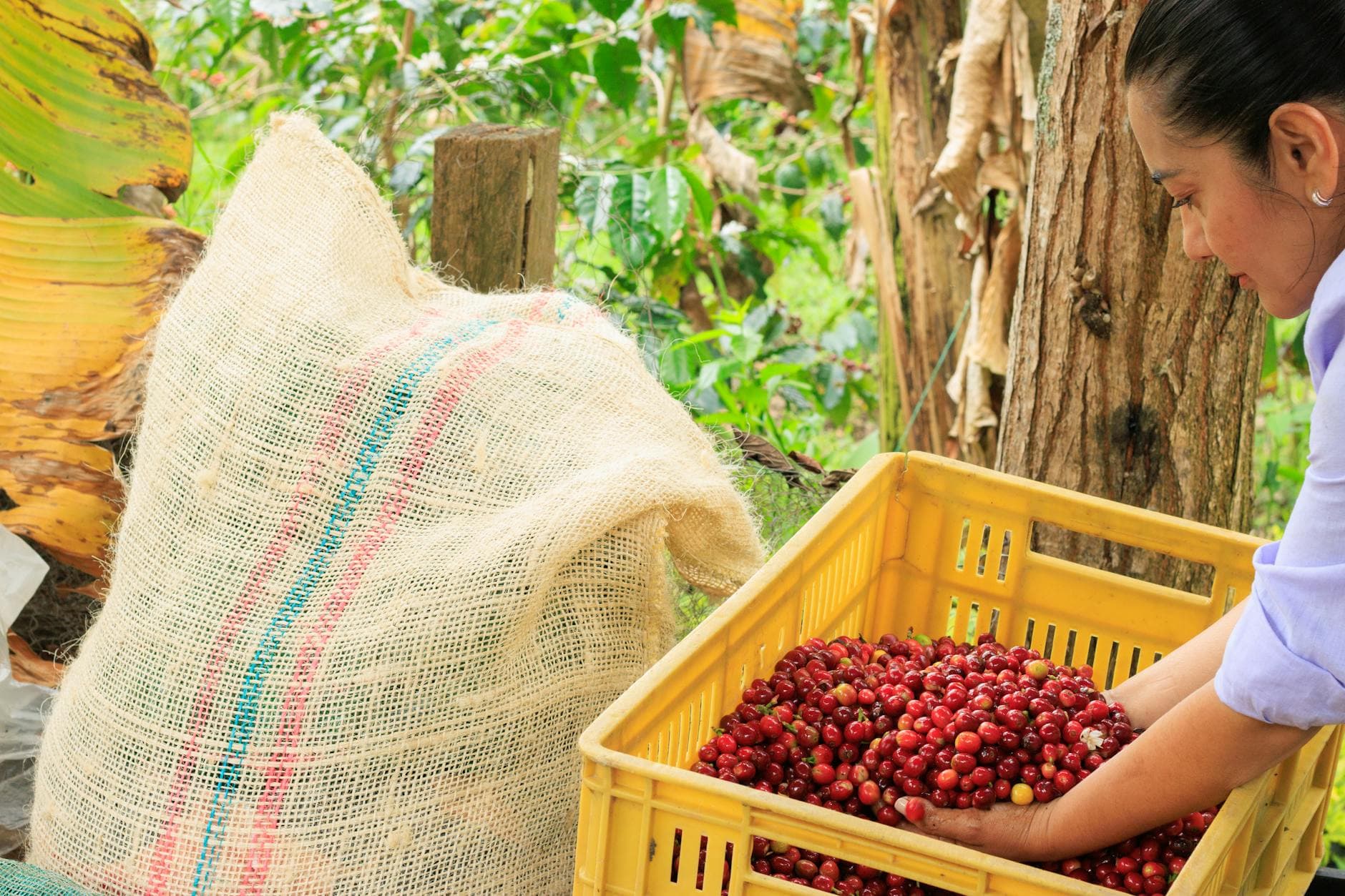
That is why his view resonates beyond a single crop cycle. Farmers need conditions that let them move from surviving price swings to building stable production. When yields rise and quality improves, the farm becomes more competitive, and the benefits of a strong coffee market spread more widely.
Ugandans across the value chain stand to gain
Kabushenga’s comments also point to opportunity beyond the farm gate. The post highlights opportunities for Ugandans in the value chain, which means there is room for people and businesses involved in sourcing, handling, processing and selling coffee to benefit when the sector becomes stronger.
That wider view is important. Coffee is not only about the farmer and the buyer at the point of sale. It is a chain of work, and stronger yields and better quality can support more activity at every stage. If the sector becomes more reliable, the gains can flow into more jobs, more services and more room for local enterprise.
Why this matters for future supply and pricing
Kabushenga’s warning about labor and investment bottlenecks has implications well beyond today’s farmgate conversation. If yields stay constrained, supply growth can lag behind demand, and that can keep pressure on prices. If quality remains inconsistent, buyers may hesitate to reward the sector at the level farmers expect.
That is what makes his argument so relevant now. The future of Uganda’s coffee boom will not be decided by price headlines alone. It will depend on whether the industry can solve the basic production problems that sit underneath those headlines.
A more realistic coffee narrative
Kabushenga’s perspective is valuable because it replaces a simplistic story with a more workable one. Coffee prices may be high, but high prices do not erase the demands of labor, the need for better yields, or the importance of quality investment. They only make those weaknesses more visible.
For Uganda’s coffee community, that is the right place to focus. The next phase of growth will come from stronger farms, better support and a broader share of the value chain, not from assuming that a good market automatically solves production problems.
This article was produced by Prism’s automated news system from verified source data, official records, and press releases, then run through automated quality and moderation checks before publishing. The system is built and supervised by the people who set the standards it runs under. Read our full AI policy.
Did this article answer your question?