Home espresso lovers learn maintenance matters as much as flavor
Home espresso is finally being judged on upkeep, not just crema. Backflushing, descaling, and routine cleaning are now part of the real price of ownership.
The real cost of home espresso has changed
The first surprise of home espresso is not how good the shots can get. It is how quickly a machine that looked pristine at purchase starts demanding attention if you skip the cleaning routine. What used to be sold as convenience and café-style flavor is now being understood as ownership with a maintenance schedule, and that shift is hitting first-time owners, midrange machine buyers, and the instructors who keep telling people a great espresso shot depends on more than a shiny box on the counter.
Breville has been unusually direct about it. The company says a clean machine makes better-tasting coffee and helps the machine last longer, which is about as plainspoken as appliance marketing gets. That message matters because the maintenance burden is no longer an abstract best practice. It is becoming part of the daily price of getting consistent espresso at home.
What maintenance actually means
For most home users, the list starts with the boring-looking tasks that matter most. On supported machines, a clear-water backflush after each brewing session is part of the routine. After that comes wiping the steam wand immediately, cleaning the shower screen, clearing the portafilter, and making sure coffee residue does not sit long enough to harden into a problem.
Breville’s guidance breaks the work into a realistic rhythm for people making about two to five cups per day. Some parts should be cleaned weekly, while the grinder and water tank may only need attention every two to three weeks. That schedule is the useful part of the story: home espresso does not require constant fussing, but it does punish neglect fast enough that “I’ll get to it later” becomes a flavor problem.
The tasks that trip up beginners
Backflushing is the one that catches many new owners off guard, mostly because it sounds technical until a machine starts coughing out stale residue. It is not decorative upkeep. Breville recommends a clear-water backflush after each brewing session on supported models because the process helps move coffee oils and buildup out of the system before they affect the next shot.
Descaling is the other task that gets delayed too long. Breville says minerals can build up in the heating elements of the espresso maker, and that scale can affect coffee taste. In the company’s own instruction manual, hard-water buildup is tied to reduced brewing flow, lower brewing temperature, less machine power, and worse espresso taste. That is the kind of list that changes the conversation from “cleaning” to “machine performance.”
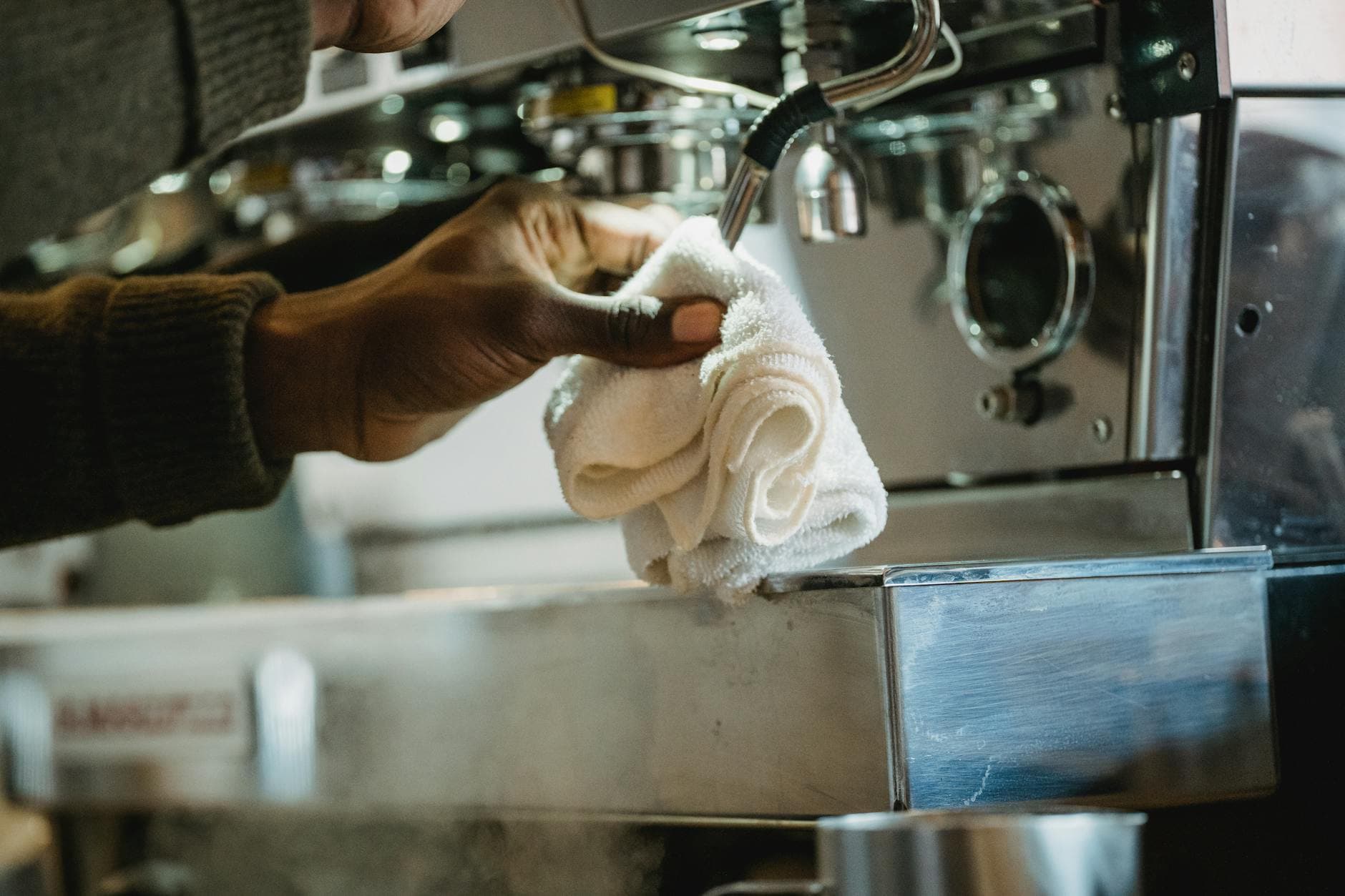
Then there are the small jobs that feel optional until they are not. Wiping the steam wand right after use keeps milk from baking on. Cleaning the shower screen and portafilter keeps residue from turning stale and oily. Replacing worn gaskets matters because little leaks and pressure losses are often the first sign that an owner has mistaken housekeeping for an afterthought.
Why the maintenance conversation is louder now
The shift is partly about scale. More people bought home espresso machines in the last few years, and a lot of those buyers are now past the honeymoon phase. Once the novelty fades, the same machine that once felt impressive starts revealing whether it has been cared for or just used.
That is where the language has changed. Manufacturers are no longer framing maintenance as cosmetic tidying. They are linking it to taste, water flow, steam performance, brewing temperature, and machine longevity. That is a big deal in a category where buyers often compare tampers, baskets, and burr grinders down to the smallest detail but still treat cleaning like an optional chore.
There is also a cultural shift inside coffee itself. The more serious home barista gets about dose, distribution, grind adjustment, and extraction, the harder it is to ignore the condition of the machine. Maintenance is increasingly treated as part of the recipe, not something separate from it.
How brands and repair pros are responding
Breville’s tutorials are a good example of where the market is heading. The company has built maintenance into its education instead of hiding it in the back of a manual, and it spells out that a water filter helps control mineral buildup but does not eliminate the need for descaling. That distinction matters because a filter slows the damage without making the machine immune to it.
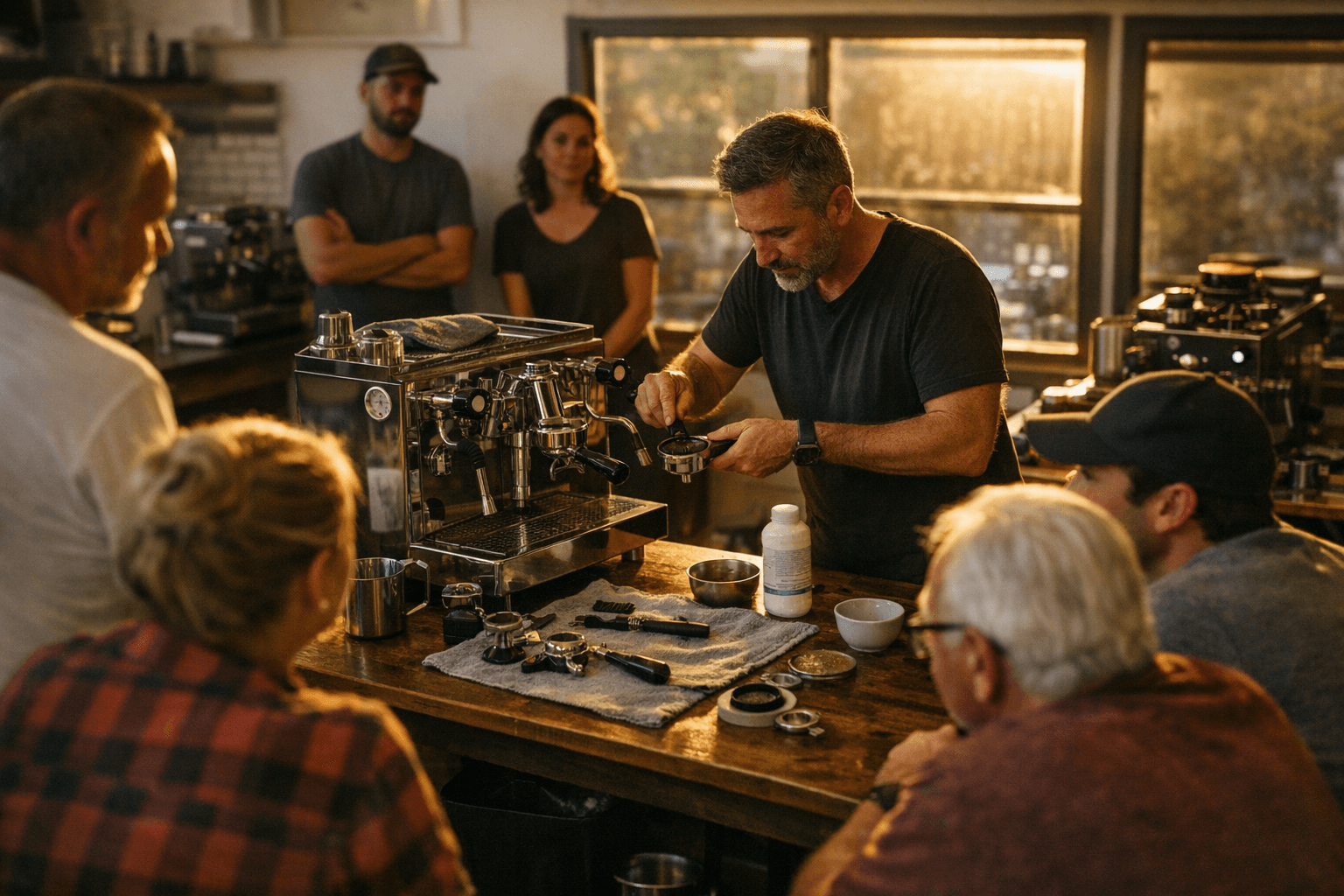
The same logic shows up in repair shops and training spaces, where technicians and baristas see the aftermath of skipped upkeep every day. Scale and coffee residue are not just ugly. They can change the way a machine heats, moves water, and steams milk, which means they can change the cup in ways owners often blame on beans or grind size. Once those symptoms appear, the machine is already telling on itself.
For brands, that reality is pushing the conversation toward durability. For retailers, it means guiding buyers toward the machine they will actually maintain, not just the one with the most impressive spec sheet. For repair experts, it means reminding customers that the cost of ownership includes the parts of the workflow nobody posts on social media.
What to do if you want stable espresso
The practical answer is not to fear maintenance. It is to build it into the habit of making coffee.
- Backflush with clear water after each brewing session if your machine supports it.
- Wipe the steam wand immediately after steaming milk.
- Clean the shower screen and portafilter before residue builds up.
- Follow a weekly cleaning rhythm if you are making roughly two to five cups a day.
- Treat descaling as a performance task, not a panic move after taste drops off.
- Keep an eye on water quality, but do not assume a filter makes descaling unnecessary.
- Replace worn gaskets before leaks and pressure loss start affecting shots.
That is the part of home espresso people are still learning the hard way: flavor is not just pulled from the puck, it is also protected by how clean the machine stays between shots. The gear can make beautiful espresso, but only if the owner respects the maintenance that keeps it honest.
This article was produced by Prism’s automated news system from verified source data, official records, and press releases, then run through automated quality and moderation checks before publishing. The system is built and supervised by the people who set the standards it runs under. Read our full AI policy.
Did this article answer your question?