Italian study links espresso and moka coffee to lower liver disease risk
Espresso and moka pot drinking in southern Italy tracked with lower MASLD odds, but the study shows an association, not proof that coffee prevents liver disease.

Espresso and moka pot coffee were associated with lower odds of MASLD in a cohort study from southern Italy. The finding points to association, not proof that coffee itself protects the liver.
What the Italian cohort looked at
The paper, titled "Italian style coffee consumption and metabolically dysfunctional-associated steatotic liver disease (MASLD): a cohort population study in Southern Italy," appeared in Frontiers in Nutrition on 19 March 2026 in Volume 13. Its DOI is 10.3389/fnut.2026.1797230, and Frontiers placed it inside the Research Topic "Precision Nutrition and Dietary Interventions in the Management of Metabolic Dysfunction-Associated Steatotic Liver Disease (MASLD)."
It was framed as a nutrition-and-disease study of whether a specific drinking pattern, in a specific region with specific habits, lined up with different liver outcomes. Because it followed a cohort population in southern Italy, it is a map of risk patterns, not a treatment recommendation.
What the results point toward
The results point to a lower-risk association at moderate Italian-style coffee intake. The odds ratios were 0.468, with a 95% confidence interval from 0.242 to 0.905, and 0.449 for higher daily intake categories. The study's Instagram summary translated that pattern into an everyday shorthand: 4 to 6 cups of espresso or moka-style coffee per day were associated with lower odds of liver disease.
They suggest that brewing style and dose may matter, not just whether the drink contains caffeine. They do not tell you that six shots of espresso will shield anyone from MASLD, and they do not establish that moka pot coffee works as a direct intervention.
Why espresso and moka pot are the interesting part
For home brewers, this study lands in a familiar argument about whether method changes more than flavor. Espresso and moka pot coffee are both deeply tied to Italian routines, but they are not identical cups, and the study puts both methods into the same health conversation.
Coffee drinkers already think about body, oils, filtration, and intensity when choosing between espresso, moka pot, pour-over, or immersion. This paper gives those choices a new angle: the brewing style itself may be part of the exposure researchers need to study when they look at long-term health patterns.
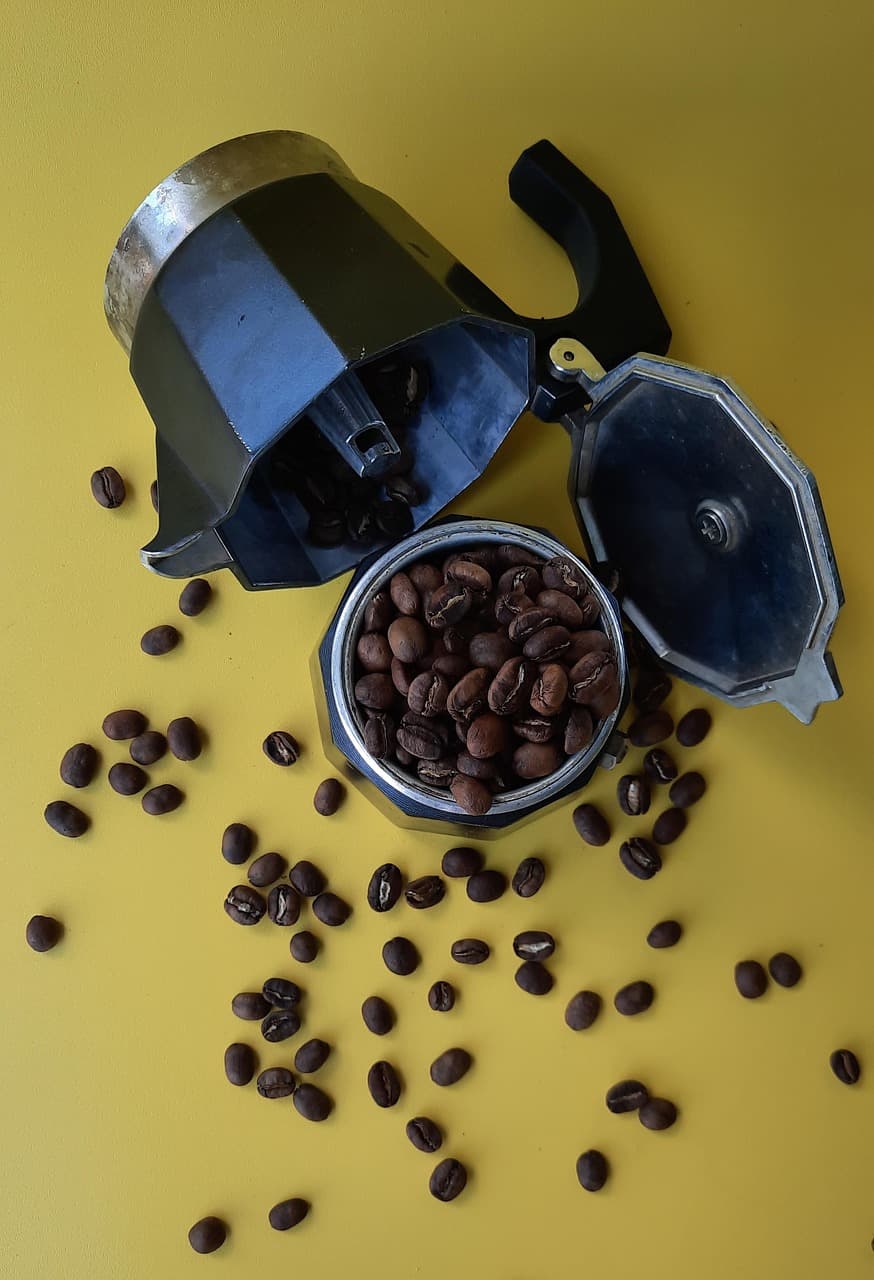
What the study does not prove
A lower odds ratio is not the same as prevention. A cohort population study can show that one group had fewer cases or a lower measured likelihood of a condition, but it cannot by itself separate coffee from every other habit that travels with it, including diet, activity, body composition, and broader lifestyle patterns.
The Italian study adds to the evidence that coffee’s bioactive compounds may affect the body in ways that depend on preparation, amount, and the person drinking it, but it does not turn espresso or moka into medicine. Among coffee drinkers in southern Italy, the pattern observed was more consistent with lower risk than with no effect.
How this fits into the wider coffee-and-liver conversation
Researchers were already examining coffee in relation to MASLD and fibrosis in a 2023 MDPI paper, "Different Associations of Coffee Consumption with the Risk of Incident Metabolic Dysfunction-Associated Steatotic Liver Disease and Advanced Liver Fibrosis." A 2021 BMC Public Health study using UK Biobank data, "All coffee types decrease the risk of adverse clinical outcomes in chronic liver disease," asked the same broad question in a different population.
The European Association for the Study of the Liver estimates that approximately 29 million people in Europe have liver disease.
What home coffee drinkers can actually take from it
Preparation style may be the more useful question. Espresso and moka pot are distinct ways of extracting coffee, and this study suggests that distinction may matter when researchers look at liver outcomes.
This article was produced by Prism’s automated news system from verified source data, official records, and press releases, then run through automated quality and moderation checks before publishing. The system is built and supervised by the people who set the standards it runs under. Read our full AI policy.
Did this article answer your question?