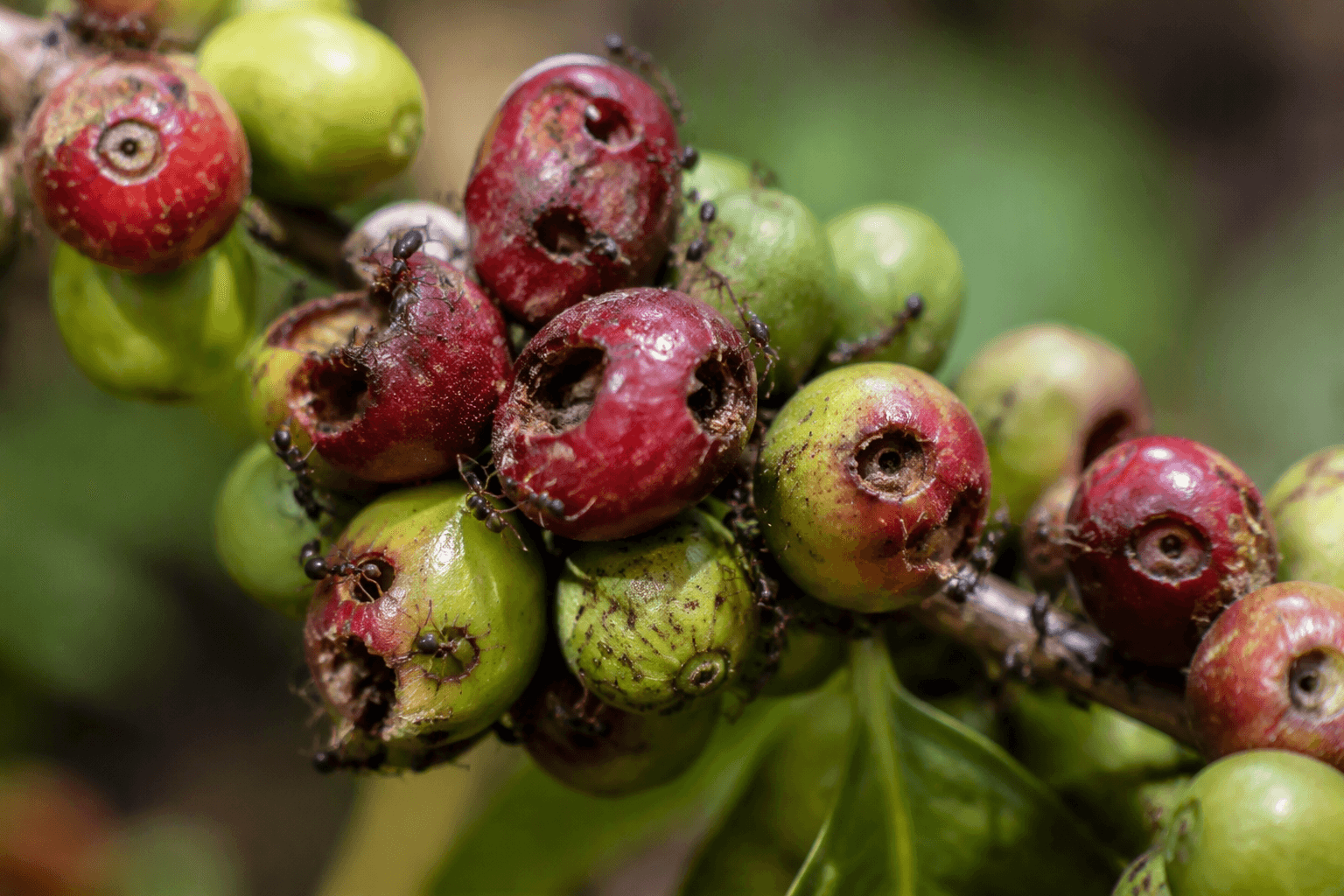
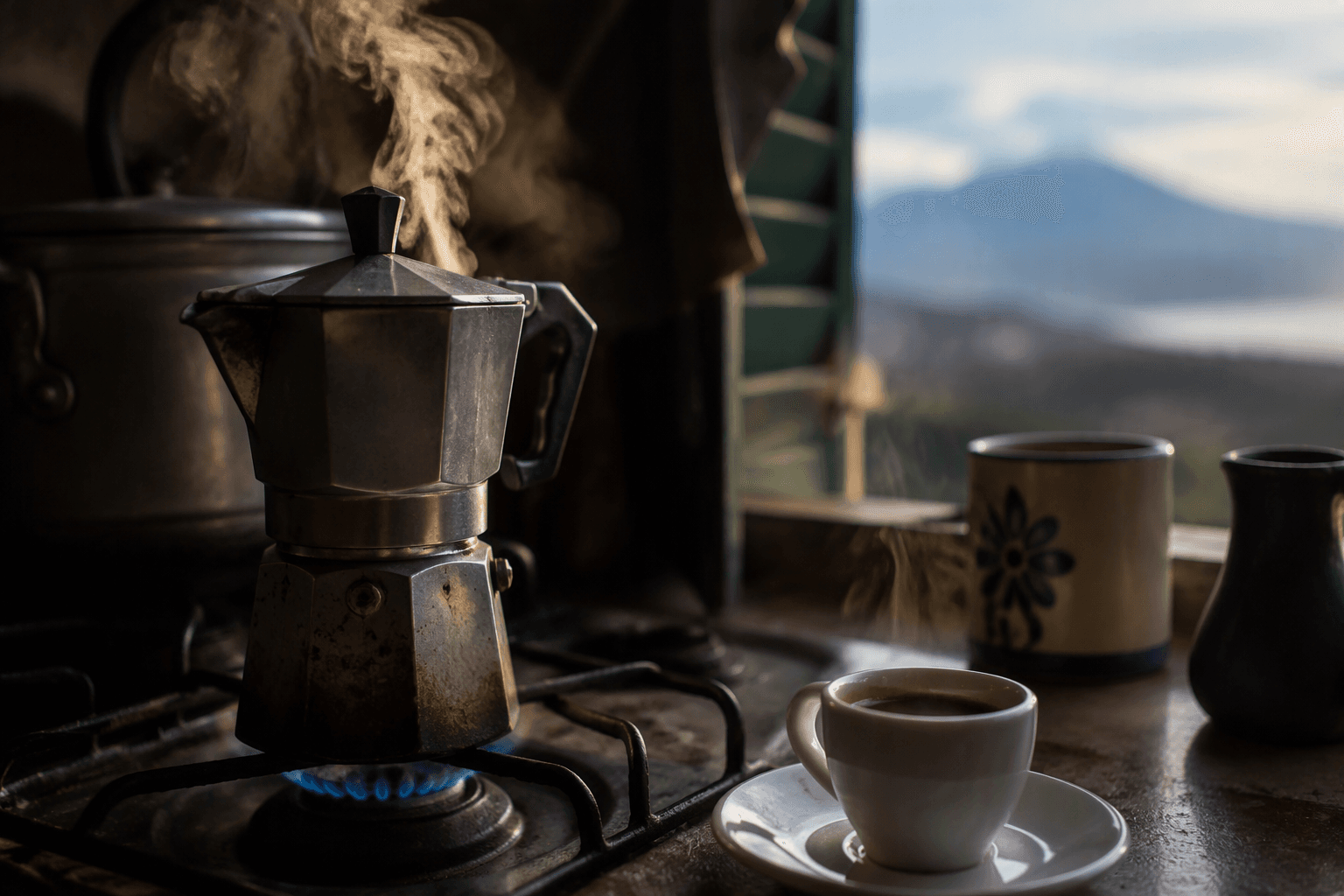
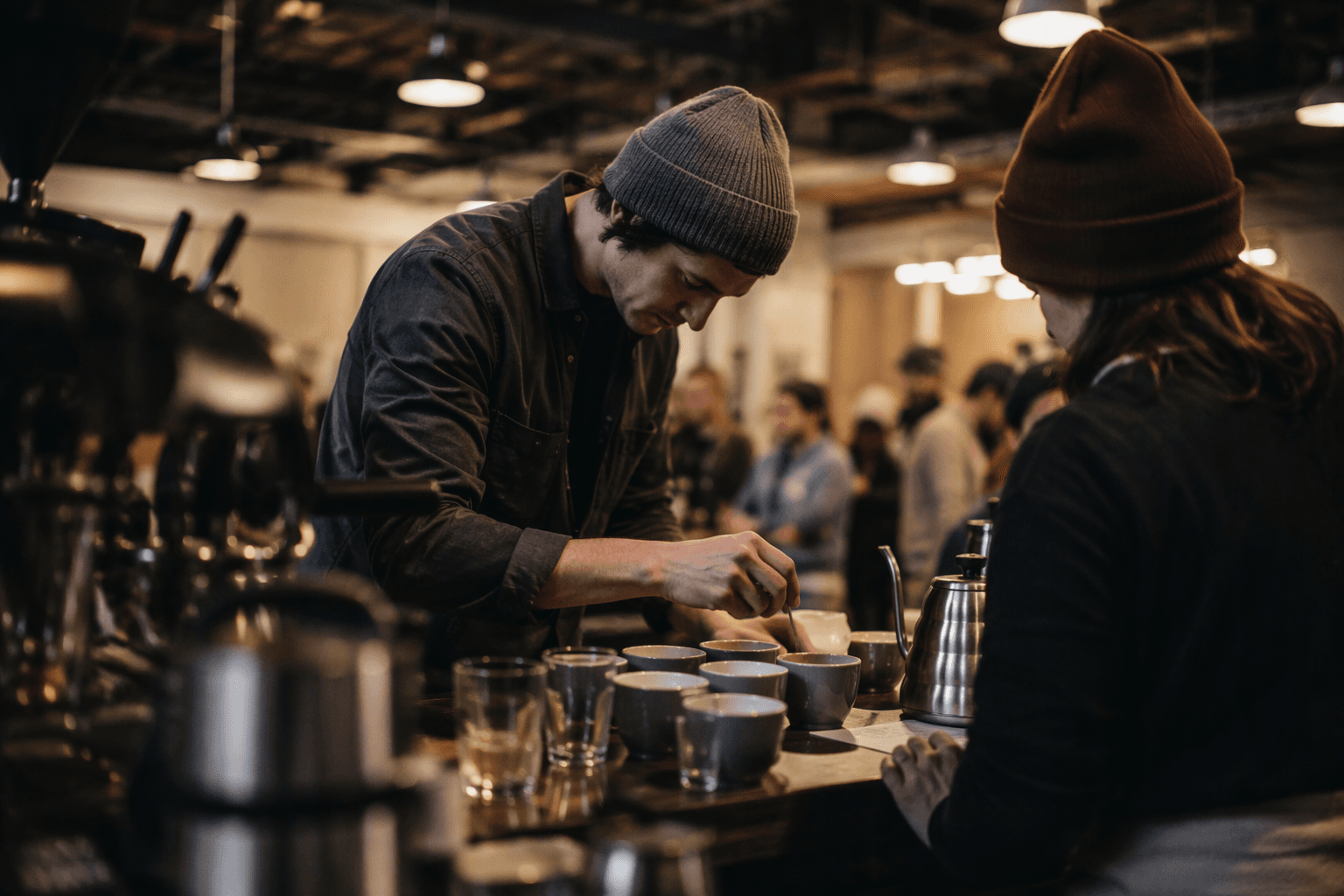
Sydney cafés embrace house roasting as the new defining trend
House roasting is moving from back room to shopfront in Sydney, changing what regulars taste, pay for and discuss at the counter.
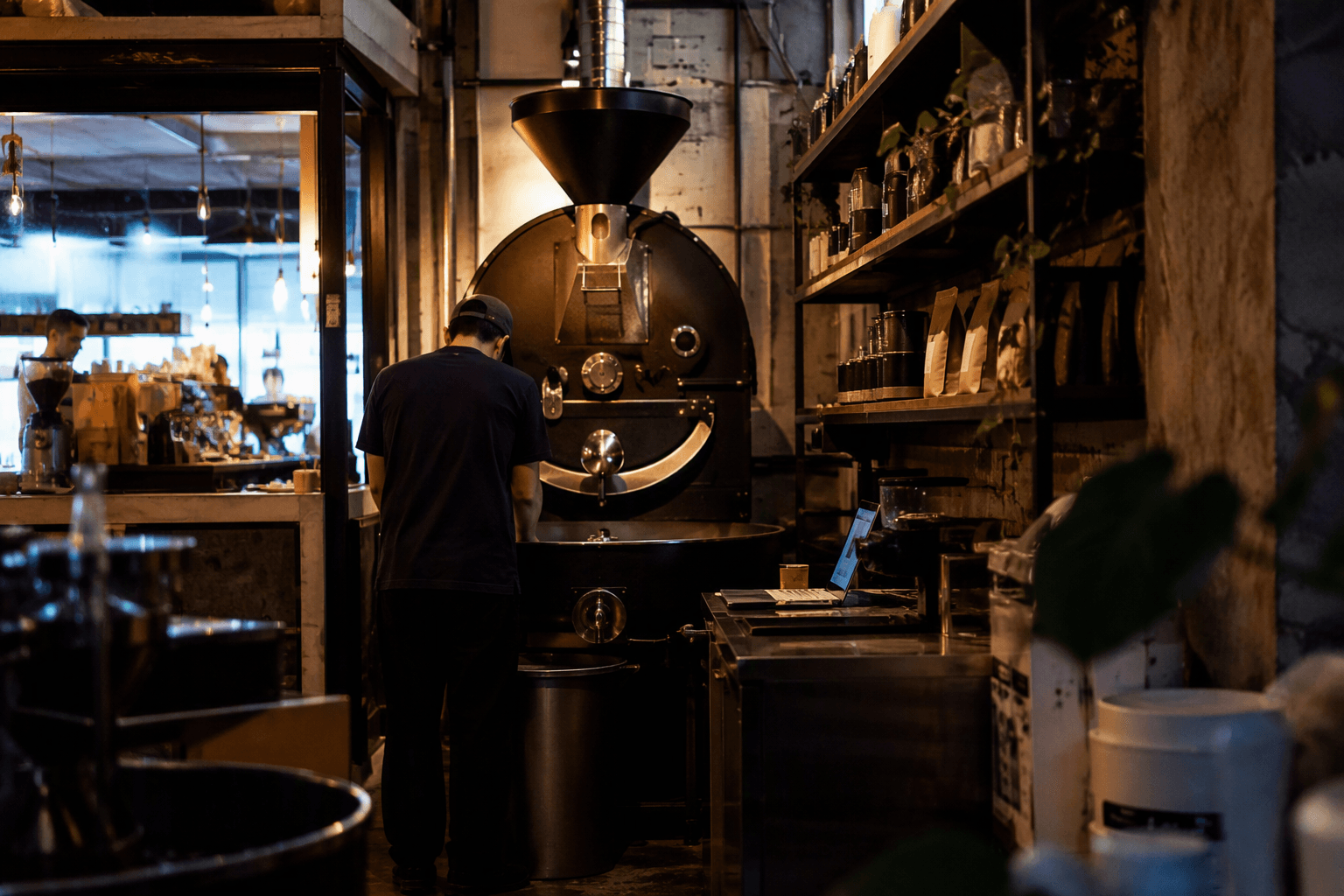
In Sydney, the machine, the roast profile and the origin story are no longer hidden behind the grinder; they are part of what is sold with the flat white. Good Food called 2026 the year of the roastery-café, comparing the idea to avocado on toast as it moved into mainstream café language.
What house roasting changes at the counter
The biggest shift is not just fresher beans, it is a different conversation. A café that roasts in-house can point to the green coffee it selected, the roast development behind the blend, and the people handling the process on site, which makes origin and processing easier to discuss in real time. Instead of buying finished beans from a wholesaler and serving them under a generic house label, the café can show how the coffee got to the cup.
That changes the sensory experience too. Customers can smell the roast, watch the equipment at work, and ask why one batch drinks brighter while another leans deeper and sweeter. In a standard specialty shop, the focus is usually extraction, milk texture and consistency; in a roastery-café, the roast itself becomes part of the product story.
Why operators are leaning into roasting
The Australian Restaurant & Cafe Association put the average café profit margin in 2025 at 3.3%. Australia had 28,154 cafés and coffee shops, $15.9 billion in revenue across 2021-2026, and an estimated 2.6% profit margin for the sector, which helps explain why operators are looking for ways to capture more value.
House roasting gives cafés more control over that value chain. They can tailor blends, adjust profiles faster, and hold consistency more tightly than a venue that depends entirely on outside supply. It can also support wholesale sales and retail bean sales, so a café is not only earning from the counter but also from the bags on the shelf and the customers who come back for the same roast.
Australia’s specialty coffee market was estimated at USD 2.58 billion and growing at 5.55% a year, which helps explain the appetite for more detailed coffee propositions.
Sydney’s roastery-café map
Sydney already has a deep bench of cafés that roast their own coffee or are built around the roastery format. Coffee Alchemy in Marrickville has long been treated as a pioneer of in-house roasting. Toby’s Estate, The Grounds Coffee Factory in South Eveleigh, Single O, Campos, Mecca Coffee, Reuben Hills, Five Senses, Normcore Coffee Roasters and The Coffee Roaster Sydney also roast their own coffee or are built around the roastery format.
The city’s specialty scene also remains broad enough to support both models. Standard specialty cafés still buy from established roasters and concentrate on brew quality, hospitality and consistency, while roastery-cafés add production to the front-of-house identity. Sydney placed four venues in the World’s 100 Best Coffee Shops for 2026, and Good Food named 20 cafés that “prove Sydney’s coffee is easily among the best in the world.”
Quality upgrade, branding play, or both
It is both. House roasting can improve quality when the café has the skill to control development, keep green coffee moving, and match roast style to service style. It can also be a branding move, because the visibility of the roaster and the language around traceability are powerful signals in a city where customers already care about origin, freshness and craft.
That appetite was already visible in January 2023 in The Sydney Morning Herald’s “Bespoke roasts and traceable milk: How Australia’s coffee habit is changing.” Kieran Spiteri, co-owner of Terror Twilight, said people will “wait in line for 10 minutes, or travel across suburbs, if it means they get coffee with variety, uniqueness and authenticity.”
This article was produced by Prism’s automated news system from verified source data, official records, and press releases, then run through automated quality and moderation checks before publishing. The system is built and supervised by the people who set the standards it runs under. Read our full AI policy.
Did this article answer your question?