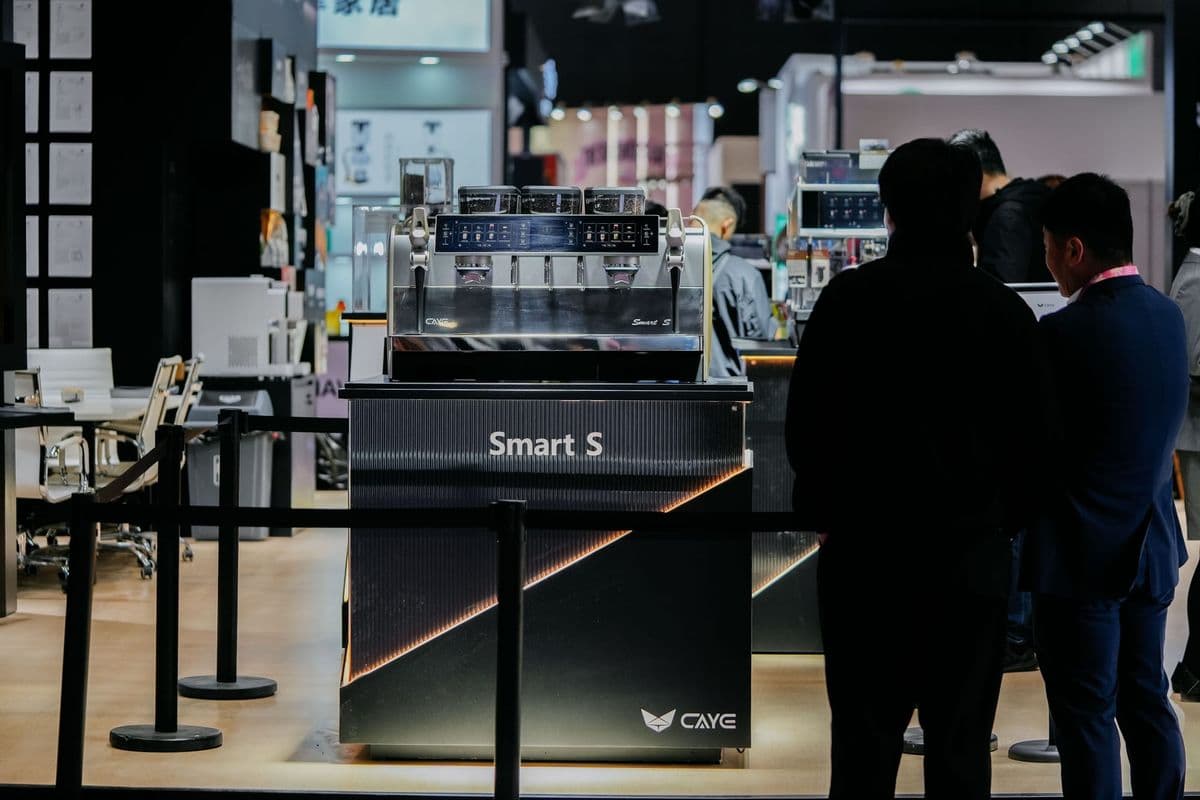
January CPI: Coffee Prices Surge 18.3% Year‑Over‑Year, Consumers Shift Habits
U.S. coffee prices jumped 18.3% year-over-year in January 2026, with median hot coffee at $3.61 and some consumers, like 35-year-old Chandra Donelson, quitting daily coffee.
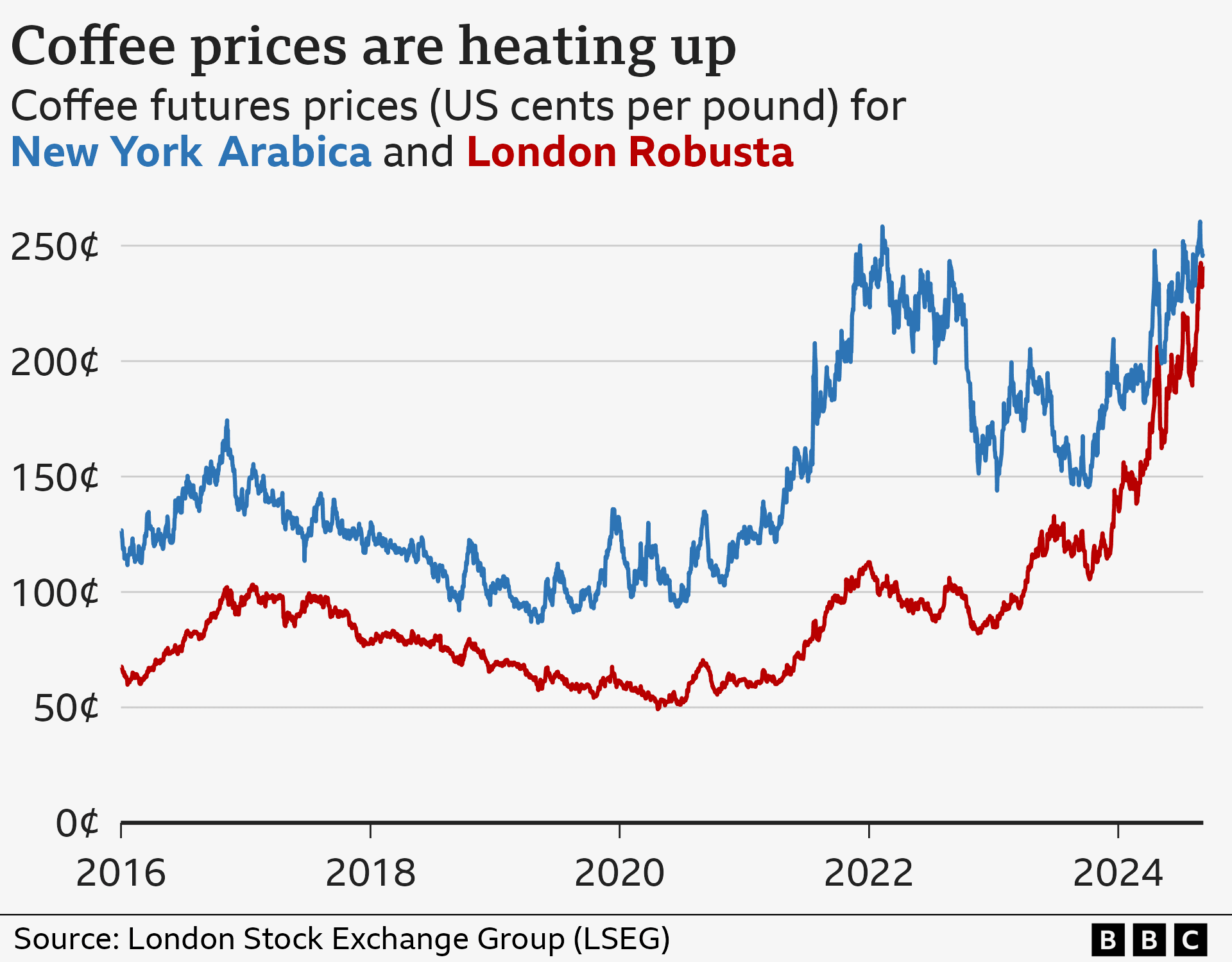
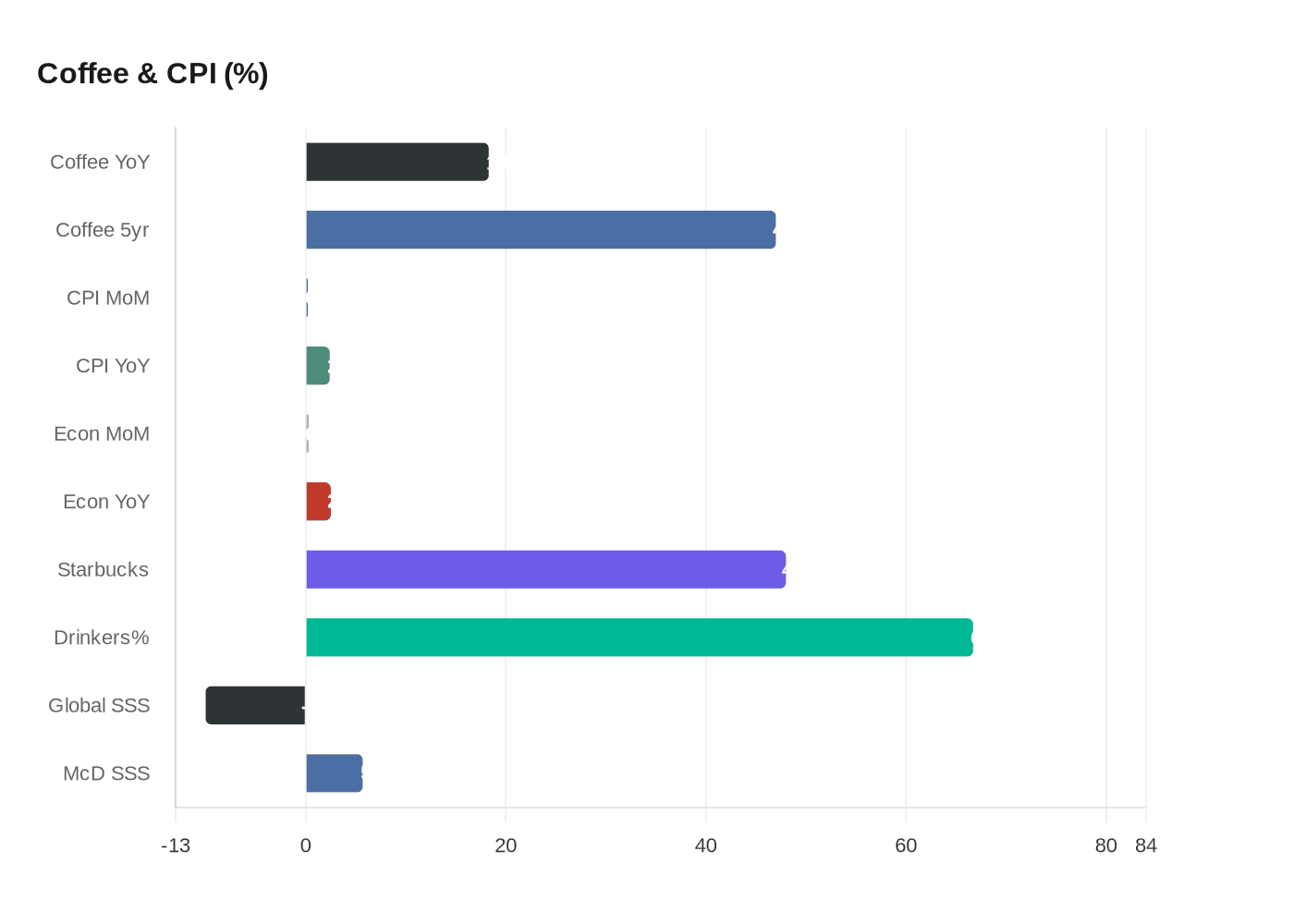
U.S. coffee prices surged 18.3% year-over-year in January 2026, pushing the median price of a regular hot coffee to $3.61 and the median cold brew to $5.55 in December data from Toast, a payments platform used by more than 150,000 restaurants. Years of price gains also show up in a five-year government figure: coffee prices are up 47% over that span.
The Bureau of Labor Statistics released the January 2026 Consumer Price Index on February 13, 2026, with headline CPI rising 0.2% from December and 2.4% from a year earlier, slightly softer than the Bloomberg-surveyed economists’ 0.3% and 2.5% expectations. Bernard Yaros, lead economist at Oxford Economics, said, "Headline CPI inflation was a touch softer than expected in January, delivering a welcome surprise to the downside at the beginning of the year." He added that prior January upside surprises linked to seasonality and delayed pandemic-era price adjustments were not on display this time around.
Supply pressure on coffee is traced to weather and trade. Food-manufacturing notes point out that virtually all coffee consumed in the U.S. is imported, and crop yields were hit by drought in Vietnam, heavy rain in Indonesia, and hot, dry weather in Brazil, which pushed global prices higher. Tariff dynamics are mixed in the reporting: one note says tariffs affected some coffee imports in 2025 but were ultimately removed, while an analysis from Ainvest projects "$1,300 household tariff costs by 2026 and entrenched home-brewing habits pose long-term risks to premium coffee chains' competitiveness."
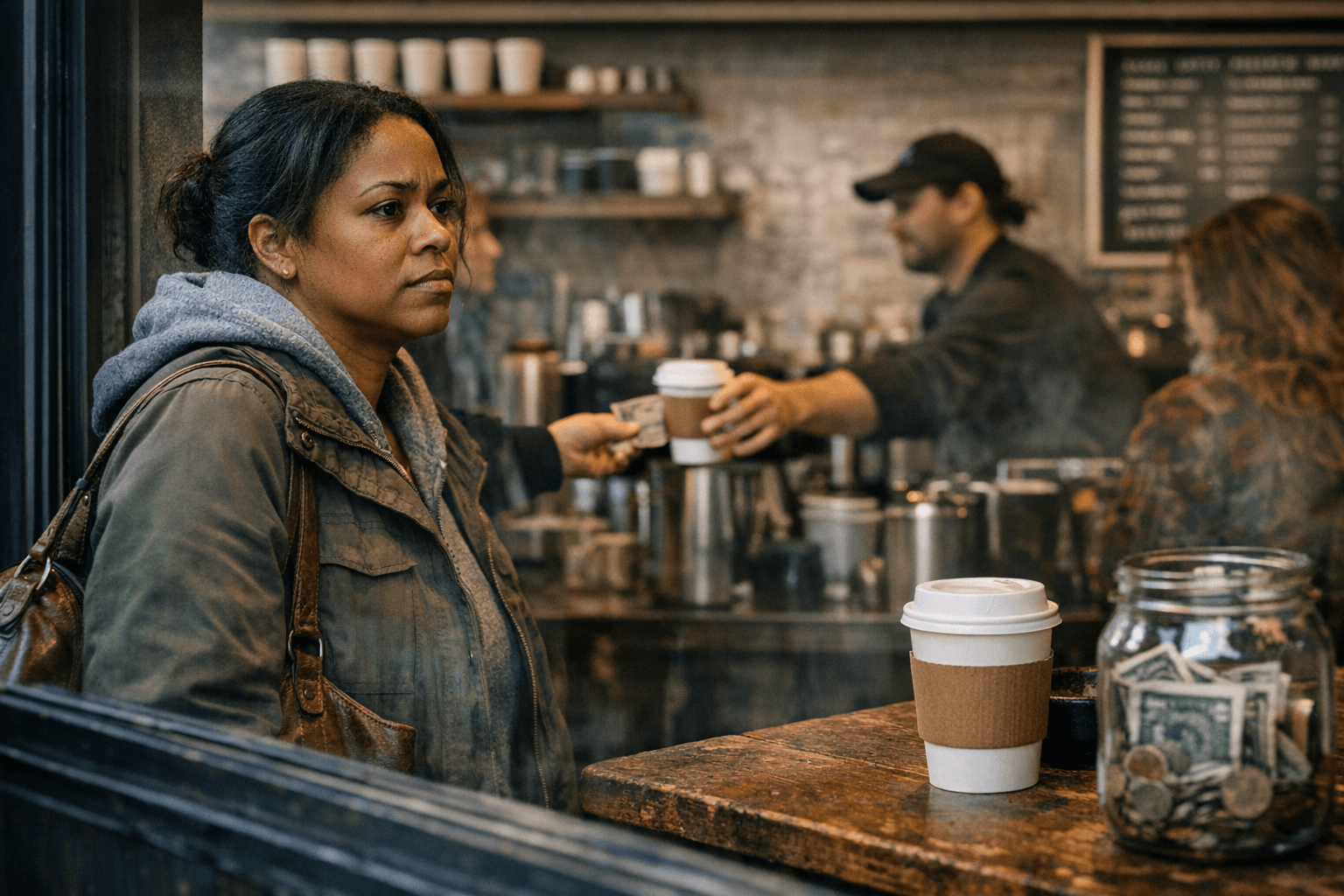
Consumers are already changing routines. "For Chandra Donelson, a 35-year-old from Washington, D.C., the math became impossible. After years of a daily McDonald's ritual, she gave up coffee entirely, citing the strain of rising costs," Ainvest reported. FoodManufacturing captured another firsthand shift from Liz Sweeney, 50, of Boise, Idaho: "Before, I thought, 'There's no way I could make it through my day without coffee,'" and "Now my car's not on automatic pilot." The National Coffee Association statistic that two-thirds of Americans drink coffee daily underlines the scale of potential behavior change.
Retail and chain dynamics are shifting alongside household choices. Ainvest asserted that "Starbucks' market share dropped to 48% in 2024-2025 as consumers shifted to cheaper alternatives like Dunkin' and drive-thru chains like Dutch BrosBROS ." FoodManufacturing included a broader sales signal: "Global same-store sales fell 10% in the final quarter of 2025," while a nearby headline noted McDonald's global same-store sales jumped 5.7% in that quarter.
What to watch next: Ainvest advises tracking the flow of prices in the February CPI due in early March to see whether the coffee spike stabilizes or accelerates; a sustained climb would likely sustain consumer pullback and pressure premium chains that have already seen market-share shifts and rising at-the-register prices.
This article was produced by Prism’s automated news system from verified source data, official records, and press releases, then run through automated quality and moderation checks before publishing. The system is built and supervised by the people who set the standards it runs under. Read our full AI policy.
Did this article answer your question?