Keurig Dr Pepper recalls McCafé Decaf K-Cups after caffeinated pods discovered
Keurig Dr Pepper recalled McCafé Premium Roast Decaf K-Cup pods after finding some cartons labeled decaf contained fully caffeinated pods, affecting about 80,640 pods sold via Amazon.
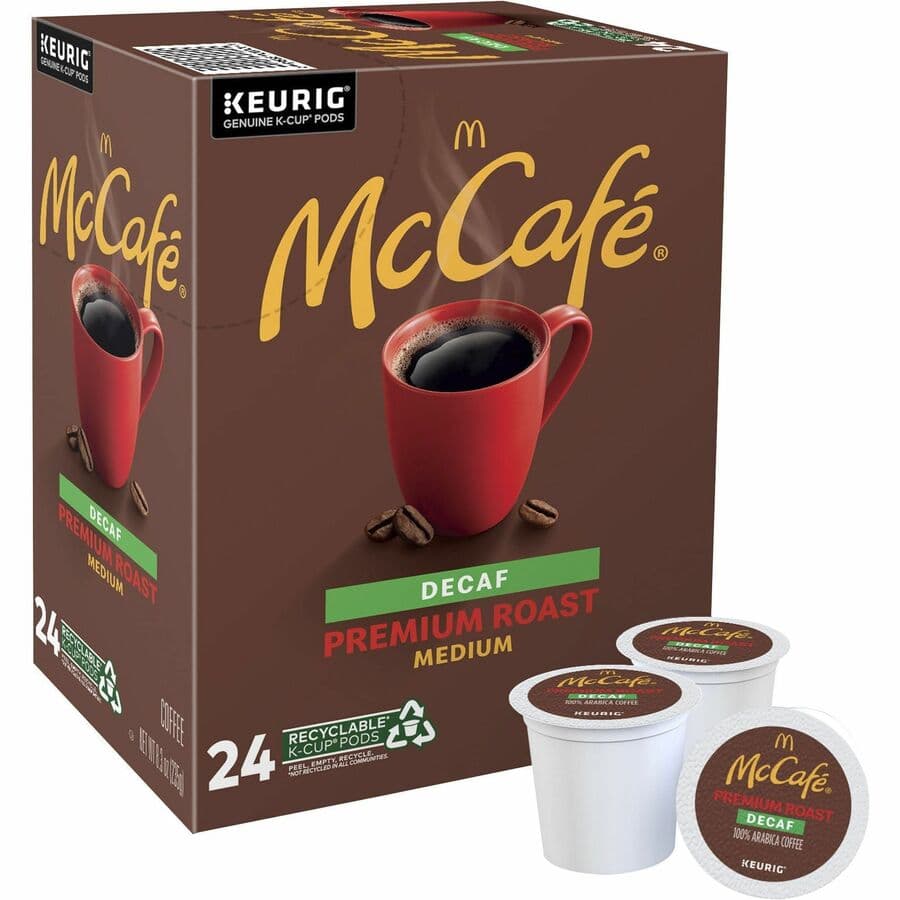
Keurig Dr Pepper issued a voluntary recall after discovering that some cartons of McCafé Premium Roast Decaf K-Cup pods labeled as decaf may contain fully caffeinated pods. The company identified approximately 960 cartons, each an 84-count pack, totaling about 80,640 individual pods. The recall was announced on January 27, 2026 and affects products sold via Amazon.
The mix-up matters for anyone who chooses decaf to manage caffeine intake. People who avoid caffeine for medical reasons, pregnancy, sleep disorders, or sensitivity could unintentionally consume a full dose of caffeine. For the home-brewing community, weekend decaf rituals and late-night brews could deliver an unexpected jolt that disrupts sleep or medication schedules.
Details on specific lot codes, UPCs, or manufacturing runs were not included in the initial notice available to the community. The recalled item is identified as McCafé Premium Roast Decaf K-Cup pods in 84-count cartons. Customers who bought decaf k-cup cartons from Amazon between recent purchase windows should check their orders and pantry stock for mismatched labeling or unexpected flavor and strength. Brewing one pod and tasting a markedly stronger, more bitter cup than expected is a practical clue that a pod may be caffeinated.

The immediate practical steps are straightforward. Stop using any McCafé Premium Roast Decaf 84-count cartons until you can confirm the contents. Review your Amazon purchase history and product packing, and isolate any unopened cartons. If you already brewed a cup that felt unusually strong, consider the timing and impact of the inadvertent caffeine on sleep or medication and act accordingly - for example, avoid additional caffeinated drinks and monitor symptoms. For households with children, pregnant people, or anyone on stimulant-sensitive medications, take extra care to keep potentially affected pods out of reach.
The recall highlights a quality-control gap that can ripple through a community that relies on clear labeling and predictable cup-to-cup results. Single-serve pod formats promise consistency and convenience, and when packaging errors occur the effects are personal and immediate.

What comes next for readers: check your pantry and Amazon orders promptly, stop using suspect cartons, and watch for follow-up notices from Keurig Dr Pepper or Amazon about returns, refunds, or replacement procedures. Expect more detailed recall information to follow as the company completes its internal review and notifies affected customers.
This article was produced by Prism’s automated news system from verified source data, official records, and press releases, then run through automated quality and moderation checks before publishing. The system is built and supervised by the people who set the standards it runs under. Read our full AI policy.
Did this article answer your question?