Krispy Kreme enters Netherlands with first of 30 planned stores
Krispy Kreme picked the Netherlands for a 30-store push, using a single opening to test how far its coffee-and-doughnut model can travel in Europe.
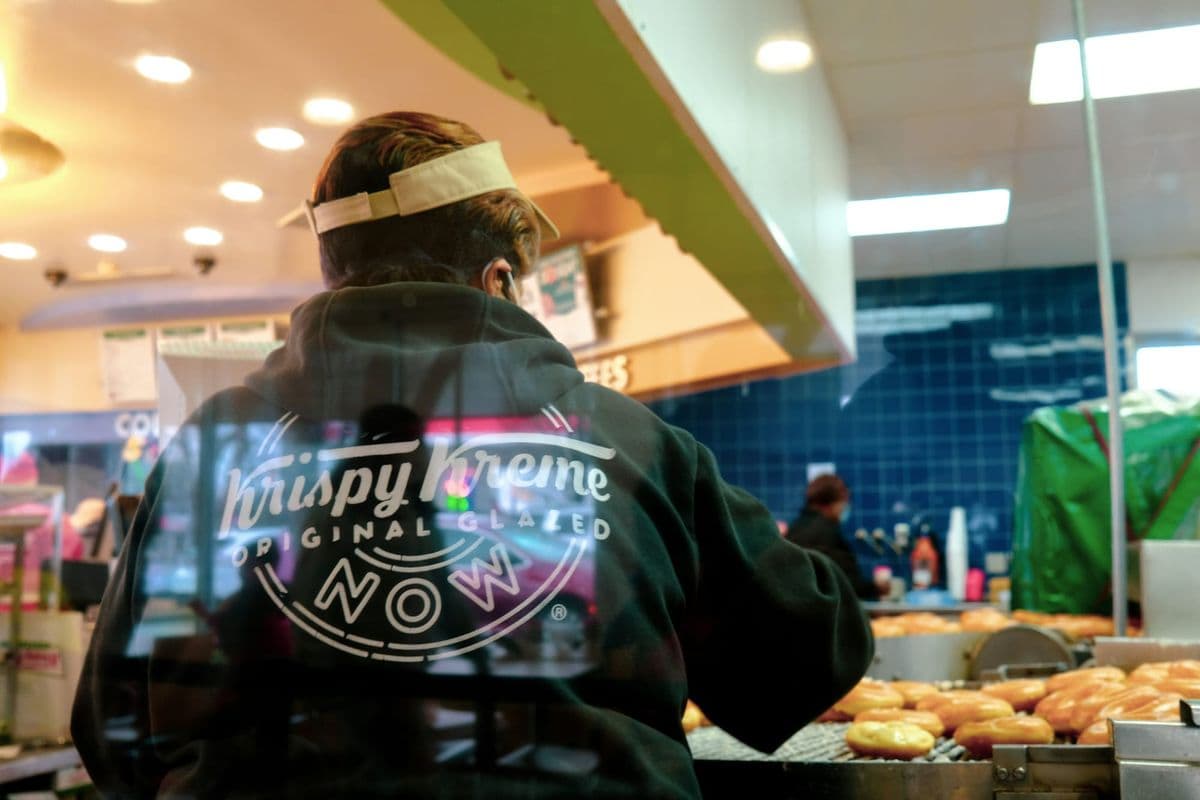
Krispy Kreme has chosen the Netherlands as the next stop in its European expansion, signing a franchise agreement that puts a first shop on track for late 2026 and calls for about 30 locations over the next five years. The move gives the Charlotte, North Carolina-based chain a seventh European market and a fresh test of how far a coffee-led doughnut brand can scale through local partners.
The Dutch rollout is being handled with Jafa Holding BV, and entrepreneur Roberto Fava has been identified as the operator behind the deal. Fava already knows the market, having previously managed Dunkin’ operations in the Netherlands, which gives Krispy Kreme a local franchise lead with direct experience in the country’s coffee-and-bakery scene.
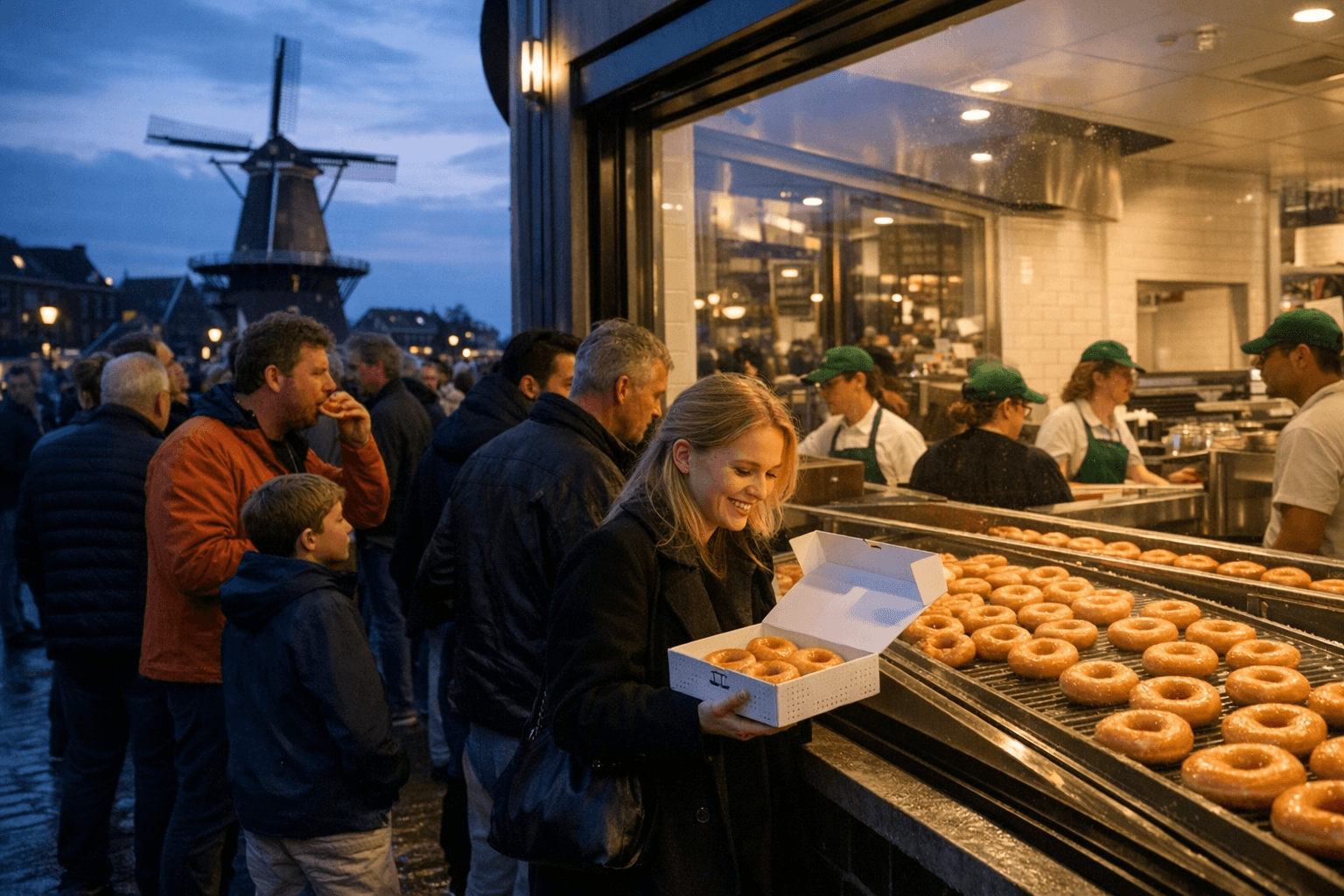
Krispy Kreme said the first Dutch location will use its Hot Light Theater Shop format, a setup that is meant to do more than sell boxes for takeaway. It will serve as both a retail store and a production hub for future expansion, a sign that the company is betting on theater, freshness and visibility as much as espresso and pastry traffic. In a market where daily coffee runs are crowded with local cafés and established chains, that format is designed to make the brand feel like an event, not just another counter service stop.
The scale matters. Krispy Kreme has described its expansion model as capital-light, and company materials say it operates in more than 35 countries with more than 14,000 fresh points of access. Later company releases put the figure at more than 40 countries. The company has also said it wants to open three to four new international markets in 2026 and add at least 100 shops globally, underscoring how central overseas growth has become to the business.
The Netherlands entry also fits Krispy Kreme’s broader refranchising push. In March 2026, the company said it was advancing a refranchising strategy aimed at sustainable, profitable growth and lower leverage, including a separate transaction with WKS Restaurant Group in the United States. That backdrop helps explain why the company is leaning on partners abroad rather than funding every location itself.
For the coffee business, the Dutch deal is a clean signal: Krispy Kreme still sees room for physical stores to drive beverage sales, impulse visits and brand reach, even in a region where at-home coffee and mobile ordering already shape much of the daypart. If the first 30 stores land, the Netherlands could become a template for how branded coffee-and-doughnut concepts keep expanding across Europe.
Know something we missed? Have a correction or additional information?
Submit a Tip