National Coffee Association explains what coffee really is
Coffee starts as a seed inside a cherry, then becomes a crop, a traded commodity, and a ritual. Origin, processing, roast, and brew change what lands in the cup.
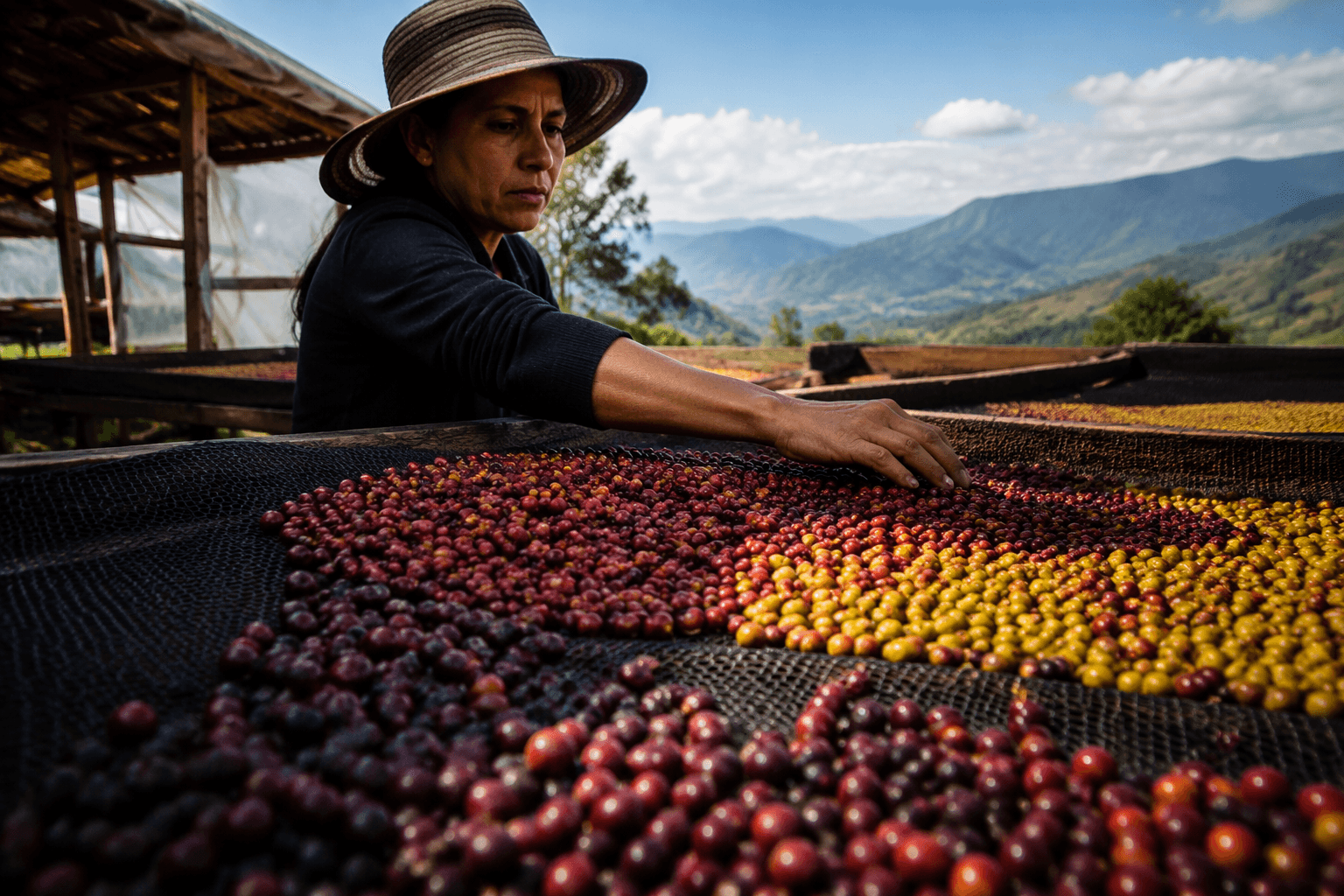
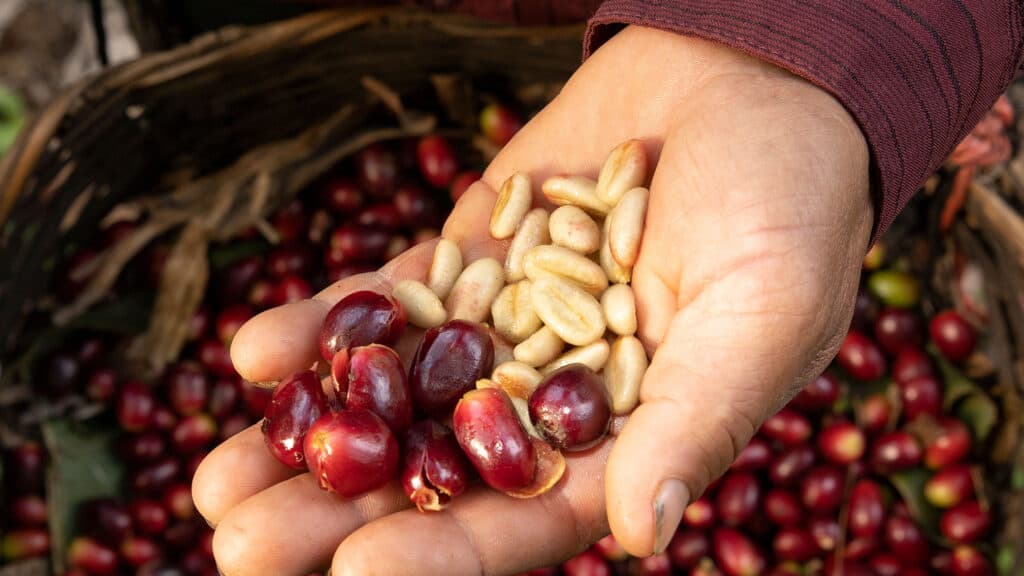
Coffee makes more sense the moment you stop thinking of it as a drink and start thinking of it as a chain. The National Coffee Association’s explainer begins with the part most people never see: coffee beans are actually seeds inside coffee cherries, the fruit of the coffee tree. Once those seeds are dried, roasted, ground, and brewed, they become everything from a home drip cup to the espresso in a packed cafe.
What coffee really is
That simple definition changes how you read a bag label or a cafe menu. Coffee is a plant before it is a roast, a seed before it is a beverage, and an agricultural product before it becomes a ritual. The Coffee Association’s framing makes room for all of those meanings at once, which is why origin, processing, roast, and brewing matter so much to flavor and texture.
It also clears up one of coffee’s oldest misunderstandings: coffee beans are not botanical beans. They are seeds, and they come from fruit grown in more than 40 countries around the world. When coffee people talk about a washed Ethiopian lot, a natural process Brazil, or a decaf house blend, they are really talking about how a seed from a cherry moved through climate, labor, and post-harvest handling before it ever reached a grinder.
Why origin changes the cup
Coffee grows mostly in a narrow climatic zone along the Equator between the Tropics of Cancer and Capricorn, roughly 25°N to 30°S. The National Coffee Association points to rich soil, mild temperatures, and regular seasonal rainfall as the conditions that make that belt work, which is why coffee production concentrates where it does and not just anywhere a farm can be planted.
That geography is not trivia for flavor hunters. It explains why origin matters, why altitude gets discussed in tasting notes, and why growers and roasters pay so much attention to cultivar and post-harvest handling. Coffee’s two main cultivated species, Arabica and Robusta, respond differently to growing conditions, and those differences show up in the cup as body, acidity, sweetness, and bitterness. When you order a light roast and taste fruit, or a dark roast and taste cocoa or smoke, you are tasting the result of climate, species, harvest, drying, roasting, grinding, and brewing layered together.
From farm to market
Coffee is also one of the world’s most watched commodities. The International Coffee Organization launched its World Coffee Statistics Database on 31 January 2022, and the archive runs in monthly format back to October 1963. That kind of long view tells you how central coffee is to trade, prices, production, consumption, and inventory tracking across the industry.
The same organization says coffee provides income for around 12.5 million farming families worldwide. That number is a reminder that every cafe ritual starts with labor on farms, often in places where a single season’s weather can shape both livelihood and supply. In its December 2023 Coffee Report and Outlook, the ICO said world coffee production increased by 0.1% to 168.2 million bags in coffee year 2022/23, even as Asia & Oceania production fell 4.7% and Africa’s fell 7.2%. The report linked those declines in part to adverse weather affecting producers such as Vietnam, Côte d’Ivoire, and Uganda.
Why the history still sticks
Coffee’s origin story is part legend, part trade history, and part cultural memory. The National Coffee Association calls the history of coffee a “delicious mystery,” and places one famous legend of coffee innovation on the Ethiopian Plateau in the 9th century. Britannica also roots coffee in Ethiopia before tracing its spread through Arabia and beyond, which is the broad arc most coffee people learn early: a regional plant becomes a global habit.
That spread did more than move seeds and sacks. It carried a way of social life with it, and nowhere is that clearer than in the coffeehouse. NOAA Climate.gov notes that 17th-century London coffeehouses were places where people could drink a stimulating beverage, hear the latest news, and debate ideas. Coffee also offered a non-alcoholic alternative at a time when water was often unsafe to drink, which helps explain why the drink took on a public, civic role alongside its agricultural one.
How to read coffee like a regular
Once you understand what coffee is, the language around it gets sharper. A bag’s origin is not just a marketing word, it is the starting point for climate, species, and post-harvest practice. Roast level is not just color, it is the record of how much of the seed’s original character was carried forward or transformed by heat. Brewing method is not a side note, because the same coffee can feel bright, heavy, sparkling, or subdued depending on how water moved through it.
- Origin tells you where the seed was grown and what climate shaped it.
- Arabica and Robusta tell you something about the plant itself.
- Roast level tells you how heat changed the seed.
- Brewing method tells you how those roasted grounds were extracted into the cup.
- Cafe ritual tells you why the drink keeps living beyond the farm and the roaster.
A useful coffee vocabulary begins here:
That is the real value of the National Coffee Association’s explainer. It does not treat coffee as a single object, because coffee is not a single object. It is a seed inside a cherry, a crop grown across the coffee belt, a commodity tracked in decades of statistics, and a social ritual that still carries the echo of London coffeehouses and the long road from the Ethiopian Plateau. When you know that, every cup starts telling you more.
This article was produced by Prism’s automated news system from verified source data, official records, and press releases, then run through automated quality and moderation checks before publishing. The system is built and supervised by the people who set the standards it runs under. Read our full AI policy.
Did this article answer your question?