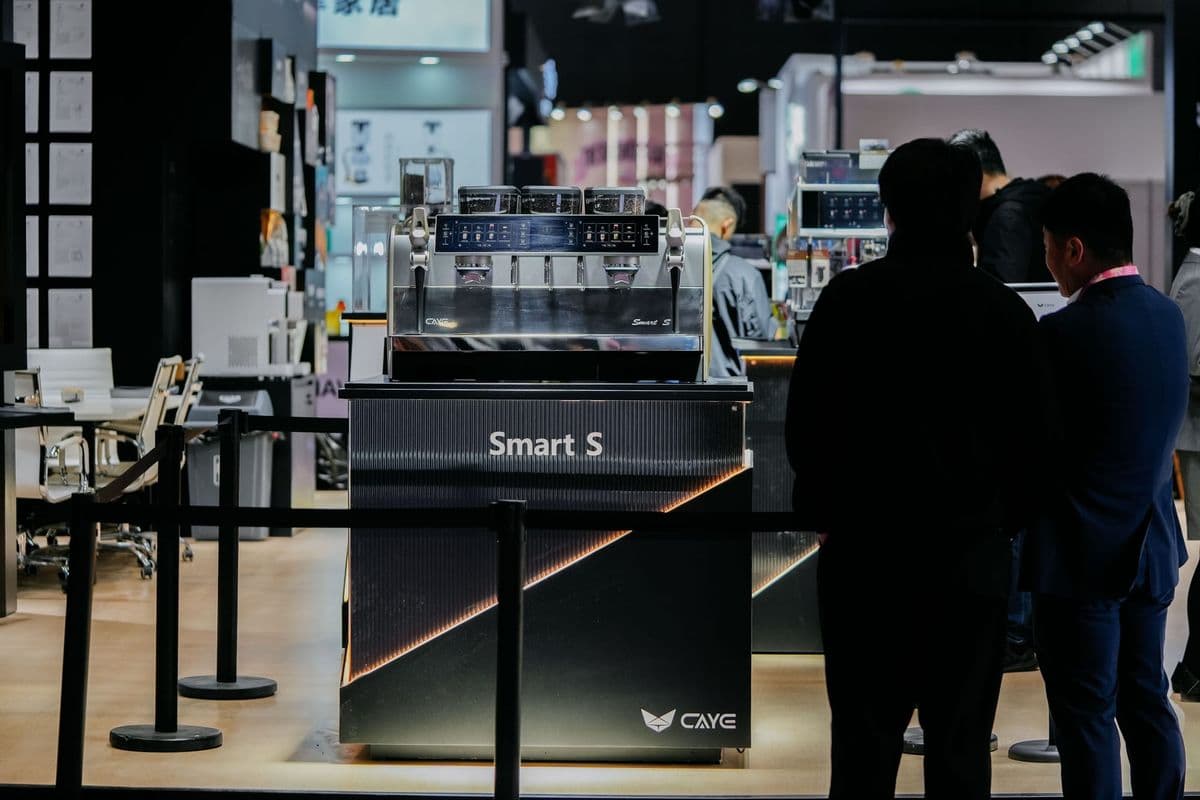
Nestlé Launches Energy-Saving Bean-to-Cup Machine for Singapore Foodservice Operators
Nestlé Professional Singapore's NESCAFÉ Fusion 3 promises 60% standby energy savings, but its hybrid bean-plus-soluble design is the trade-off operators need to scrutinize.

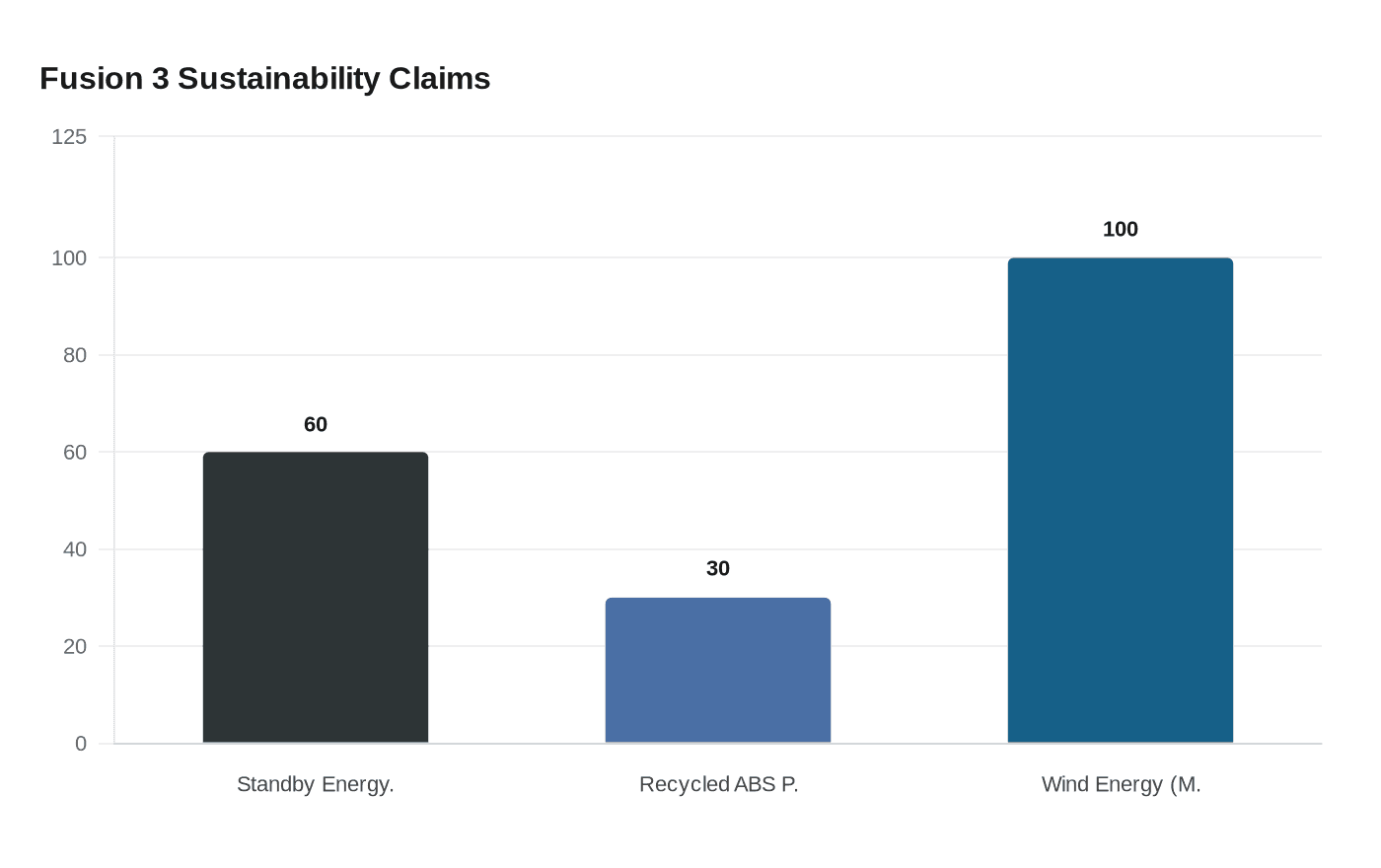
When Nestlé Professional Singapore unveiled the NESCAFÉ Fusion 3 on March 30, the headline number was hard to ignore: up to 60% lower energy consumption in standby mode compared with previous-generation commercial machines. For hotel F&B managers and café operators already absorbing Singapore's rising electricity costs, that figure lands with real weight.
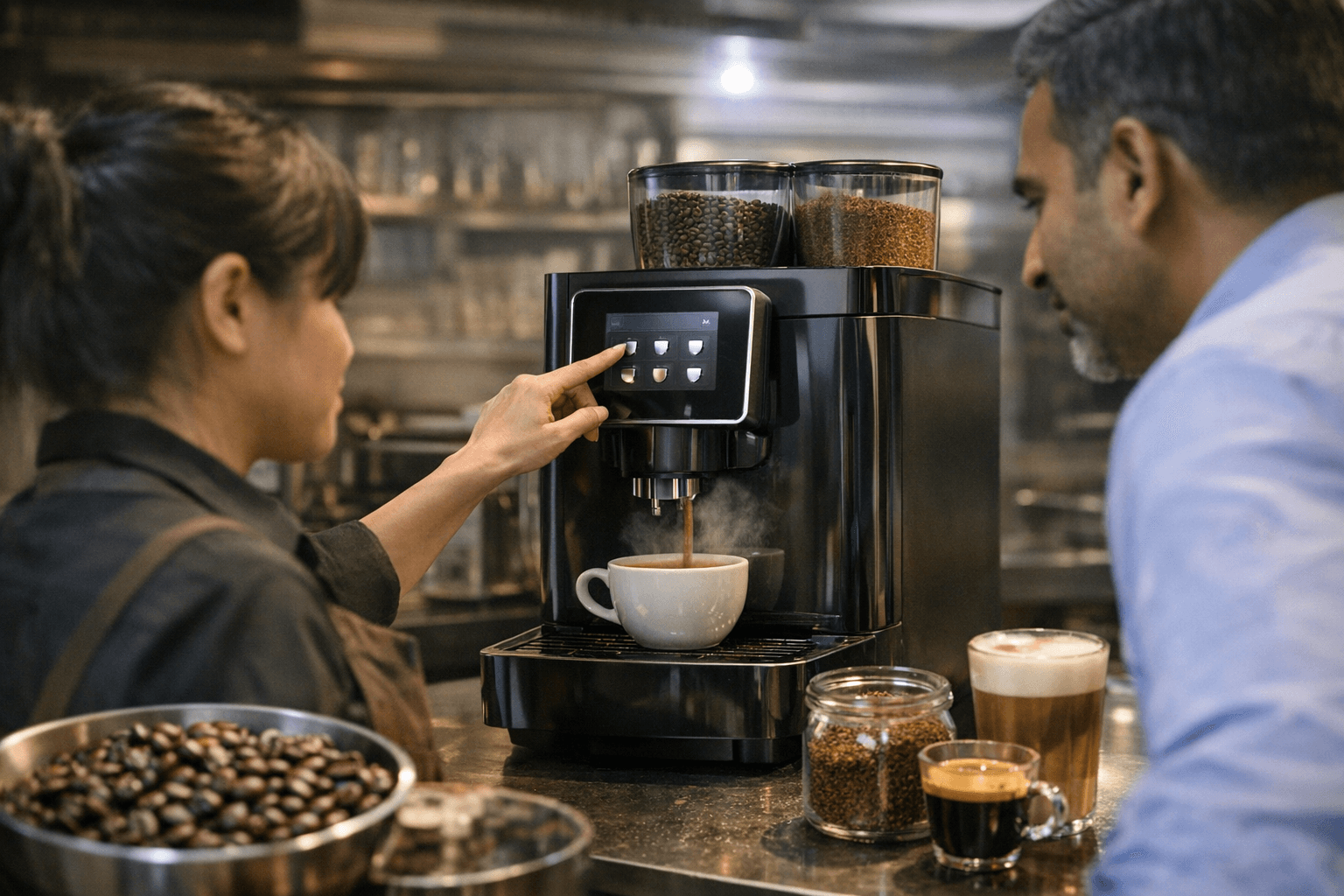
The machine is marketed as a bean-to-cup system, but its architecture deserves a closer look. Fusion 3 combines whole roasted coffee beans with premium soluble ingredients in a single countertop unit, a hybrid approach that widens the beverage menu but departs from the pure-grind-extract chain that specialty coffee operators associate with peak freshness. Competitors such as the WMF 5000S+ and Jura GIGA X commercial series process exclusively through a grinder-to-group-head pathway; Nestlé's model extends range by blending in soluble formats, which broadens what the machine can serve under pressure but adds a legitimate question about what ends up in the cup.
On sustainability, the pitch layers up quickly. Nestlé states the Fusion 3 is manufactured in factories running on 100% wind energy and built from up to 30% recycled ABS plastic. The paired coffee offering, NESCAFÉ Superiore, is a 100% Arabica blend sourced from Rainforest Alliance-certified farms in Brazil and Colombia. Taimur Toor, Business Manager at Nestlé Professional Singapore, framed the combined package as more than a hardware upgrade: "It demonstrates how regenerative agriculture, responsible sourcing and energy-efficient design can work together to create measurable impact."
The timing is deliberate. Singapore's hospitality sector is working through the Singapore Hotel Sustainability Roadmap, and operators face real ESG reporting obligations alongside operational cost pressure. A machine that arrives with verified sourcing credentials, a recycled-materials claim and a quantified energy number checks several compliance boxes simultaneously.
What operators should interrogate before signing on: first, what is the specific baseline for that 60% standby comparison? Nestlé references "previous models" without specifying a wattage delta. Commercial bean-to-cup machines typically draw between 1,350 and 1,500 watts in active use, with standby loads varying widely depending on boiler insulation and sleep-mode programming. A 60% reduction off a high baseline means something very different from the same percentage off a machine already optimized for idle efficiency. Second, the hybrid architecture raises a critical menu question: which beverages are coming from the whole-bean grind cycle, and which are leaning on the soluble component? Third, cleaning cycle requirements and service intervals relative to commercial alternatives from WMF or Melitta will determine true total cost of ownership, well beyond the energy headline.
The business model underneath Fusion 3 is also worth reading carefully. Nestlé ties the machine to its branded NESCAFÉ Superiore bean format and lifecycle services, a pattern across the industry where proprietary coffee formats and recurring supply contracts become the revenue engine long after the hardware sale. That integration can be a genuine operational convenience; it also narrows sourcing flexibility if procurement priorities shift.
Singapore is the initial rollout market, with no announced timeline for other regions.
This article was produced by Prism’s automated news system from verified source data, official records, and press releases, then run through automated quality and moderation checks before publishing. The system is built and supervised by the people who set the standards it runs under. Read our full AI policy.
Did this article answer your question?