New review maps the factors that shape coffee quality from bean to cup
A new review strips coffee quality down to the levers that matter most: genetics, altitude and shade, plus postharvest handling that can make or break the cup.
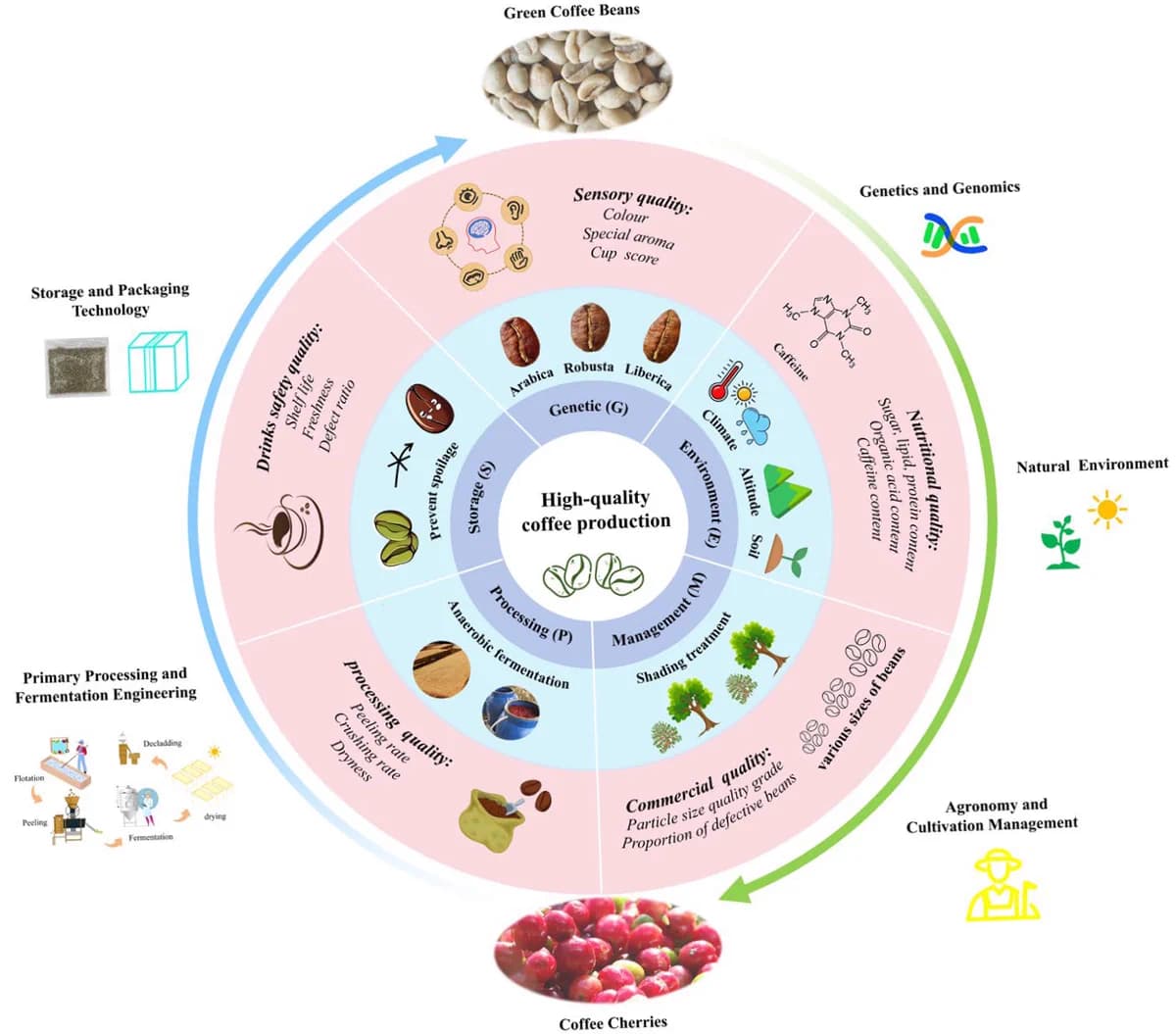
The latest map of coffee quality does not treat flavor as a mystery of origin alone. The review, “From Germplasm to Cup: A Comprehensive Review of the Genetic, Environmental, and Postharvest Determinants of Coffee Quality and Their Interactions,” pulls the chain apart from the plant’s genetic starting point to the way beans are handled after harvest. For anyone buying, roasting, or sourcing coffee, the practical message is clear: variety sets the baseline, terroir shapes how that potential develops, and postharvest choices decide how much of it survives into the cup.
The genetic starting point is the first quality filter
The review places germplasm, the genetic material behind a coffee plant, at the front of the quality conversation. That matters because genetics establish what the plant can produce before altitude, shade, or processing enter the picture. In other words, two coffees grown in similar conditions can still behave differently if their genetic makeup differs.
For the coffee market, that is a reminder that origin alone is not enough information. Variety and lineage are part of the quality story, especially in premium lots where buyers are chasing repeatable cup performance, not just a famous name on a bag. The review’s central framework is useful because it treats genetics as one factor among several, rather than as a single answer to what makes coffee good.
Terroir is more specific than country name
The strongest environmental signal in the research is altitude. A 2025 MDPI Sustainability article says altitude and slope are critical determinants of coffee cultivation and quality, with optimal Arabica production occurring at elevations of 1000 to 1600 meters. That gives buyers and producers a concrete band to pay attention to, not just a vague sense that “higher is better.”
A 2022 MDPI study adds another layer by showing that Arabica coffee’s physical and sensory quality changes with altitude and incident solar radiation. That means elevation by itself is not the whole story. How much direct sun the coffee receives also shows up in grading and in the cup, which is why shade management matters so much in quality-focused sourcing.
The practical takeaway is simple: ask for elevation, slope, and shade information, not only farm or region names. Those are the site details that help explain why one lot may taste brighter, denser, or cleaner than another from the same country.
Shade and sunlight are part of the quality equation
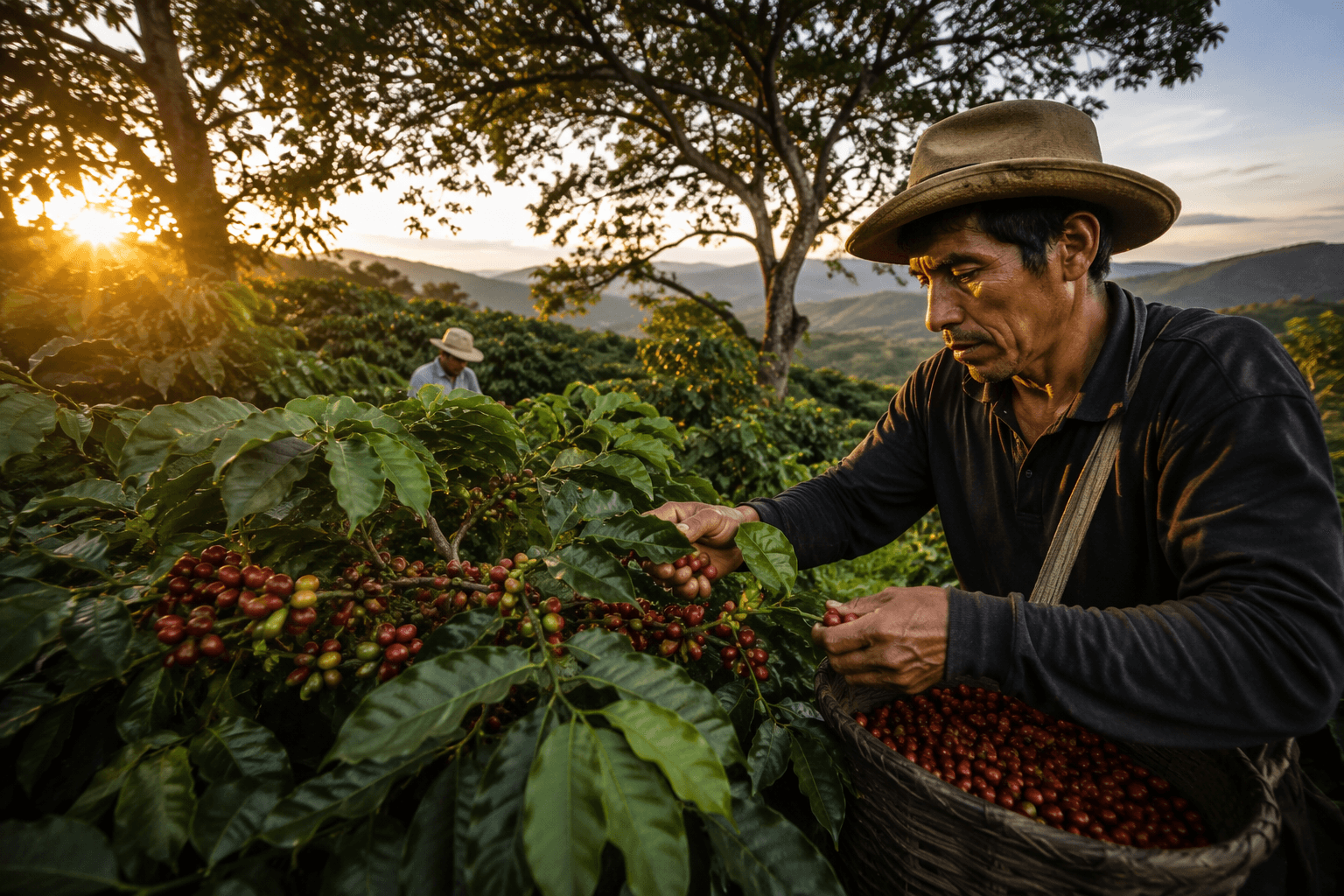
A PubMed-indexed study on green Arabica beans goes one step further by noting that altitude-related quality can also be affected by shade and postharvest processing method. That is a useful reminder that terroir is not just the land under the trees. The tree canopy above them matters too.
Shade changes the way cherries develop, and the research makes clear that those conditions interact with processing after harvest. For sourcing, that means a lot sheet that includes only elevation is incomplete. The more useful profile includes canopy cover, sun exposure, and whether the lot came from a shaded system or a more open one.
Postharvest is where the biggest swing can happen
A 2025 MDPI Foods review says postharvest processing is widely recognized as a key factor influencing coffee quality because it is inherently multifactorial. That is the most actionable part of the whole picture for many coffee professionals, because it points to a long chain of decisions after picking, not a single make-or-break step.
The Agriculture review treats postharvest handling as part of the quality system, not a separate afterthought. That includes the way cherries are managed, how beans are dried, how the lot is stored, and how those steps interact with the plant’s genetic starting point and the growing environment. Once coffee leaves the tree, quality is still moving.
For roasters and buyers, this is where the value of process transparency becomes obvious. Two coffees can share the same origin and even the same elevation, but differ sharply if one was handled cleanly and stored well while the other picked up defects during drying or storage. In a premium market, that difference is not academic, it is the difference between a dependable purchase and a gamble.
What to look for when quality really matters
The sources point to a short list of variables that are actually worth tracking from farm to cup:
- Variety or genetic background, because it sets the starting potential
- Elevation, especially within the 1000 to 1600 meter band flagged for Arabica in the Sustainability paper
- Slope and incident solar radiation, which shape how the coffee develops on the plant
- Shade management, which affects green bean quality alongside altitude
- Postharvest method and storage, which can preserve or erode the work done at origin
That is the practical decoder this kind of research offers. Instead of treating coffee quality as a single score or a romantic story about a place, it shows where the controllable variables actually live.
Where sourcing is headed next
Taken together, the MDPI review, the Foods and Sustainability papers, the 2022 Agronomy study, and the PubMed-indexed work all point in the same direction: the next round of premium sourcing will reward specificity. Coffee buyers are likely to keep looking past broad origin labels and toward details that can be verified, repeated, and improved, from genetics and shade to drying and storage.
That is the real value of moving from germplasm to cup. The closer the trade gets to naming the variables that can be controlled, the easier it becomes to predict flavor, compare lots, and build sourcing around quality that can actually be repeated.
This article was produced by Prism’s automated news system from verified source data, official records, and press releases, then run through automated quality and moderation checks before publishing. The system is built and supervised by the people who set the standards it runs under. Read our full AI policy.
Did this article answer your question?