Paris Festival Spotlights France’s Fast-Growing Specialty Coffee Market
Paris is now a proving ground for specialty coffee. A 100-brand festival showed a market shifting from craft hype to scale, profit and stronger trade ties.
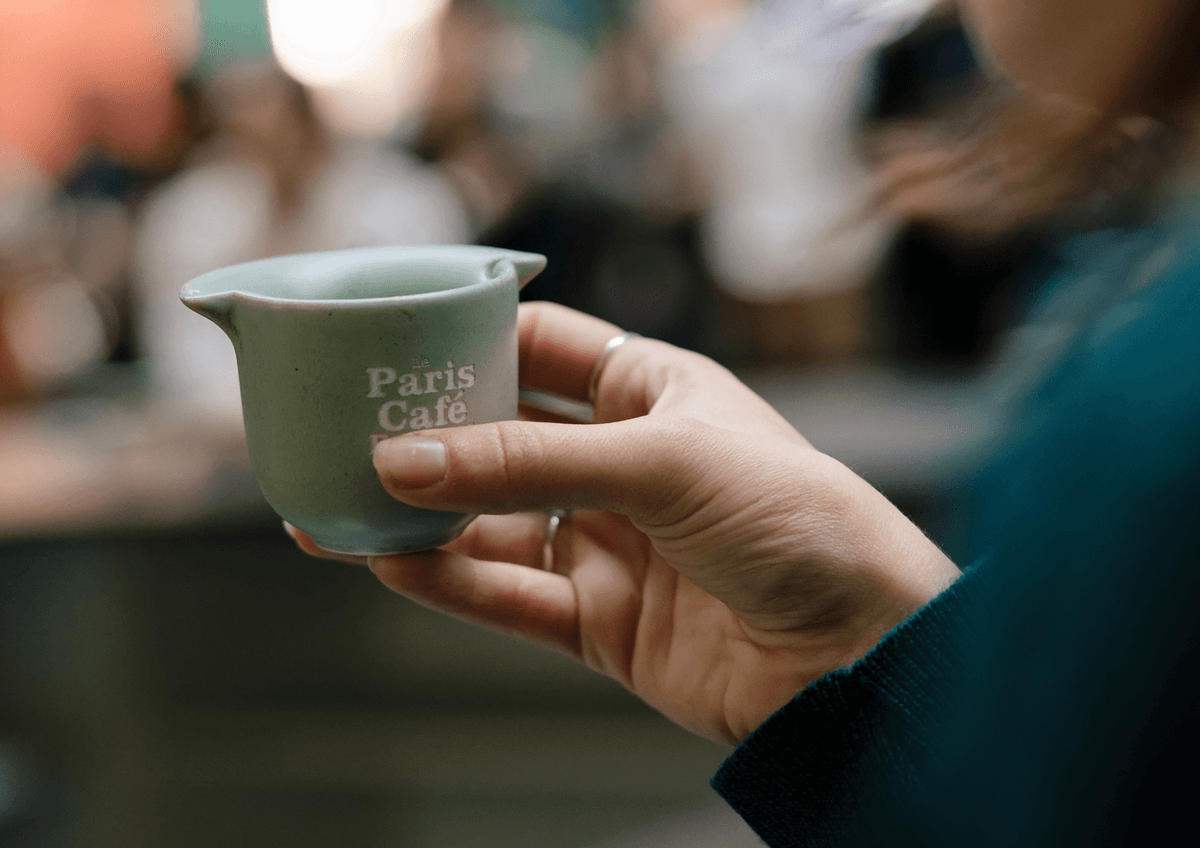
Paris is no longer just a stylish stop on the specialty coffee circuit. Le Paris Café Festival showed how fast the conversation has moved from taste and culture to scale, profitability and trade relationships, with up to 10 new coffee shop openings a week in the capital and a French market that is no longer underdeveloped, but increasingly competitive.
A festival that read like a market briefing
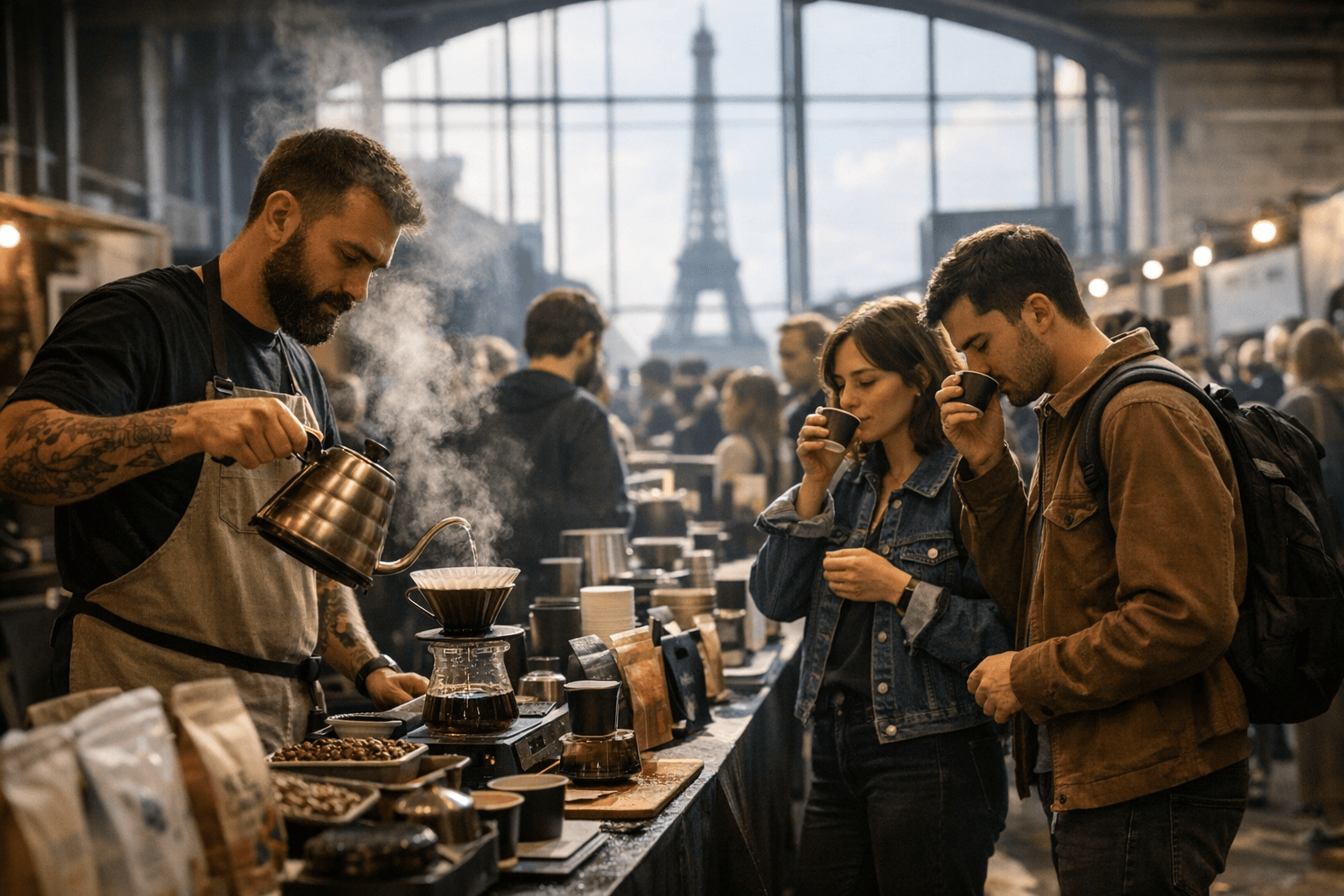
Held at Carreau du Temple from April 11 to 13, 2026, the festival brought together more than 100 brands alongside workshops, masterclasses, talks and an industry programme. That mix mattered because it made the event feel less like a consumer showcase and more like a live read on where the business is heading.
Paris now looks very different from the city World Coffee Portal described as having specialty coffee largely absent just over a decade ago. Today, the market includes a wide mix of homegrown and international operators, and that shift is visible in concrete openings such as Kalve Coffee’s Paris site near the Eiffel Tower and Champ-de-Mars in early 2026. The message from the festival floor was clear: France is no longer learning the category from the sidelines, it is competing within it.
The numbers behind France’s momentum
The wider European backdrop helps explain why Paris matters so much. Europe’s branded coffee shop market reached 51,042 outlets in the year to April 2025, up 4.7%, with the highest net new-store total in five years. Thirty-three of 50 European markets expanded in that period, including France, Germany, Russia and the UK, which shows that branded growth is broadening rather than concentrating in a single hot market.
France is still a relatively small slice of total European coffee volume, but it is moving quickly. The country has about 4,500 chain stores, and Paris is one of the clearest engines of that expansion. Add in the estimate of up to 10 new coffee shop openings a week in the capital, and the picture becomes unmistakable: France has crossed from curiosity to serious market territory.
That growth is happening in a harsher trading environment. European industry leaders described trading conditions as difficult, with 31% using that term, up from 19% a year earlier. At the same time, 75% still saw strong potential for branded coffee chain growth across Europe, which suggests confidence has not disappeared, but it has become more disciplined.
Higher costs are forcing harder decisions
The pressure is not just on storefront expansion. World Coffee Portal’s European market data showed the average cappuccino price at €3.69, up 7.6% year on year, while green coffee prices were at record highs. That combination is pushing operators to think more carefully about menu engineering, margin, and how much consumers will absorb before frequency slips.
That is one reason the festival felt so commercially focused. In a market where costs are rising and trading is tougher, the strongest brands are not just selling coffee, they are selling resilience. The businesses drawing attention in Paris were the ones with clear systems, clear economics and a path to scale, not the ones relying on novelty alone.
Specialty is splitting into multiple business models
One of the clearest themes from the Paris analysis was that specialty coffee is no longer moving in a single direction. On one side sits craft-led, experience-heavy coffee, built around provenance, service and identity. On the other side is tech-enabled convenience, where speed, consistency and low-friction ordering carry more weight.
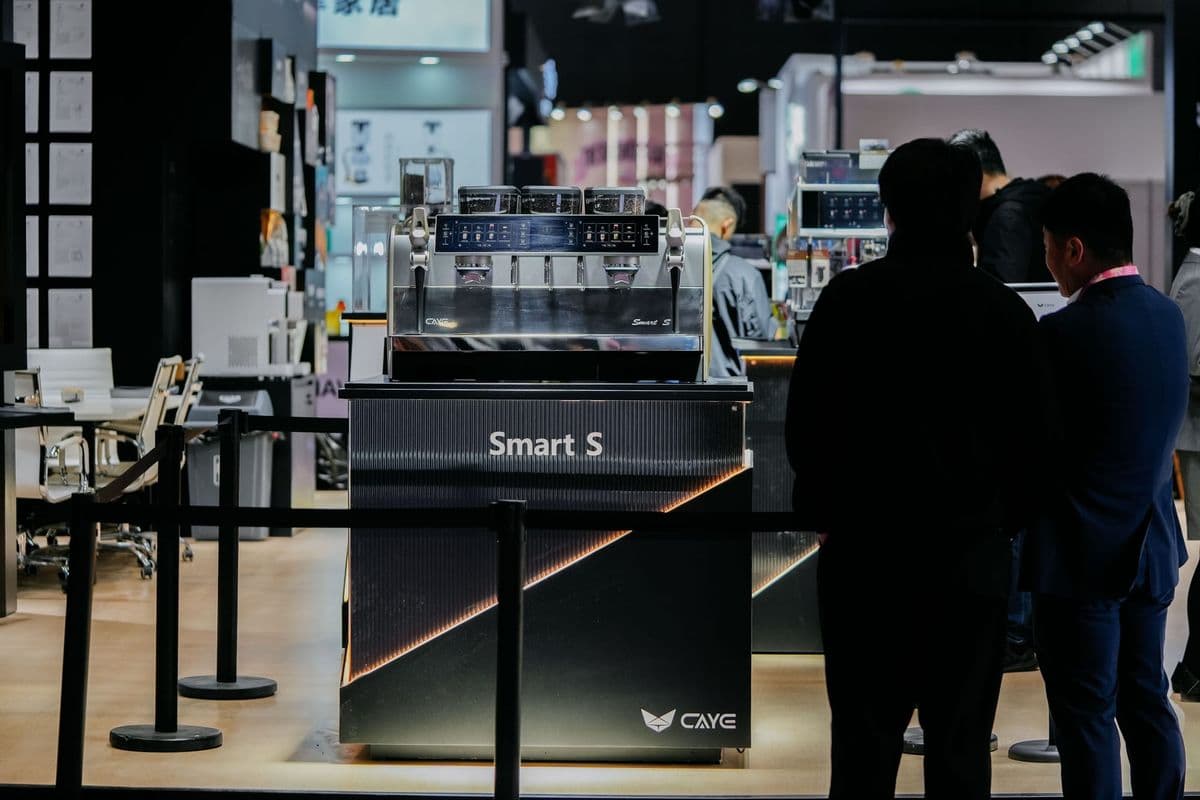
That second model is increasingly shaped by Asian coffee culture, especially China, where app-based ordering, delivery and hyper-convenience are influencing expectations elsewhere. Automation is becoming essential not only for consistency, but also for labor management and quality control, which makes it less of a novelty and more of a strategic necessity. For operators, the lesson is blunt: premium positioning and operational discipline now have to coexist.
The shift also points to a more financially backed specialty sector. Instead of the old founder-led model, more operators are thinking about systems, unit economics and growth capital. That makes the market feel more structured, but also more selective, because expansion now depends on whether a concept can survive pressure on rent, labor and commodity costs.
What brands are putting on the menu next
Beverage diversification is another major takeaway from the Paris signal. Matcha, functional drinks and other non-coffee categories are becoming meaningful revenue drivers, not side bets, as cafés look for higher-frequency, higher-margin products that can broaden the check without diluting the brand.
At the same time, the definition of specialty coffee is being tested. More venues are using the label, but not all are matching it with the sourcing discipline or quality standards that made the category credible in the first place. That is where the market is likely to divide most sharply in 2026: between businesses that can genuinely justify the specialty badge and those using it as a loose marketing term.
Home coffee is still another growth engine, driven by equipment, education and consumer curiosity. Even so, most consumers still prioritize convenience over complexity, which is why the at-home market is growing alongside, not instead of, the café market. The strongest businesses will be the ones that can move with both behaviors at once.
French media are already reflecting that transition. France 24 reported in October 2025 that the country’s coffee culture is shifting away from familiar chains and toward independent roasters and bistros, which lines up with what Paris is now showing on the ground. Le Paris Café Festival did not just celebrate coffee, it exposed a market in the middle of a commercial reset, where growth is still real, but only the most disciplined operators will capture it.
This article was produced by Prism’s automated news system from verified source data, official records, and press releases, then run through automated quality and moderation checks before publishing. The system is built and supervised by the people who set the standards it runs under. Read our full AI policy.
Did this article answer your question?