Rare Ecuador Gesha fetches record $318 per kilogram at auction
A rare Ecuador Gesha just reset the ceiling at US$318 per kilogram, and the math shows why ultra-premium coffee can command serious money.
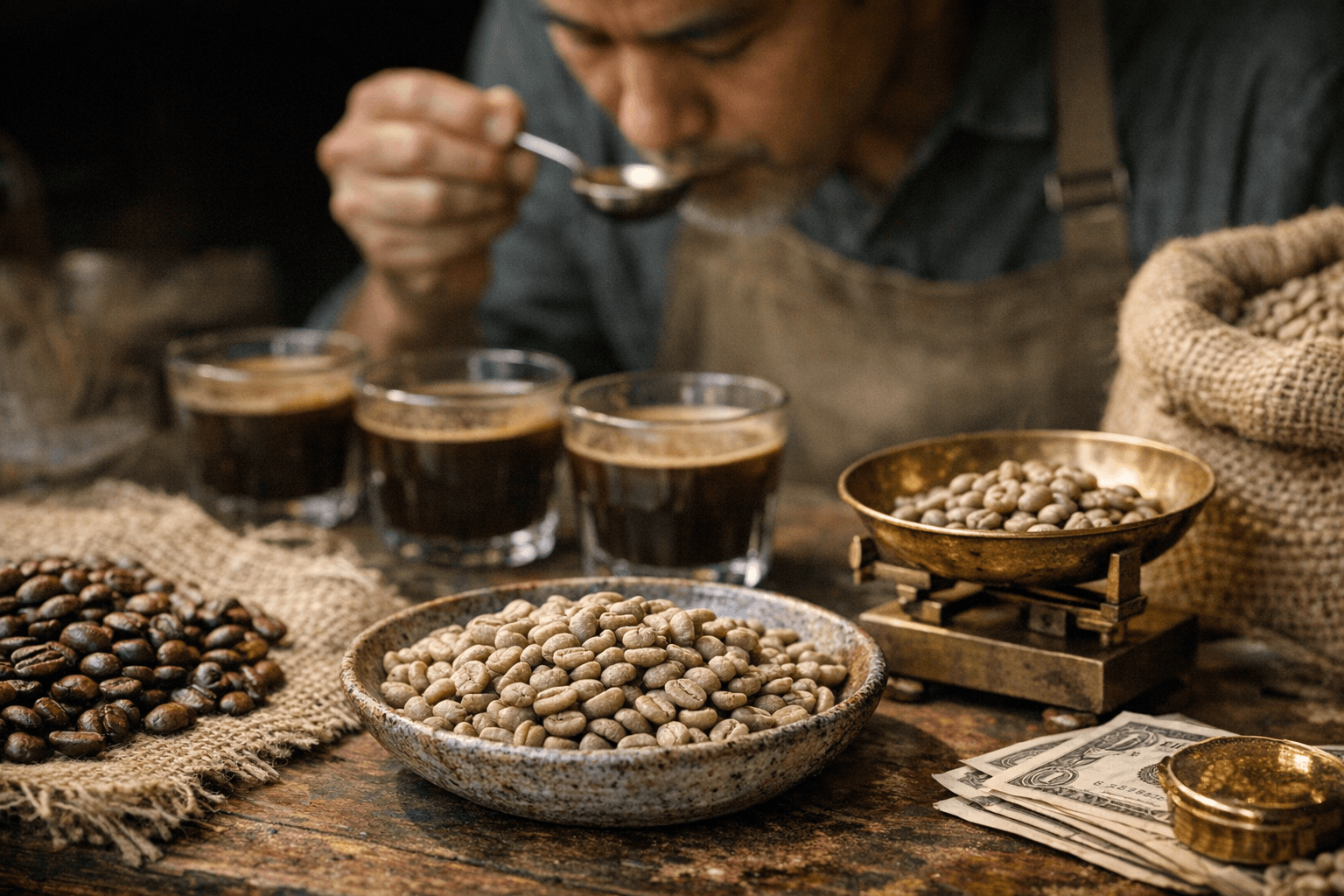
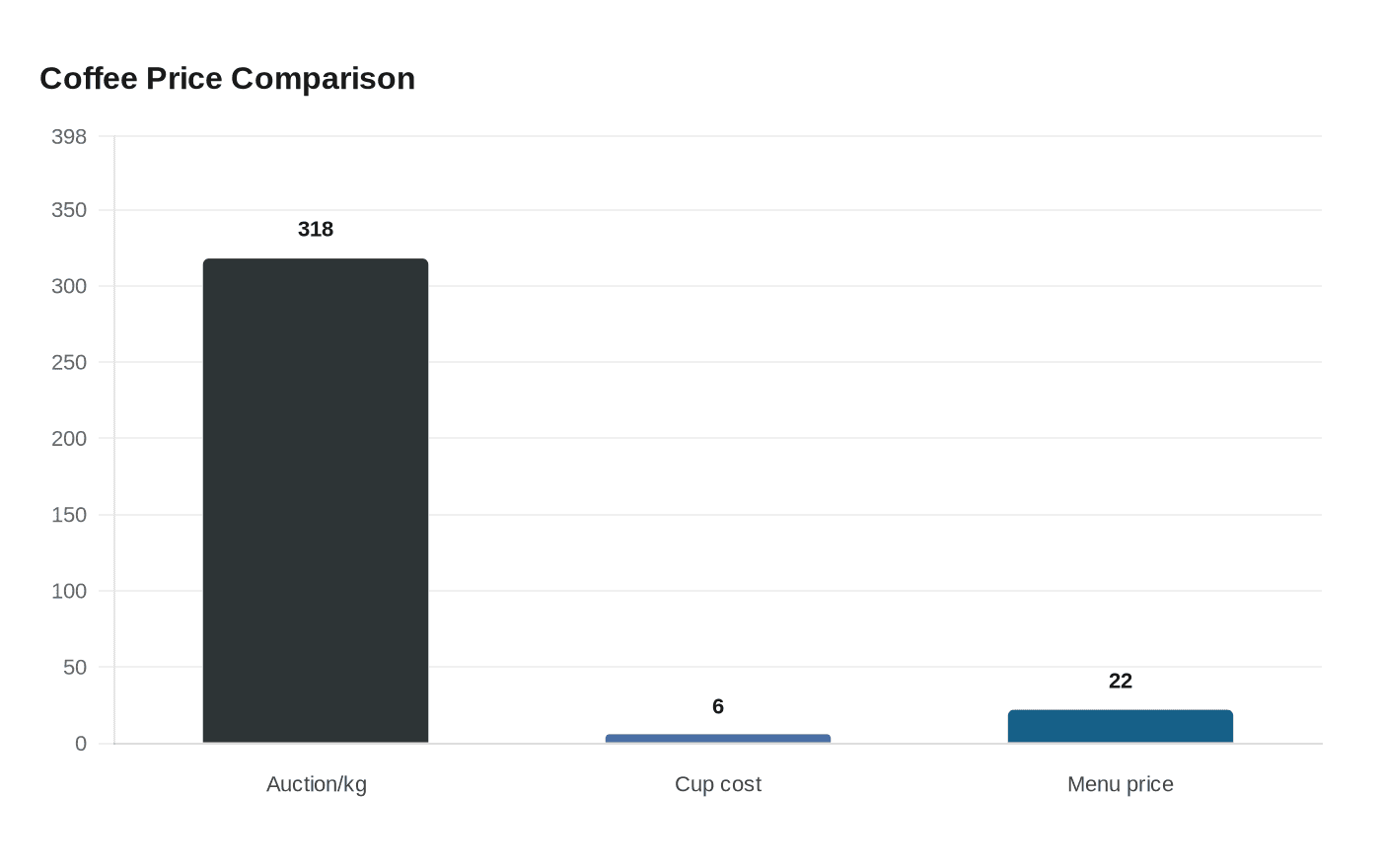
The number that matters here is US$318 per kilogram. A rare Ecuador Gesha hit that price in a competitive international auction, and that single lot says a lot about where the top of specialty coffee is heading: scarcity, reputation, and cup quality are now powerful enough to push green coffee into luxury territory.
Gesha has earned its status the hard way. It is still one of the most coveted varieties in the business because of its floral aromatics and clarity, and when a lot delivers both limited volume and exceptional flavor, buyers keep bidding. This Ecuador sale shows how far the ceiling can stretch when producers nail the sort of careful picking, highly controlled processing, and varietal experimentation that define the ultra-premium end of the market.
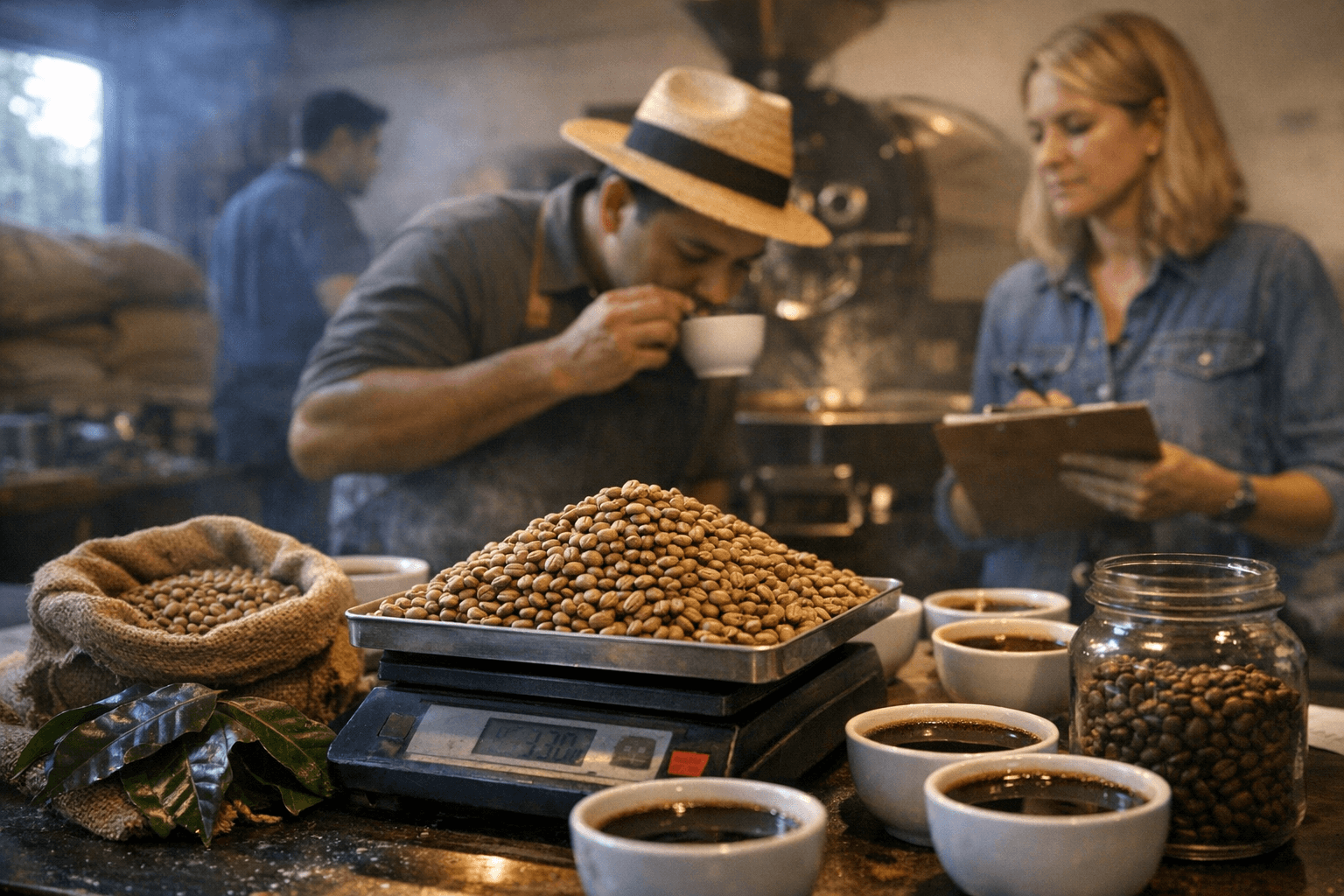
The price also becomes more striking when you run the numbers back to the cup. At that raw-coffee level, the green cost behind an average pour-over or espresso comes out to around US$6 before roasting losses. Once a roaster absorbs shrinkage and adds the kind of typical café markup that comes with a rare-lot release, that cup can land at roughly US$22 on a specialty menu. That is not abstract auction theater. It is the pricing logic that determines whether a café can present a tiny-batch release as a by-the-ounce experience, whether a roaster can justify a one-off microlot subscription, and whether consumers understand they are paying for more than caffeine.
The bigger signal is competitive. Ecuador has spent years building credibility in high-end coffee, but a record sale like this pushes it closer to the conversation long dominated by Panama at the very top of the Gesha tier. For producers, the result validates the investment in traceability and quality control. For buyers, it reinforces that origin prestige and cup character still carry real margin. And for the wider coffee market, it is another reminder that premiumization is not a fad; it is a live strategy, and the best coffees are still setting new rules for what exceptional can cost.
This article was produced by Prism’s automated news system from verified source data, official records, and press releases, then run through automated quality and moderation checks before publishing. The system is built and supervised by the people who set the standards it runs under. Read our full AI policy.
Did this article answer your question?