Uganda Delivers Coffee Seedlings to Kaberamaido Farmers, Boosting Production
Uganda sent coffee seedlings to Kaberamaido farmers to fill a local shortage and turn the district’s suitable growing conditions into more output.
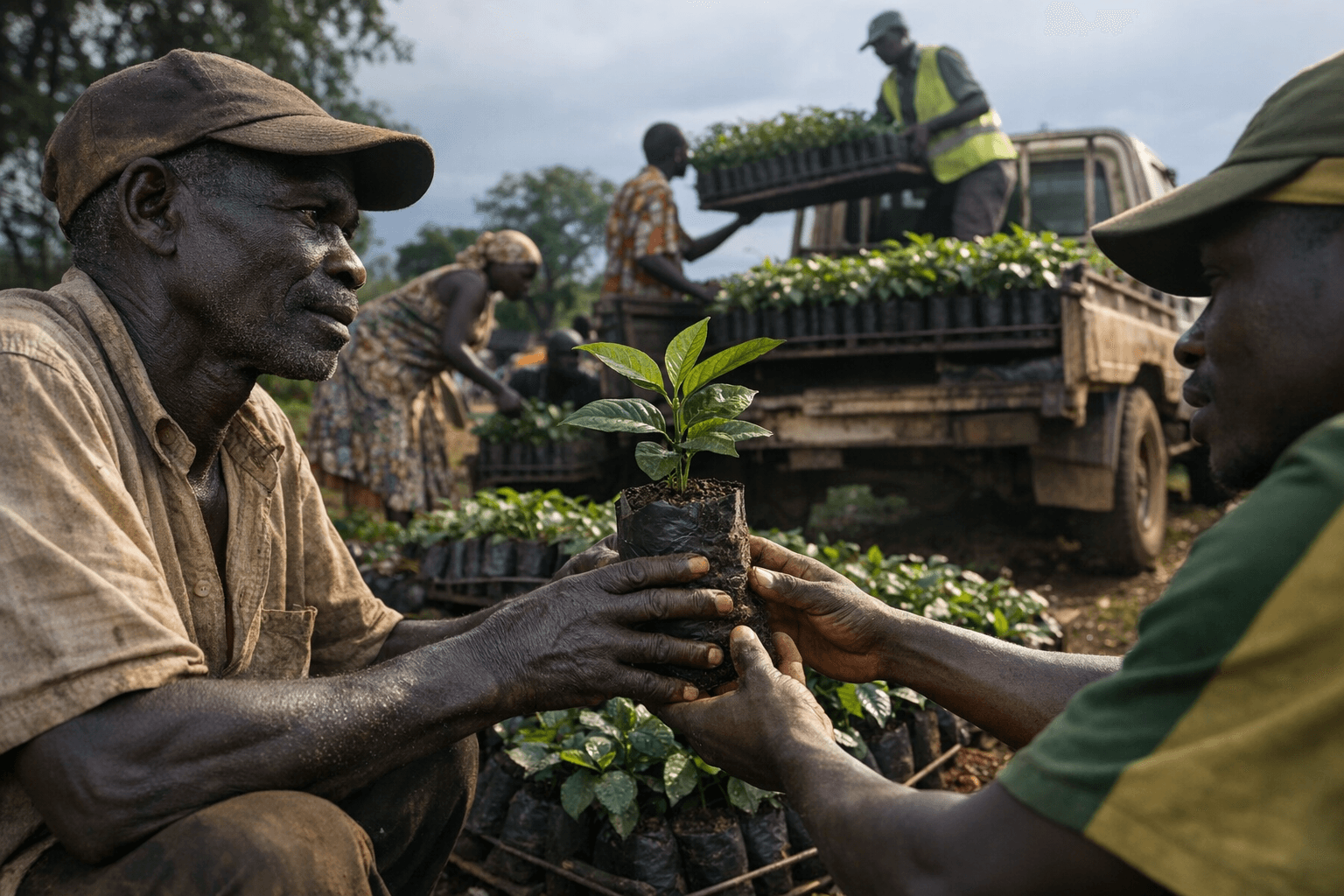
Coffee seedlings reached farmers in Kaberamaido district as the Ugandan government moved to lift local production and ease shortages that had slowed planting. The delivery gave growers fresh material to expand their plots in a district now being positioned as part of the country’s wider coffee push.
The handover matters because it is not just a supply drop. It is a bet on acreage and future harvests. By putting seedlings into farmers’ hands now, officials are trying to convert Kaberamaido’s suitable growing conditions into a steadier flow of coffee from fields that had been constrained by limited planting material. For farmers, that means a chance to replace empty spaces, enlarge small holdings, and move toward more dependable output.
The timing also speaks to the economics of coffee in Uganda. Seedlings are the first link in a chain that runs from nursery beds to farm management, then through years of waiting before the trees begin bearing. That makes every shipment of planting material a long-range production decision, not a quick fix. If the seedlings establish well, Kaberamaido could add more coffee to the national crop and help strengthen supply for a sector that depends on consistent growth across producing areas.
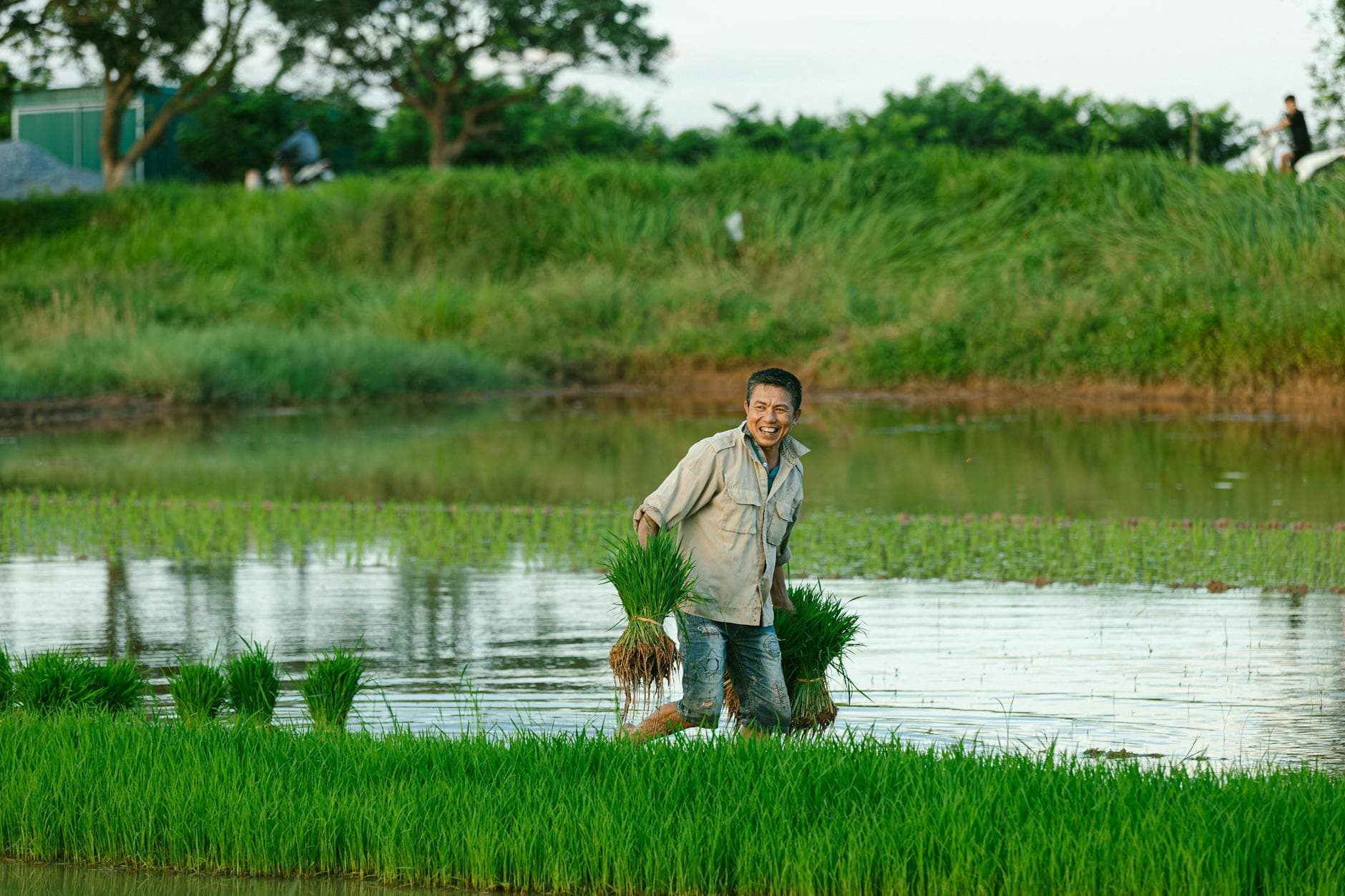
For the wider coffee trade, the move signals a local response with national implications. Uganda has been working to grow its coffee sector, and Kaberamaido’s delivery fits that strategy by opening more land to cultivation in a district with conditions suited to the crop. Whether the seedlings simply patch a shortage or translate into a meaningful rise in future production will depend on how many farmers plant them, how well the trees take root, and how much new acreage follows. Either way, the district now has a clearer path from nursery stock to harvest, and that is where the next supply story begins.
This article was produced by Prism’s automated news system from verified source data, official records, and press releases, then run through automated quality and moderation checks before publishing. The system is built and supervised by the people who set the standards it runs under. Read our full AI policy.
Did this article answer your question?