Why Coffee Water Chemistry Is Now a Brewing Priority
Water is turning out to be the hidden lever behind disappointing coffee, from muted acidity to thin espresso. More brewers are treating chemistry as a core input, not an afterthought.

Water has become the missing brewing variable
Coffee advice is moving toward a harder truth: beans, roast level, grind size, and brew method matter, but water can still decide whether the cup lands with clarity or falls flat. That shift is showing up across the home-barista world, where better grinders and better beans have made many brewers notice that their cups still do not open up the way they expected. Water chemistry is no longer being treated like background noise. It is being recognized as a core brewing input, right beside dose, ratio, temperature, and contact time.
That matters because water is present in every brew, every sink-side experiment, and every café training session. Once people start comparing tap water, filtered water, and mineral-adjusted water side by side, the scale of the difference becomes hard to ignore. The conversation has moved from “does water matter?” to “which water is making this coffee taste the way it should?”
What bad water does to coffee
The clearest reason water has moved to the center of coffee advice is that different water profiles create very different cups. Water that is too hard can mute acidity and leave behind a heavy, mineral taste. Water that is too soft can push coffee in the opposite direction, making it taste thin, sharp, or underdeveloped. Overly chlorinated tap water adds another problem by flattening aroma before the cup even reaches the table.
Those effects are not abstract. They change how the coffee reads in the mouth and nose, and they can hide the very qualities people paid for in the first place. Floral notes can get buried, bitterness can feel harder to control, and a brew that should feel vivid can instead taste dull or unbalanced. When the cup seems disappointing despite quality beans and careful prep, water is increasingly the first place experienced brewers look.
Why the issue is getting more attention now
The renewed focus is partly education and partly frustration. As more home brewers invest in serious grinders and higher-quality beans, they expect a noticeable jump in flavor. When that leap does not appear, the limiting factor is often the water, not the coffee itself. That realization has pushed more people to test filtration, bottled water, and custom mineral recipes.
Educators have also helped make the point more practical. Water can be one of the easiest ways to improve consistency without changing the recipe dramatically. That makes it attractive in a space where many brewers already know how to adjust grind and dose, but still want a more dependable result from one bag to the next. In other words, water is getting attention because it solves a stubborn problem with fewer moving parts than a full workflow overhaul.
How the right water changes the brew
Different brewing methods respond to water chemistry in different ways, but the common thread is extraction quality. For pour-over, better water can make floral notes clearer and help bitterness stay in check. That matters when a delicate, high-acid coffee needs space to show its structure instead of getting buried under mineral weight or a flat profile.
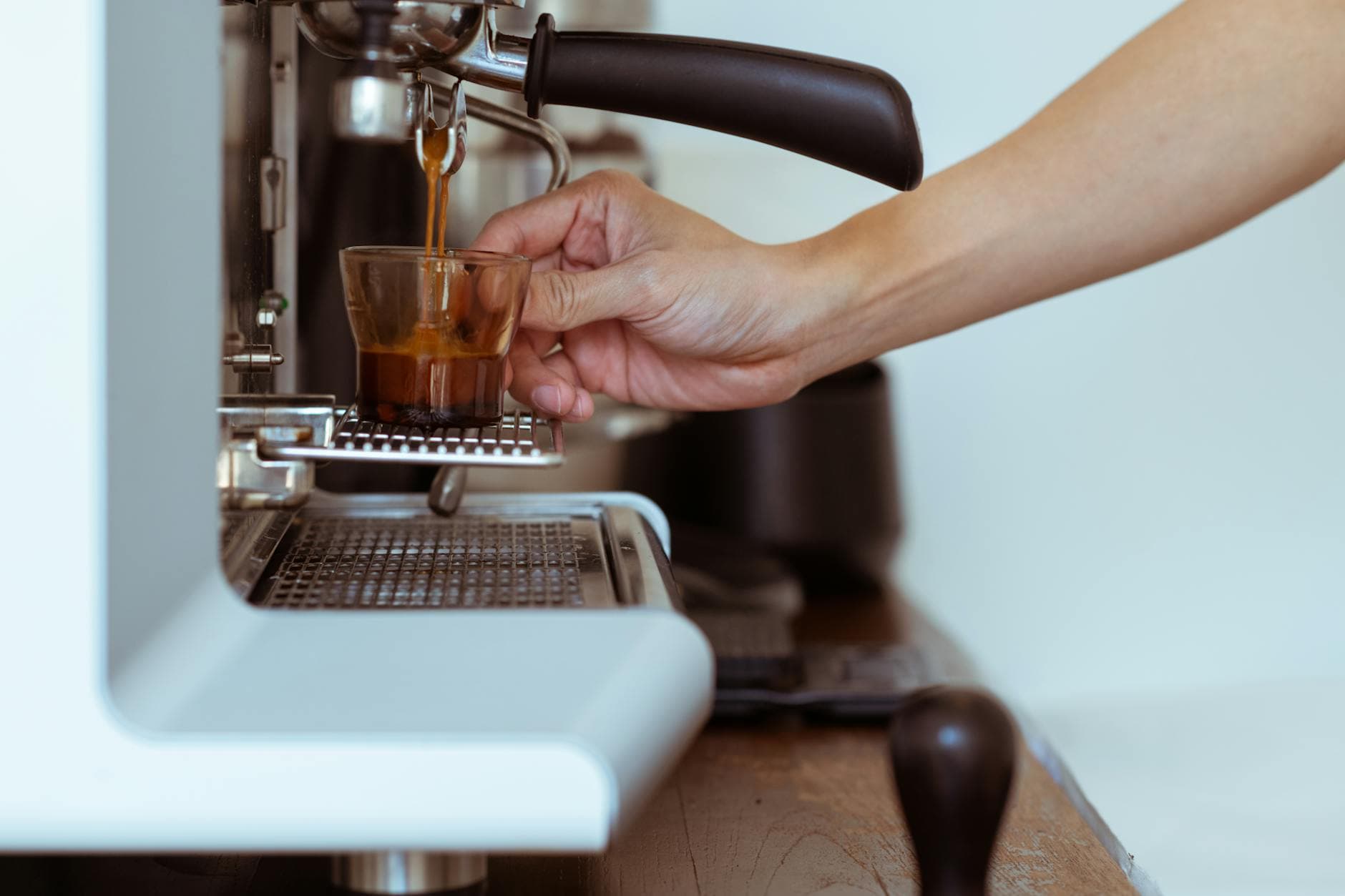
Espresso is even more sensitive in some ways because water affects extraction stability and machine longevity. When the water is better matched to the brew, the shot can behave more predictably from one pull to the next. That is a serious advantage for anyone trying to dial in repeatability, especially when the goal is not just a good shot, but the same good shot tomorrow.
Drip coffee also benefits in a more straightforward way. The difference can be as simple as a cup that tastes alive instead of flat. That may sound small on paper, but in daily brewing it is the difference between coffee that feels routine and coffee that actually carries its aroma, sweetness, and structure into the mug.
What brewers are changing at the counter
At home and in café training rooms, the response has become more practical. People are experimenting with countertop filters, bottled water, and mineral recipes because those are accessible ways to reshape the cup without rebuilding the whole setup. The fact that all of this happens in familiar places, from kitchen sinks to brewing stations, has made the topic feel less technical and more immediate.
The current approach is not about chasing one perfect universal water. It is about making water an intentional choice instead of an accident of the tap. For many brewers, that means checking whether the local water is too hard, too soft, or too chlorinated, then adjusting from there. The goal is repeatability: a cup that tastes the same way when the beans, grinder, and technique are already doing their job.
Why roasters and educators need to treat water as part of the recipe
This shift changes the job for roasters and coffee educators too. If water can hide acidity, flatten aroma, or exaggerate sharpness, then advice that stops at grind size and brew ratio is incomplete. More brewing guides are already folding water into the same conversation as dose, temperature, and contact time, which is where it belongs.
For roasters, that means water should be part of customer education, especially when people are asking why a carefully sourced coffee does not taste as expected at home. For educators, it means helping brewers understand that consistency does not always require a new machine or a new origin. Sometimes the biggest improvement comes from the least glamorous ingredient in the room.
The broader lesson is simple: expensive beans and impressive equipment can still disappoint if the water is working against them. Once water chemistry is treated as a brewing priority, the rest of the process starts making more sense, and the cup gets a better chance to show what was there all along.
This article was produced by Prism’s automated news system from verified source data, official records, and press releases, then run through automated quality and moderation checks before publishing. The system is built and supervised by the people who set the standards it runs under. Read our full AI policy.
Did this article answer your question?