World of Coffee San Diego sparks new wave of pourover brewers
San Diego’s World of Coffee turned pourover into a hardware race, with Espro, Timemore, Sibarist, NextLevel and Hario chasing faster flow and tighter control.
At World of Coffee San Diego, the quietest brew method on the floor got the loudest engineering push. The show at the San Diego Convention Center drew more than 15,000 attendees from more than 90 countries, and the manual pourover launches made one thing clear: the ritual has barely changed, but the hardware around it has become much more serious.
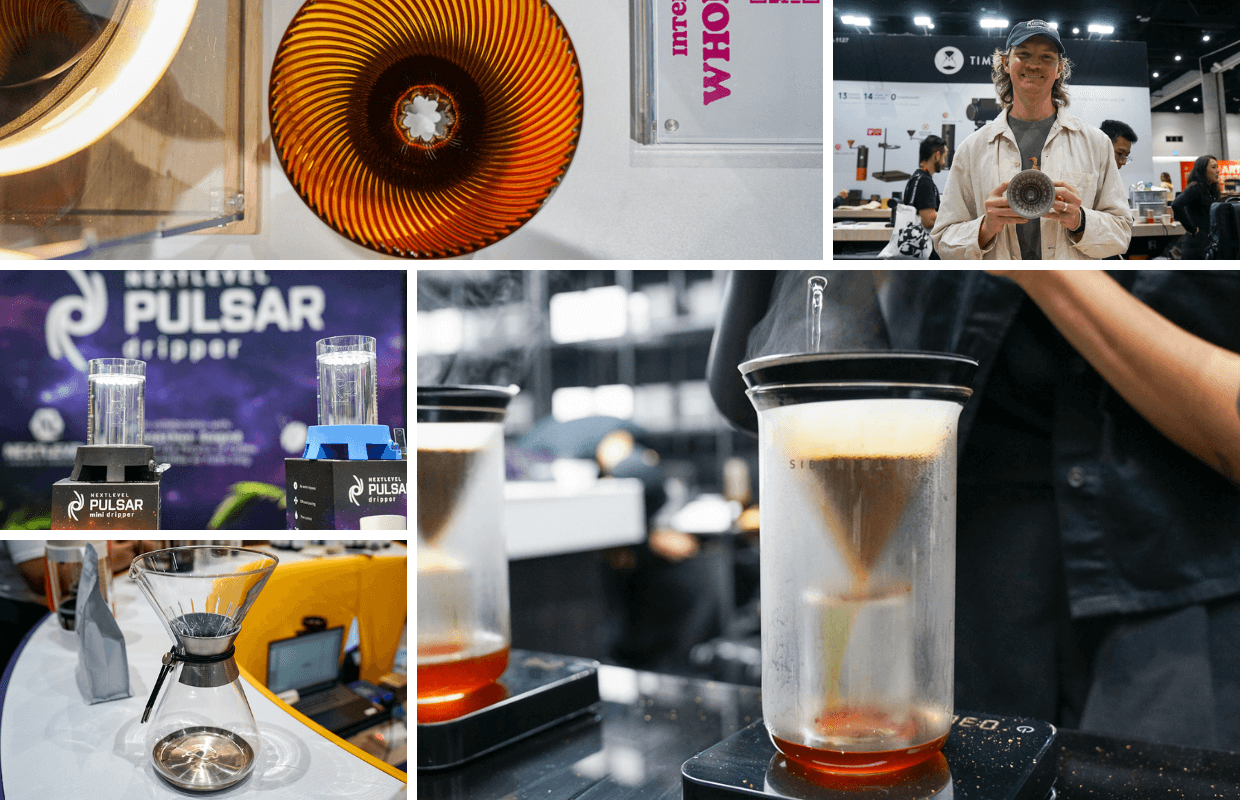
Espro came back to pourover with a brewer that keeps the familiar Chemex-style hourglass silhouette, then changes the parts that affect day-to-day use. Interior ridges are meant to speed flow, while a metal collar and a metal-and-silicone base should make the dripper less fragile than a purely glass showpiece. The body is borosilicate glass, which gives it the polished look buyers expect without turning it into a delicate shelf object.
Timemore went in a more technical direction with the Crystal Eye Vector, developed with Matt Winton, the 2021 World Brewers Cup Champion for Switzerland. The brewer uses intricate facets and channels made through stainless steel injection molding to create capillary action and direct flow. That is the kind of design change that matters in a cup, because it is aimed at improving extraction with fewer pours, not just changing the silhouette for the sake of it.
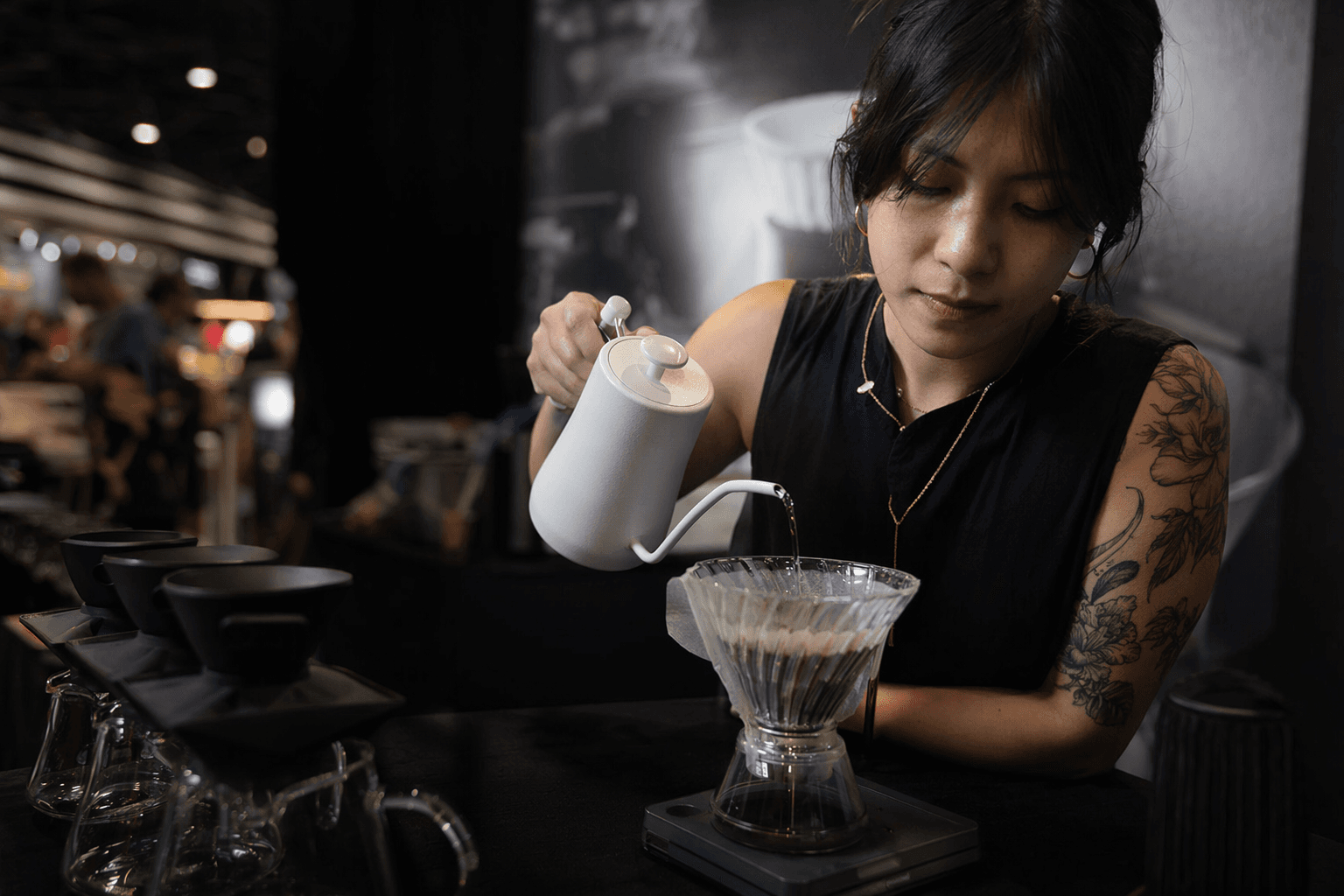
Sibarist pushed the workflow angle even harder. Its system, handmade in Barcelona from borosilicate glass, pairs high-permeability paper filters with an exchanger that can be filled with ice or warm water. The point is temperature management without messy fiddling, while also minimizing bypass and preserving aromatics. For brewers who are already chasing repeatability, that is not a gimmick. It is a real attempt to remove variables.
NextLevel’s Pulsar reinforced the same message from a different angle. The brewer is built around valve-controlled flow and a no-bypass design, with retail listings citing a 380 ml liquid capacity and a recommended 20 g coffee to 340 g water ratio. That puts precision at the center of the cup, where it belongs, and makes the brewer more about controlling water movement than simply pouring carefully.
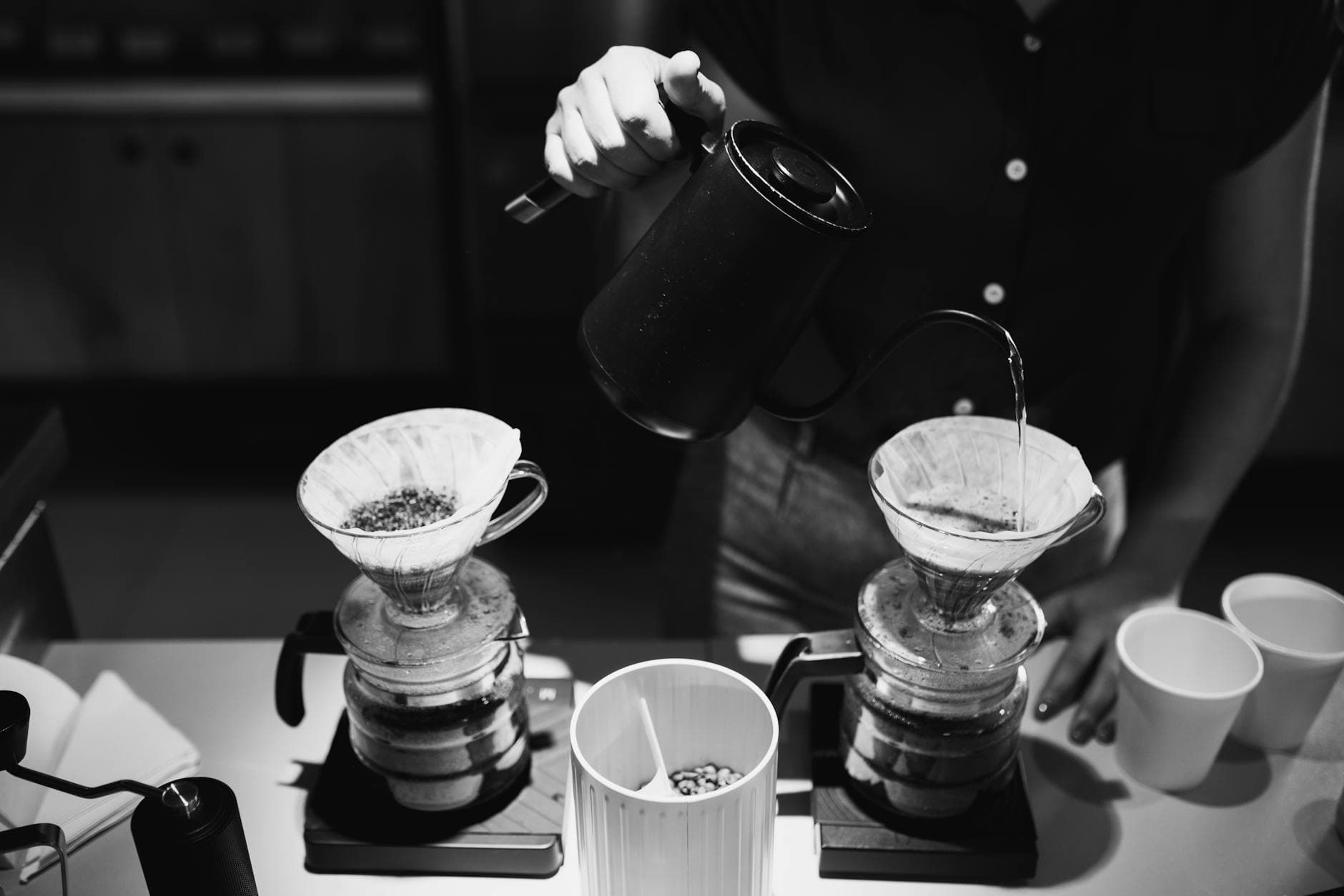
Hario, meanwhile, showed that even the most familiar pourover brand is still nudging the category forward. It planned to showcase the V60 Dripper NEO, which had won the 2026 iF Design Award, alongside the V60 Surfboard Base Dripper. The NEO looks like the more meaningful update because it suggests the V60 form still has room for better performance, while the surfboard base reads more like a style play.
The broader takeaway from San Diego is simple: this category is not standing still. The best new brewers are the ones changing flow paths, temperature behavior and durability in ways a home brewer can actually feel in the cup, while the least convincing ones are just dressier versions of familiar cones.
This article was produced by Prism’s automated news system from verified source data, official records, and press releases, then run through automated quality and moderation checks before publishing. The system is built and supervised by the people who set the standards it runs under. Read our full AI policy.
Did this article answer your question?