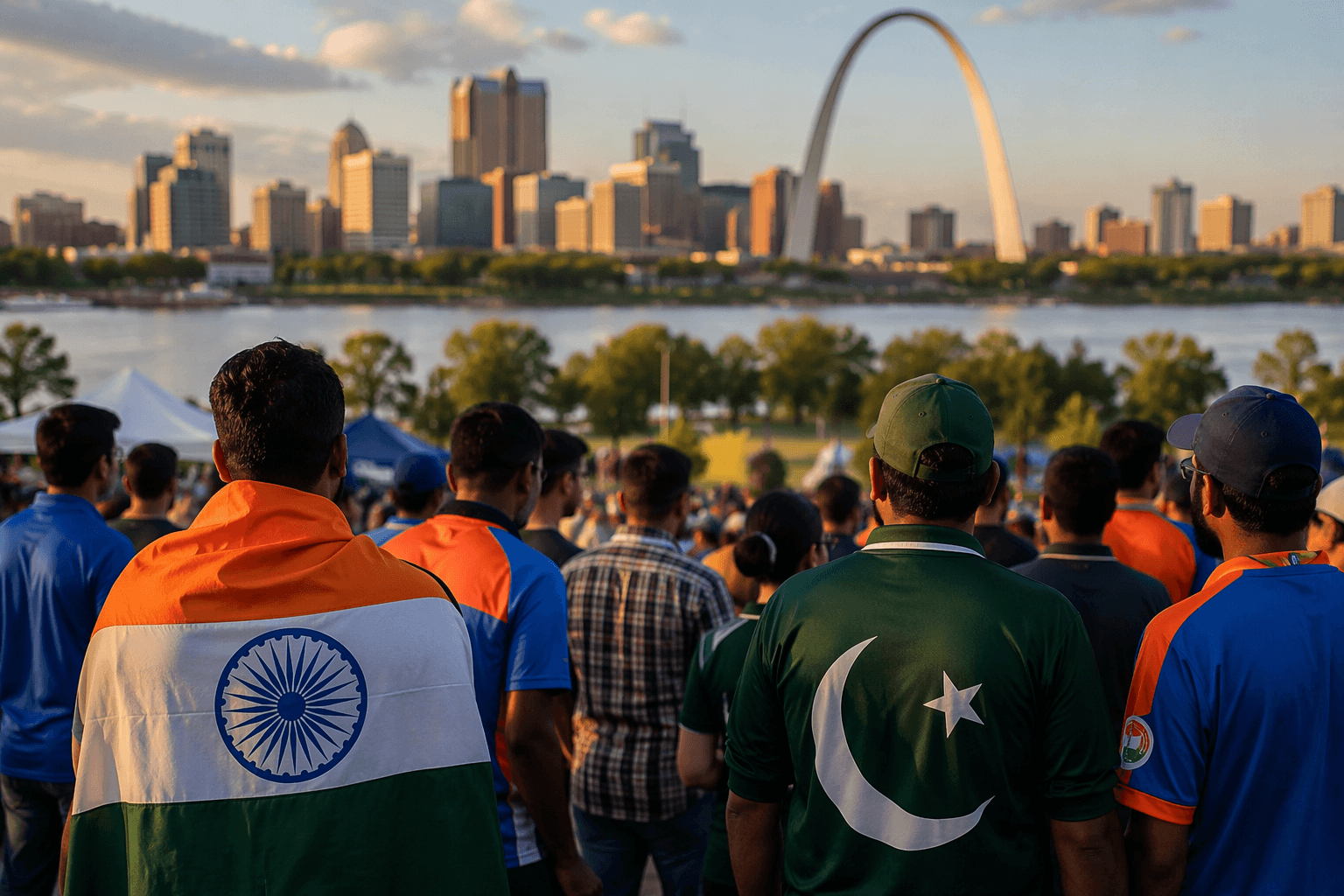
Forest Park anchors cricket’s public space in St. Louis
Forest Park turned open civic land into cricket’s visible home, from a named Cricket Field to the 2024 St. Louis Cup, and that access still shapes Missouri play.
Forest Park is where St. Louis cricket steps into public view. The city’s largest park gives the game something it often struggles to find in American cities: a broad, recognizable space where a flat pitch, outfield room, and spectators can all fit without asking permission from a private club or a temporary setup.
Forest Park as cricket’s civic gateway
The park’s scale explains a lot of that role. Forest Park was dedicated on June 24, 1876, and the City of St. Louis now says it draws more than 12 million visitors a year. That kind of foot traffic matters for cricket because visibility is part of growth in this city: when the game is played in a place people already know and use, it stops feeling like a niche activity hidden behind fences.
Forest Park also carries the kind of public identity that helps cricket survive between seasons and across changing club rosters. Forest Park Forever says the park spans 1,300 acres, an area it has compared to more than 730 professional soccer fields. In Missouri, where cricket has to compete with baseball diamonds, soccer fields, school calendars, and weather, that much room is not just nice to have. It is the difference between squeezing in a game and sustaining a community.
A park built out of public debate
Forest Park’s cricket story starts long before modern leagues and weekend matches. The city historical record says the park was proposed in 1870 by real estate developer Hiram Leffingwell and legislator Nicholas Bell. Four years of fighting followed over acquiring the land, and one reason was practical: the site was initially hard to reach because it was not connected to the city by horsecar lines or paved roads.
That detail still matters for understanding why Forest Park later became so valuable to cricket. The park was never created as a cricket ground, but it was built as a public asset large enough to hold many uses over time. A sport that depends on open ground and a level strip benefits when a city preserves a place with that kind of flexibility, and Forest Park’s history shows how a contested civic project can become a durable sports landscape.
Cricket is visible on the map
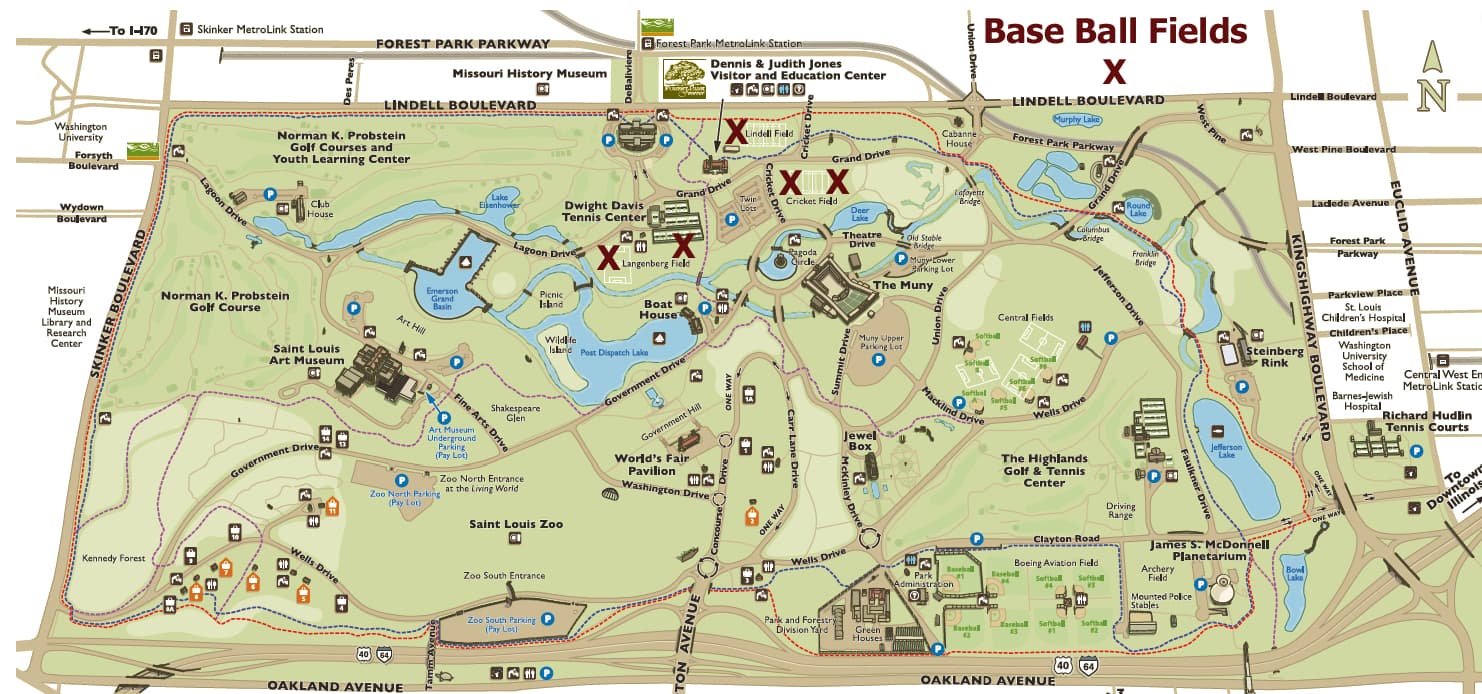
The clearest sign that cricket has a home here is simple: Forest Park Forever’s park map includes a location labeled Cricket Field. A related directory listing also identifies Forest Park Cricket/Rugby Fields in St. Louis. Those names matter because they turn cricket from an informal practice into a mapped part of the park system, one that visitors can find and players can plan around.
For Missouri hobby cricketers, that visibility is valuable in a very practical way. Cricket is easy to miss when it is played only on private ground or in borrowed space, but a named field inside a major public park gives the sport an address in the city’s recreation life. It also makes the game legible to people who may be walking the park, using nearby fields, or simply noticing that cricket belongs in the same civic landscape as other organized sports.
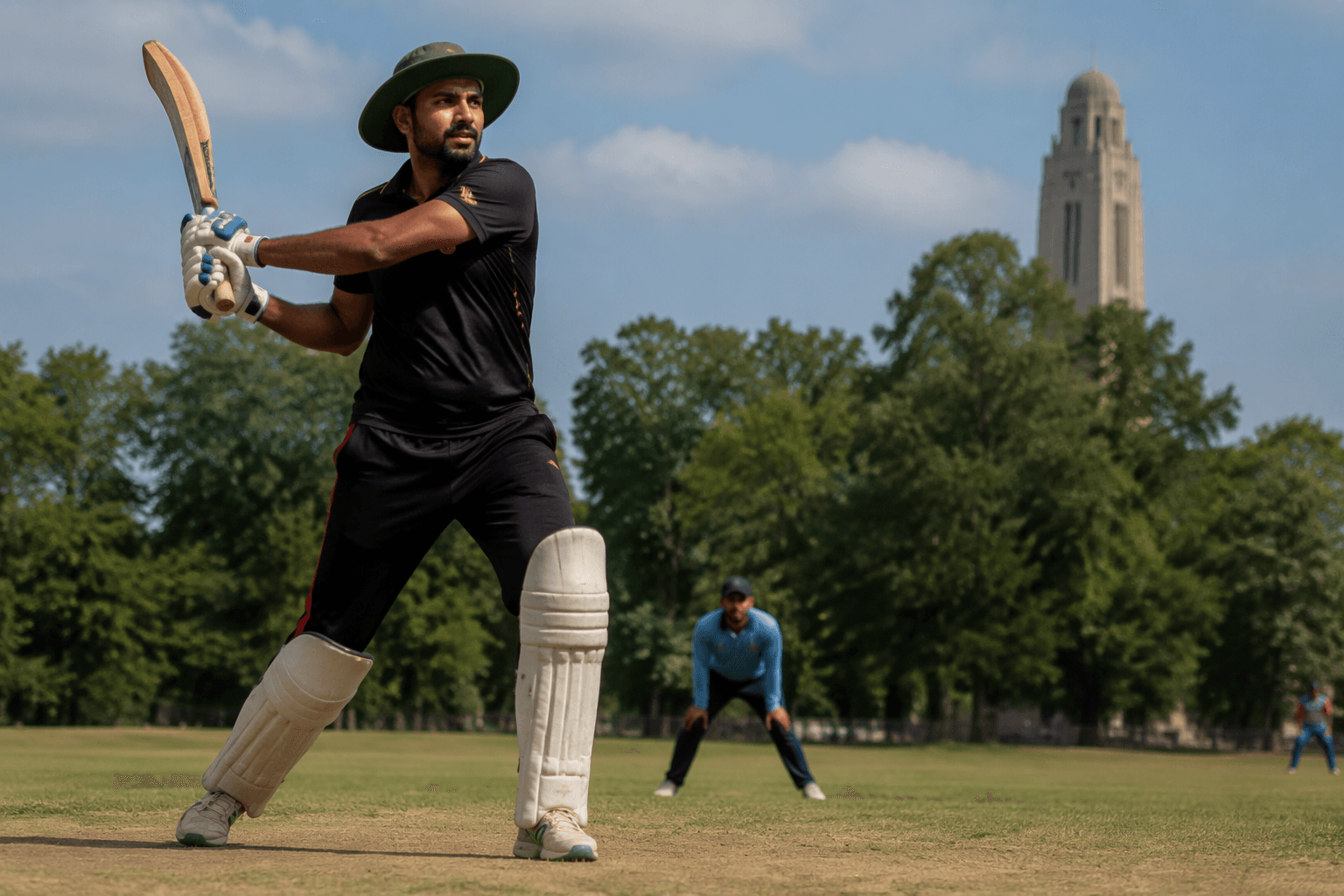
The setting also reinforces what cricket needs physically. It is a field game, not just a bat-and-ball game, and it requires a pitch, safe outfield space, and enough margin for fielders, running, and spectators. Forest Park’s open acreage fits that need better than many urban sites, which is why the park keeps showing up in Missouri cricket conversations.
The St. Louis Cup shows the park in use
The park’s cricket role is not just historical. Forest Park Forever listed the 10th Annual St. Louis Cup at Forest Park for Saturday, July 27, 2024, hosted by the St. Louis Brown Stockings. Play was scheduled from 9 a.m. to 4 p.m. at Langenberg Field, Lindell Field, and Cricket Field, which makes the event a concrete example of how the park works as a multi-field cricket venue.
That lineup tells you something useful about how the local game operates. Cricket in St. Louis is not confined to a single showpiece ground; it moves across named fields within the park, which allows a tournament day to spread out and function publicly. The Brown Stockings hosting there also shows how club cricket uses Forest Park as both competition space and community space, keeping the sport visible in one of the city’s most traveled locations.
What Missouri players can learn from Forest Park
Forest Park’s long record offers a practical lesson for anyone building cricket in Missouri. Access beats isolation. The park’s 1870 land fight, its eventual dedication in 1876, its 1,300-acre footprint, and its place in a city visited by more than 12 million people each year all point to the same conclusion: cricket grows faster when it has a public setting people already trust and use.
That is especially important in a state where field access is always part of the equation. School schedules shift, club calendars change, and weather can wipe out plans quickly. A park with a Cricket Field on the map, plus organized use like the St. Louis Cup at Langenberg, Lindell, and Cricket Fields, gives the community a stable reference point. Forest Park does not just host cricket; it teaches how the sport can root itself in public space and stay there.
For Missouri cricket, that is the real landmark value of Forest Park. It is a place where the game is not hidden at the edge of civic life but anchored inside it, where a major city park keeps giving cricket the open ground, the visibility, and the continuity it needs to remain part of St. Louis.
This article was produced by Prism’s automated news system from verified source data, official records, and press releases, then run through automated quality and moderation checks before publishing. The system is built and supervised by the people who set the standards it runs under. Read our full AI policy.
Did this article answer your question?