Jefferson City cricket grows as Mid Missouri league builds local footprint
Jefferson City is giving Missouri cricket a foothold beyond St. Louis and Kansas City. Byrd, Williams and Scott fields show a real central hub taking shape.
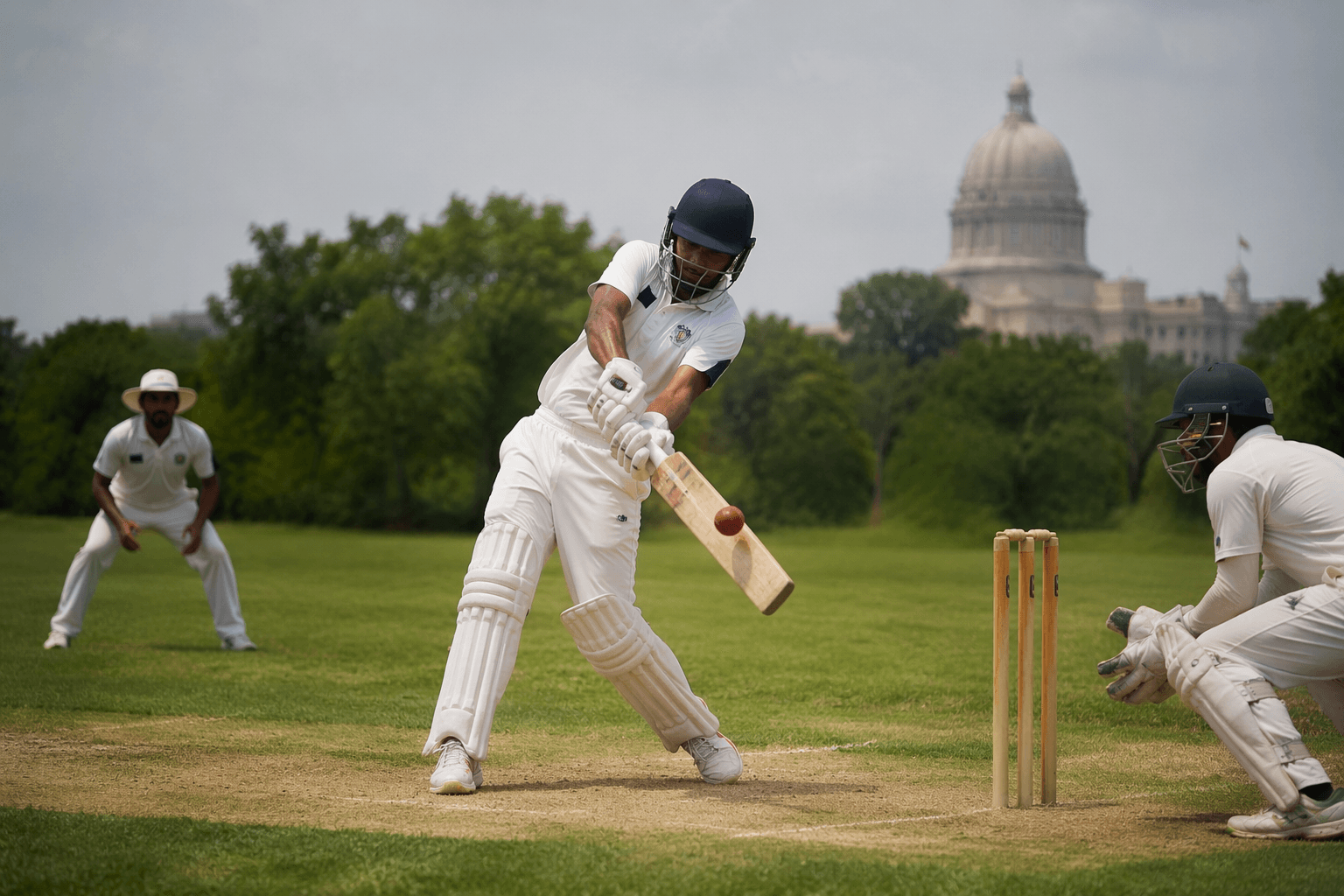
Missouri cricket is no longer just a St. Louis or Kansas City story. Jefferson City now has named teams, playable grounds, and results in the books through the Mid Missouri Cricket League, which gives central Missouri a real place on the state cricket map. The signal is modest but unmistakable: Jefferson City Strikers have already beaten IRG by six wickets, and the city’s park network gives that activity room to keep growing.
Jefferson City’s cricket base is real, not improvised
The clearest sign of staying power is where the game is being played. JC Parks lists Binder Sports Complex in Jefferson City as the home of Byrd Field, Scott Field, Williams Field, and other fields at 400 Binder Lake Road. That puts cricket inside an established public recreation site rather than on a one-off surface with no long-term footing.
Binder Park adds another layer to that picture. JC Parks identifies it as Jefferson City’s largest park and places it at 5840 Rainbow Drive, Jefferson City, MO 65109. When a city’s largest park and a multi-field sports complex both sit inside the cricket story, the sport is working with infrastructure that can support regular use, not just occasional novelty.
The important point for Missouri cricket is continuity. A city-owned field system gives players a place to show up, return the next week, and keep score without leaving town. That is how a local cricket culture starts to feel normal.
The ground numbers show a small but functioning network
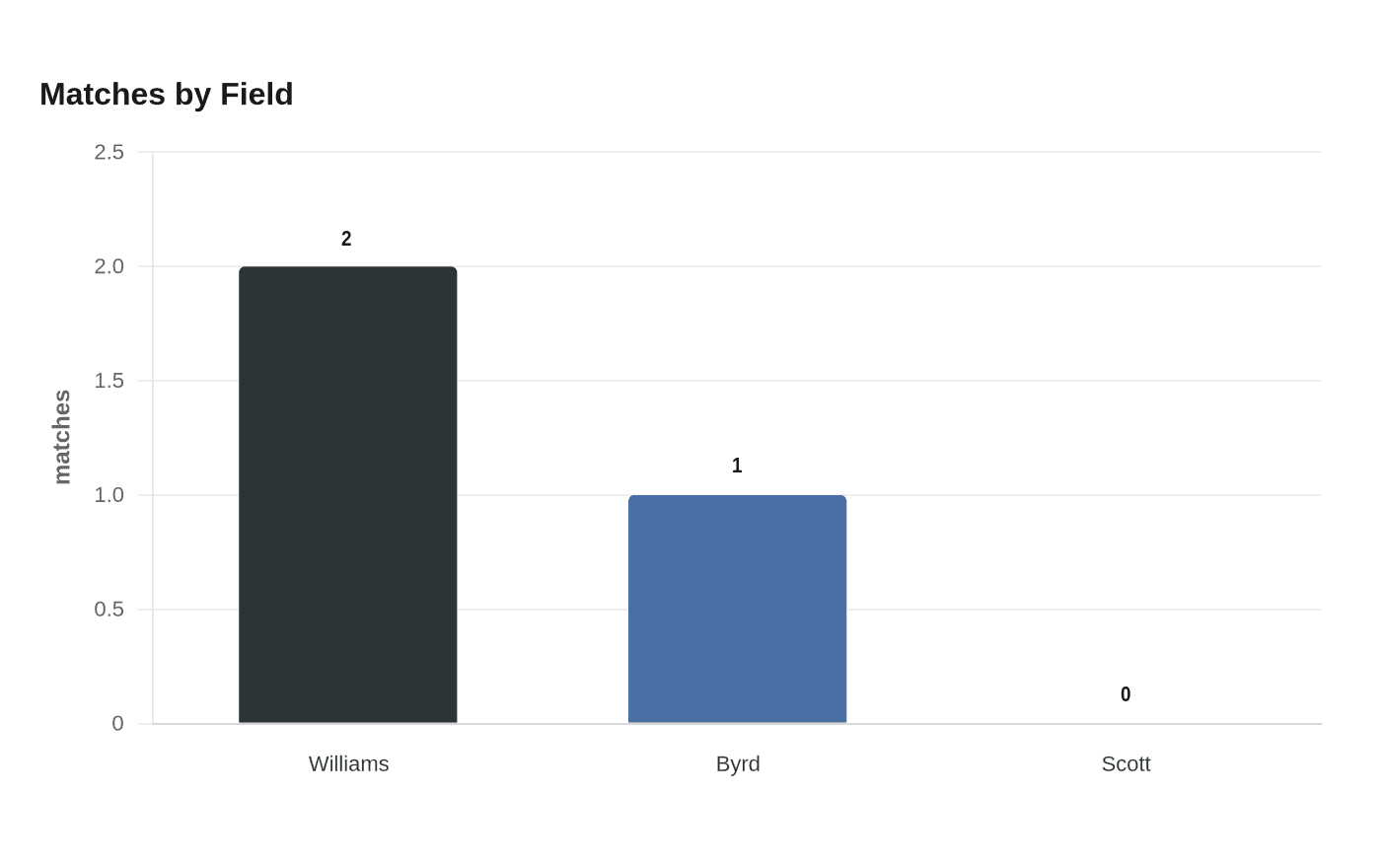
The Mid Missouri Cricket League’s ground pages make the footprint even clearer. Williams Field in Jefferson City has hosted 2 matches, with average scores of 48 in the first innings and 52 in the second innings. Byrd Field has only 1 match listed, but its average scores are much higher, 134 in the first innings and 64 in the second innings. Scott Field still shows 0 matches and 0 average scores.
Taken together, those numbers tell the story of a developing cricket market. Williams Field already looks playable and active, Byrd Field has handled at least one higher-scoring match, and Scott Field is part of the network even before it has a scorecard of its own. That unevenness is normal when a sport is still building local habits, because some grounds become regular homes before others get consistent use.
- Williams Field: 2 matches, 48 first-innings average, 52 second-innings average.
- Byrd Field: 1 match, 134 first-innings average, 64 second-innings average.
- Scott Field: 0 matches, no average scores yet.
The fact that all three are tied to Binder Park in Jefferson City matters as much as the scores themselves. A cluster like this gives the city more than a single pitch. It gives cricket room to spread across multiple surfaces and settle into a repeatable local routine.
Jefferson City is already part of a central Missouri cricket corridor
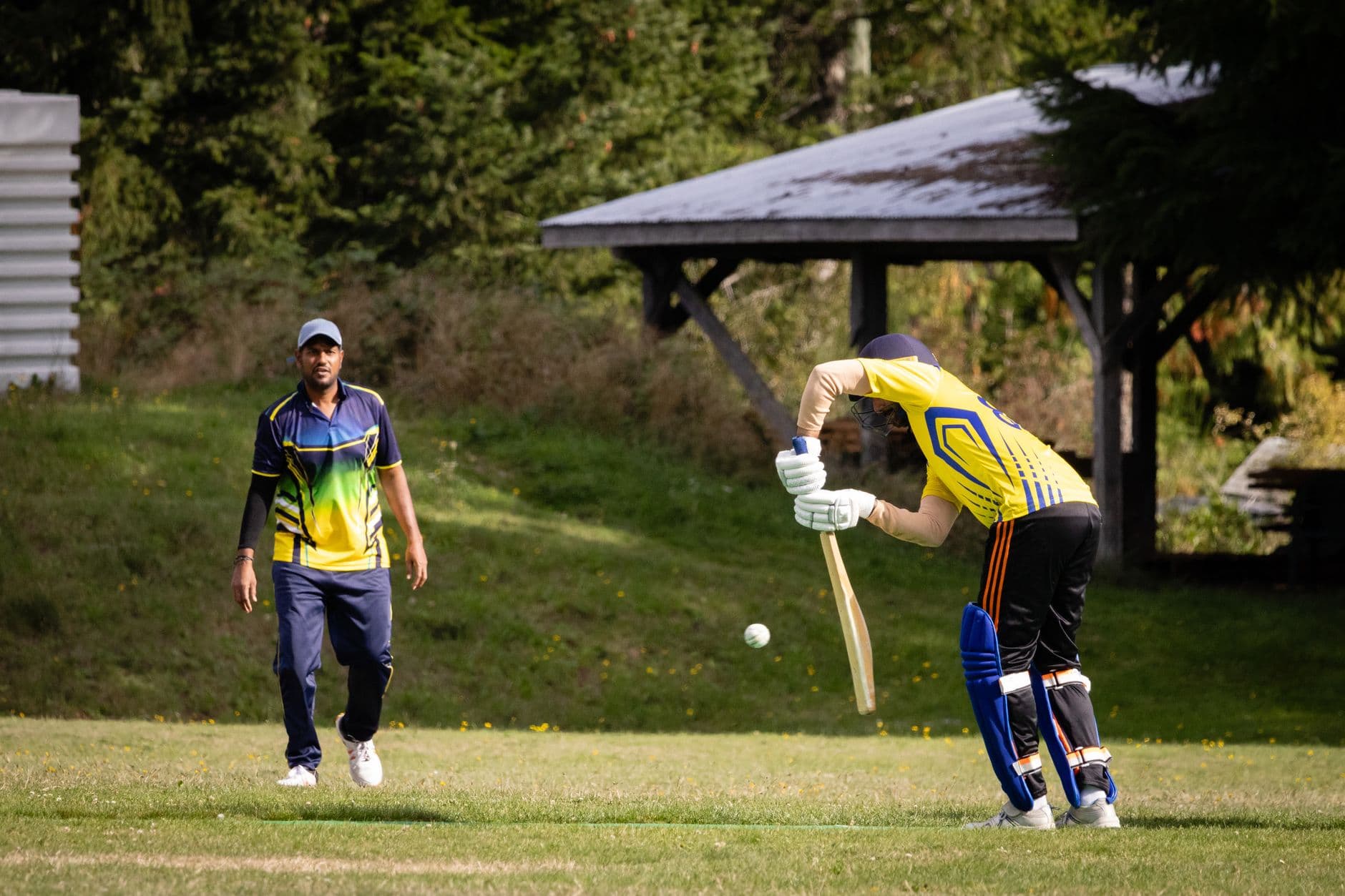
The broader competitive picture reaches well past Jefferson City’s city limits. In CCPL COMO’s 2025 Champions Cup records, Jefferson City Strikers beat ZOU Spartans by 4 wickets on June 23, 2025, beat Columbia Lions by 53 runs on June 20, 2025, beat Columbia Lions by 5 wickets on June 13, 2025, and lost to COMO Tigers by 16 runs on June 9, 2025. Those are not isolated exhibition lines. They show a team playing a steady run of league cricket against familiar central Missouri opponents.
That pattern is reinforced by the Mid Missouri league’s own result line, where Jefferson City Strikers beat IRG by six wickets. Jefferson City Stars are also listed with Byrd Field at Binder Sports Complex as their home ground, which means the city has at least two active teams tied to the same local base. That is the kind of setup that keeps competition alive season after season.
The nearby Columbia cricket scene adds another layer of continuity. Jefferson City Strikers appear against Columbia Lions, COMO Tigers, and ZOU Spartans, which suggests a small but connected regional circuit rather than a one-city pocket of play. When the same names keep showing up across scorecards, rivalries become familiar and the calendar starts to feel like a real season.
Why the Columbia connection matters to Jefferson City
Columbia’s cricket growth strengthens the case that central Missouri is building from the middle outward. An official cricket field has opened at American Legion Park, and the local area now supports both a youth cricket league and an adult cricket league. That gives the region a developmental ladder that reaches beyond one age group or one park.
For Jefferson City, that matters because it places the city inside a broader public-field ecosystem. Cricket is not just finding private space or temporary setups. It is beginning to occupy city parks, shared athletic fields, and organized league structures that can hold attention over time.
That is why Jefferson City’s role matters beyond the local scoreline. Missouri cricket’s future does not have to depend only on the biggest metro centers; it can also grow through steady regional hubs like Jefferson City, where fields, teams, and league records are already giving the sport a durable home.
This article was produced by Prism’s automated news system from verified source data, official records, and press releases, then run through automated quality and moderation checks before publishing. The system is built and supervised by the people who set the standards it runs under. Read our full AI policy.
Did this article answer your question?