Missouri archives reveal cricket’s early history through digitized newspapers
Missouri cricket is easier to reconstruct in newspapers than on social media, and SHSMO’s 8 million-page archive is the best first stop for names, grounds, and clubs.

The State Historical Society of Missouri’s freely searchable newspaper collection reaches back to the July 26, 1808 issue of the *St. Louis Missouri Gazette* and gives you a way to move from one stray match notice to a real local history. If you want to point to a ground on a map, name a player, or rebuild a club’s early years, it is the first stop.
Start with the State Historical Society of Missouri
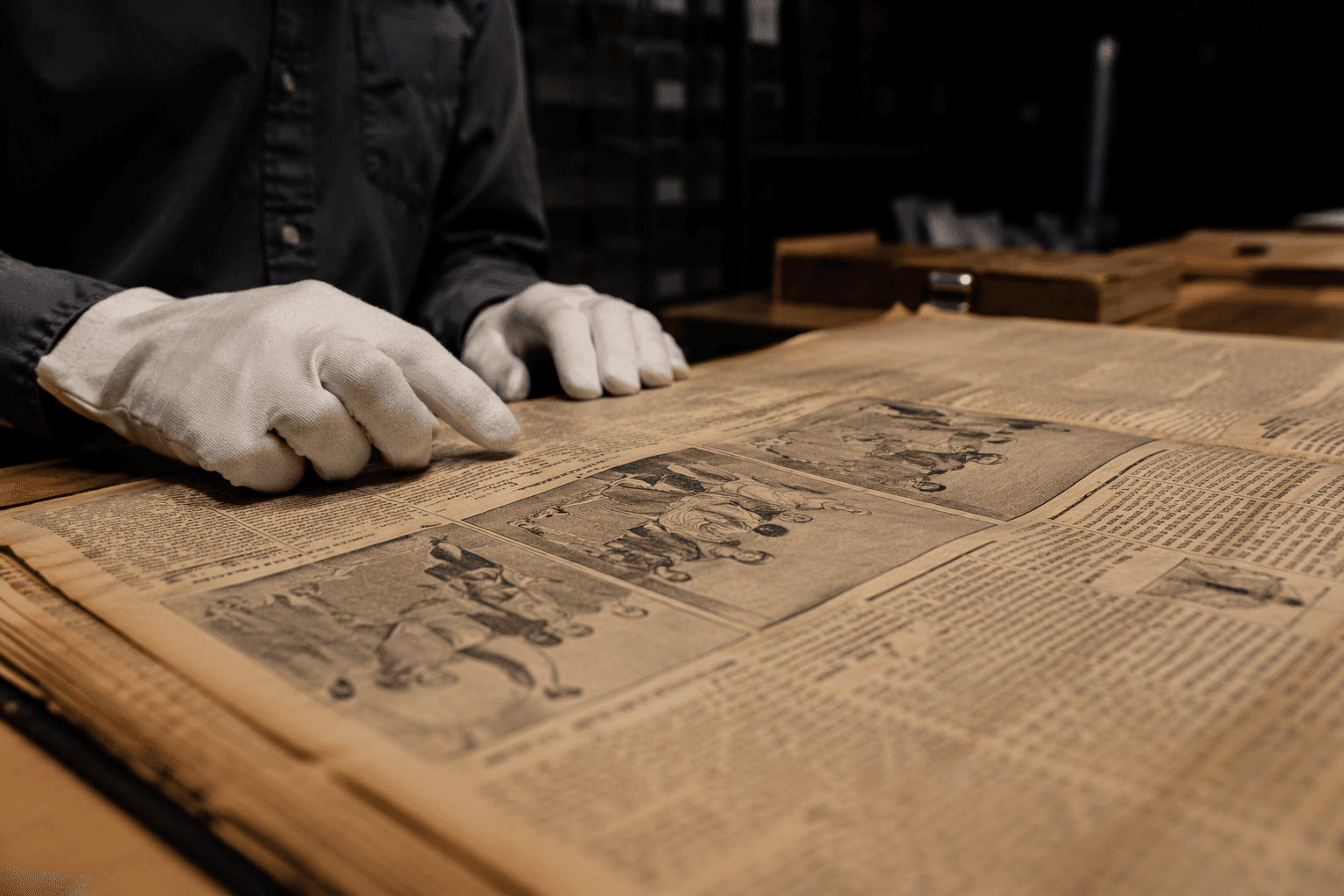
SHSMO’s Missouri Digital Newspaper Program was built to coordinate digitization from every county, and that makes it the strongest entry point for cricket history in the state. The collection now holds more than 8 million digitized Missouri newspaper pages, which is the kind of volume that can turn a club name, a player surname, or a ground reference into something you can actually trace.
The practical value is not just the newspapers themselves. SHSMO’s digital collections also open access to photographs, art, maps, diaries, letters, books, articles, and oral histories when a single newspaper clipping is too thin to stand on its own. Newspaper preservation has been a core mission since 1898, when the Missouri Press Association founded the Society as a depository for Missouri newspapers, and the broader holdings are substantial: more than 56,000 rolls of newspapers on microfilm, more than 9,000 manuscript collections, and more than 8,000 maps.
That mix is exactly what you want when a cricket reference is brief. A newspaper can tell you a club played, but a manuscript collection might identify who organized it, and a map can show where the ground sat relative to a street grid that has since changed beyond recognition.
Use city and county records to pin down the place
The next layer is the St. Louis County Library Digital Archives, which are especially useful when you already have a surname, a neighborhood, or a date range. The archives include Missouri yearbooks, St. Louis newspapers, city and county directories, burial certificates, maps, and atlases, all of which can help you connect a cricket name to an address or a school.
A city directory can show where a player lived, a yearbook can surface school or college cricket participation that never made it onto a modern club page, and an atlas can help you locate where a ground sat in relation to the rest of the city. The library also links to NewspaperARCHIVE.com, a historical newspaper database with tens of millions of pages from 1759 to the present, so it can serve as a second pass when one archive misses a clipping.
Cross-check names with Missouri Historical Society and the Library of Congress
The Missouri Historical Society’s Genealogy and Local History Index is the middle layer that keeps a paper trail from going soft. It lets you search across hundreds of indexed sources, which is useful when a surname shows up in a club roster in one place, a newspaper clipping in another, and a city directory under a slightly different spelling. Founded in 1866, the Missouri Historical Society recommends faceted searching by decade, place, and format because broad keyword searches can be noisy.
The Library of Congress is the best way to widen the lens when a Missouri title seems to disappear for a stretch. Its Missouri newspaper listings and newspaper collections can help identify other titles that existed in a given decade, and its directory for Missouri and Saint Louis returns hundreds of newspaper titles. The listing for the *St. Louis Post-Dispatch* shows the paper began on March 8, 1879, which is the kind of anchor point that helps you place later cricket references in a cleaner timeline.
SHSMO’s frontier-and-pioneer guide adds the larger historical frame. Nineteenth-century newspapers document Missouri’s shift from frontier territory to a mature state with established cities, industry, and educational opportunities.
Verify players, clubs, and scorecards
Once you have a name or a club, CricketArchive is the heavyweight check. CricketArchive lists about 970,000 scorecards and more than 1.7 million players, which means Missouri references do not have to remain isolated newspaper mentions. You can move from a line in a local paper to a structured record that shows who played, where they played, and in what format.
Search like an archivist, not a casual browser
Protoball’s search warning saves hours. Searching only for “cricket” can drag in insects, steamboats, and book titles, so narrower searches like “cricket club,” a club name, a ground name, or even a street or neighborhood usually work better. That is the fastest route from noise to usable evidence.
A practical Missouri cricket workflow looks like this:
- Start with SHSMO and search a club name, player surname, or ground reference in the digitized newspapers.
- Move to the St. Louis County Library Digital Archives to check yearbooks, directories, and maps for addresses and school ties.
- Use the Missouri Historical Society’s index to catch alternate spellings and related local-history material.
- Cross-check older or missing titles through the Library of Congress newspaper directory.
- Finish with CricketArchive to confirm players and scorecards where the cricket record survives in structured form.
This article was produced by Prism’s automated news system from verified source data, official records, and press releases, then run through automated quality and moderation checks before publishing. The system is built and supervised by the people who set the standards it runs under. Read our full AI policy.
Did this article answer your question?