Missouri cricket ground stats reveal where totals and chases tilt sharply
Hazelwood, St. Charles and Bales Park all show the same pattern: score first, then make the other side work hard under pressure.
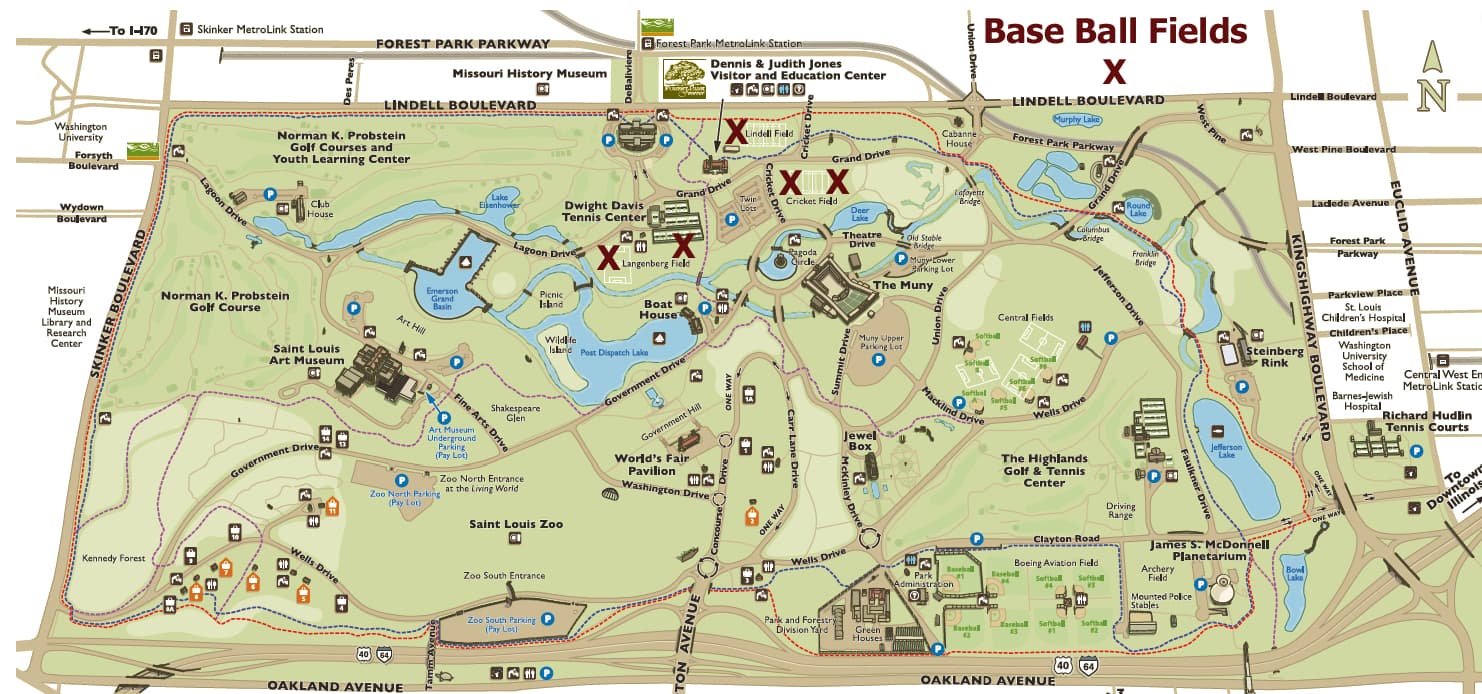
Missouri cricket is no longer a guessing game when you have ground pages that put real numbers behind the toss. At Field 6 in Hazelwood, Muller Park in St. Charles, and Bales Park, the scorecards point to venues where the first innings carries more weight than local chatter usually admits. That matters to captains setting fields, newcomers learning what a par score looks like, and spectators trying to read why one chase stalls while another never gets moving.
Field 6 in Hazelwood shows how a modest total can still be a target
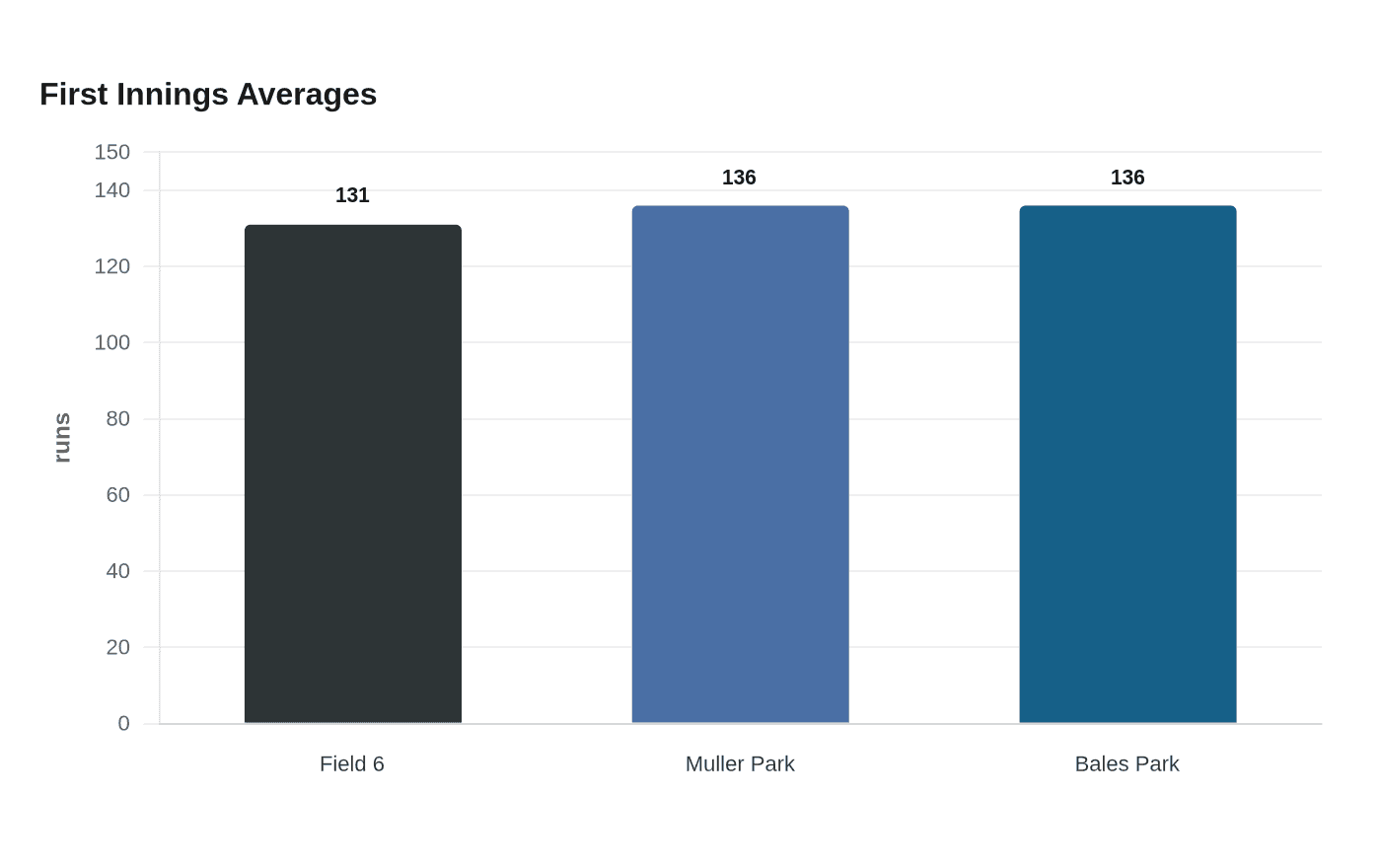
Field 6 is the clearest reminder that a ground does not need giant totals to shape a match. Across 168 matches, the average first-innings score is 131 and the average second-innings score is 107. That gap tells you the venue rewards the side that gets in first and then asks the opponent to deal with scoreboard pressure later.
A first-innings average of 131 is not a mountain, but it is enough to change how a captain thinks at the toss. If your batting order can reach the low 130s without losing too many wickets, you are giving your bowlers something real to defend. If you are chasing there, a calm start matters more than a flashy one, because the numbers suggest the pitch or the game state makes the second half harder to navigate.
Muller Park leans in the same direction, even with a smaller sample
Muller Park in St. Charles tells a similar story, though with a smaller body of matches to study. The page shows 57 matches, with a 136 average in the first innings and 104 in the second. That puts it close to Field 6 in shape, but a touch more generous to the side that sets the total.
For players, that means a score in the mid-130s should not feel safe by default, but it should feel competitive. For a chasing side, the drop from 136 to 104 is the warning light: you are not just matching runs, you are also fighting a venue trend that makes later scoring harder. If you are a scorer or scorewatcher, that is the sort of split that explains why a chase can start well and still end with a squeeze in the final overs.
Bales Park is the sharpest example of the first-innings advantage
Bales Park is where the pattern becomes most obvious. The ground page shows 33 matches, a 136 average first innings, and a 95 average second innings. It also lists 19 wins for the side batting first and 13 for the side batting second. That is the kind of split that tells a captain to value the toss, because the side setting a target has already proven more often to be in control.
The second-innings average of 95 is the standout number here. Once chases are falling below 100 on average, every wicket changes the tempo of the innings, and every quiet over raises the pressure on the batting side. On a ground like this, the best chase plans are usually built around wickets in hand, not just boundary-hunting, because the venue has already shown that the scoreboard can tighten the game on its own.
How to read these ground pages like a captain, not a bystander
The most useful habit is simple: look at the first-innings average, the second-innings average, and the win split before you think about reputation. A ground that averages 131 up front and 107 later is telling you that a par score is not just about runs, but about when they are made. A ground that sits at 136 first innings and 95 second innings is telling you even more plainly that the chase is often the harder part of the job.
Sample size still matters, and these Missouri pages are not all equally broad. Field 6 has 168 matches, Muller Park has 57, and Bales Park has 33, so the bigger sample offers a sturdier read than the smaller one. Even so, the direction of travel is consistent across all three venues: the batting side that goes first tends to hold the cleaner edge, while teams chasing need discipline, not hope.
For captains, the practical takeaway is to build a toss plan around the venue, not around habit. If you land at a ground with a clear second-innings dip, the target is often to bat first and defend with your best control bowlers. If you are forced to chase there, the batting order should be ready to absorb pressure, rotate strike, and keep wickets for the last phase.
For newcomers, these numbers are a shortcut into the local game’s language. Instead of asking whether a ground is “good for batting” or “good for bowling,” ask what the innings split looks like and how often the side batting first has turned that into wins. That is the difference between casual opinion and real match reading, and Missouri has enough data now to make that distinction useful.
For spectators, the same numbers make a match easier to follow. A chase that slips under a 100 average on the back end will often feel tense long before the final over. A first-innings total in the mid-130s at one of these venues can be more valuable than it looks on paper, because the ground itself may be doing part of the defending.
Missouri cricket grounds are leaving a paper trail now, and the useful part is not just the totals. It is the shape of the innings, the widening gap between the first and second halves, and the way that gap changes how teams should bat, bowl, and plan before the first ball is even bowled.
This article was produced by Prism’s automated news system from verified source data, official records, and press releases, then run through automated quality and moderation checks before publishing. The system is built and supervised by the people who set the standards it runs under. Read our full AI policy.
Did this article answer your question?