Missouri cricket leans on indoor domes to keep training alive year-round
Missouri cricket doesn’t wait for spring. Domes, cages, and early winter sign-ups keep kids, club players, and beginners in the game when outdoor wickets close.
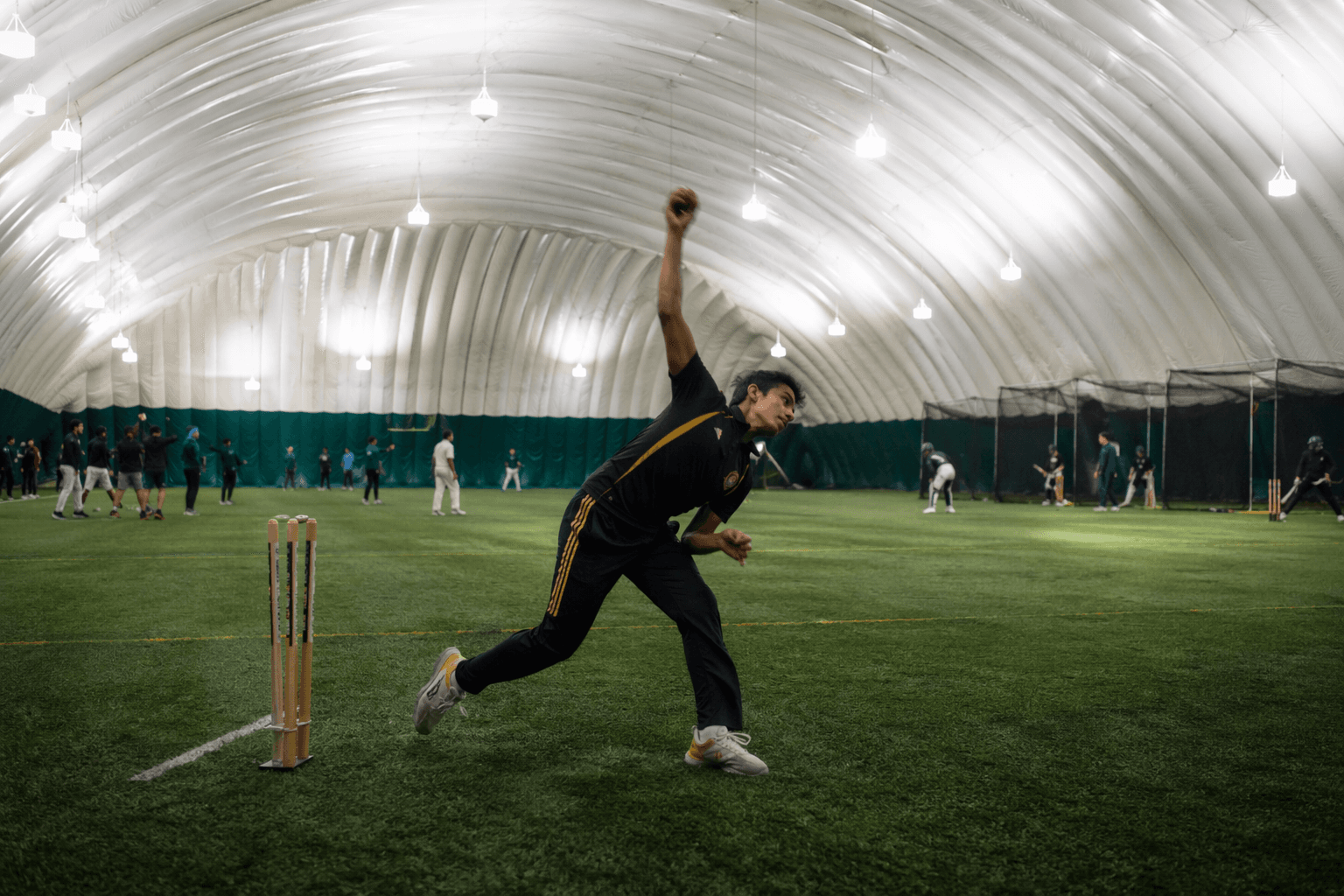
When Missouri turns cold, cricket does not go dormant. The sport keeps moving under roofs, in batting cages, and through winter registration forms that turn a frozen calendar into a workable training plan. For kids, beginners, and club players alike, the real gateway is not just a match day in a park, but the indoor space that keeps batting, bowling, and fielding reps alive.
Where the winter season actually lives
Bud Dome is the clearest example of how Missouri cricket survives the weather. The complex says it offers more than 88,000 square feet of playing surfaces, with turf fields, batting cages, and hardwood courts, and it explicitly markets that footprint as year-round practice space that is not restricted by weather. For cricket, that scale matters because it gives teams room to keep the basics sharp instead of letting weeks of rain or freezing ground break the rhythm.
The details on the field map tell the story even better. Bud Dome lists a turf infield that measures 135 by 110 feet, plus two hanging batting cages, each 80 by 16 feet. That combination is not a luxury add-on for Missouri cricket. It is the practical middle ground between a full outdoor ground and the kind of stop-start training that happens when everyone is waiting on usable grass.
St. Louis Impact’s practice-facilities page makes the winter use case explicit. Its winter practices primarily take place at Bud Dome Training Complex, and the dome is used when outdoor practice is not possible. That is the kind of detail families and club players can actually plan around: if the outdoor wicket is shut down, the training cycle does not end. It just shifts indoors.
What the indoor setup gives players
Indoor turf is the first reason Missouri cricket keeps working in winter. It offers a steadier surface than a patchy outdoor field, which means players can build repeatable footwork and bowl with more consistency. Batting cages do something different but just as important: they compress repetition. Instead of waiting for a whole side, a player can stack delivery after delivery and work on timing, shot shape, and contact.
That is why a dome with room to move becomes more than a shelter. It can support game-like drills, running between wickets, throwing work, and fielding patterns that are hard to preserve when the weather pushes everyone inside for the season. Bud Dome is not a cricket-only facility, but the turf infield and the two long batting cages make it function like a serious winter training base when Missouri conditions shut down the outdoor side.
This is also where the community side of the sport shows up. St. Louis Impact’s winter use of Bud Dome puts established club cricketers in the same indoor ecosystem that newer players use for reps and repetition. The setup works because it serves more than one level of the game at once: kids learning the basics, adults trying to stay sharp, and teams trying to keep a practice structure intact.
How American Cricket Academy turns winter into a season
American Cricket Academy makes the indoor calendar even more concrete. Its signup page offers a dedicated Indoor Registration Form, and its contact page points winter practice to Next Level Golf in Chesterfield. The same organization describes separate summer practice arrangements, which shows that indoor cricket is not an emergency backup here. It is a formal part of the year.
The academy’s own mission and news pages lay out the rhythm plainly: an April-October outdoor session and a January-March indoor session. That split gives Missouri families a workable calendar. Outdoor cricket handles the warmer stretch, while the indoor block keeps technique work, repetition, and team routines going through the months when weather would otherwise interrupt everything.
The academy’s growth also helps explain why the indoor season matters. It says it began in July 2015 with six kids and was built by a small group of parents. A 2019 St. Louis Public Radio report put its membership at about 300 players, and newer coverage says the organization now describes itself as serving more than 200 athletes. Those numbers point to something bigger than a single practice group: a youth pipeline that has grown into leagues, camps, and programming large enough to need a real winter structure.
Why timing registration matters
If you want a winter spot, the calendar matters as much as the kit bag. The January-March indoor session is the key block, and the Indoor Registration Form is the way into it. Families who wait for the first cold snap are already behind the rhythm of the season, because the academy’s model is built around moving players from indoor work into the April-October outdoor stretch.
That timing makes sense in a state where the winter can erase outdoor practice with very little warning. The indoor session is where players clean up technique, get more ball contact, and stay attached to a team structure while the fields outside are unreliable. In practical terms, that means the offseason is not dead time at all. It is the part of the year when the sport quietly does its most useful work.
The wider Missouri cricket map
Missouri cricket is bigger than one dome or one academy. Informal cricket in St. Louis dates back to around 2010, and the Saint Louis Cricket League expanded from 4 teams in 2012 to 22 teams in 2023. The pages for the Missouri Premier Cricket League and the St. Louis Minor Cricket League show the same thing from another angle: organized play already has a foothold in the state, even if the infrastructure is still uneven.
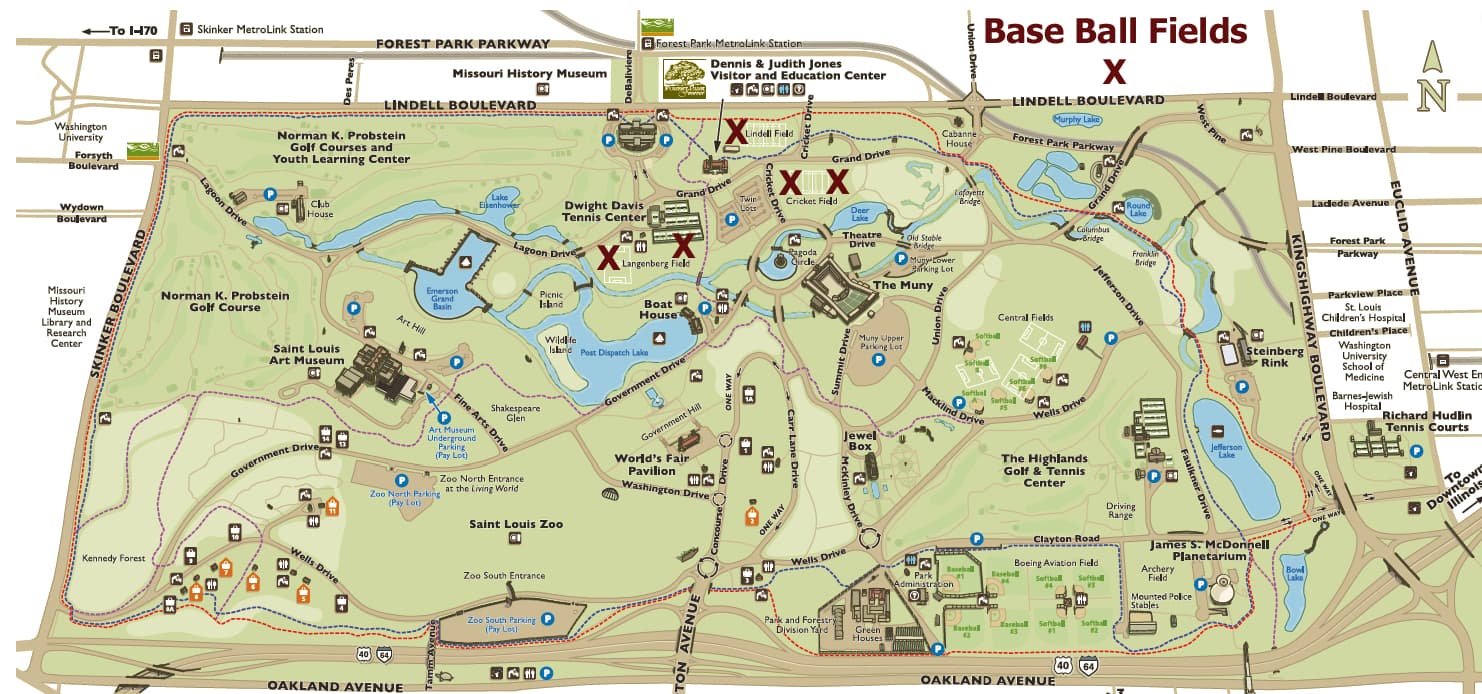
The outdoor side matters too. BaratHaven Park in Dardenne Prairie opened in 2017 as a dedicated practice-and-play home for American Cricket Academy, and Forest Park in St. Louis has a Cricket Field that can be permitted through the parks department. Put together, those places show a sport building a dual system, with public fields for the warm months and domes, cages, and indoor registration for the months when weather would otherwise break the cycle.
That is the real Missouri cricket survival guide: know the dome, know the cage, and know when the indoor session opens. When the cold closes the grass, the sport keeps moving in Chesterfield, Dardenne Prairie, Forest Park, and under the big roof at Bud Dome.
This article was produced by Prism’s automated news system from verified source data, official records, and press releases, then run through automated quality and moderation checks before publishing. The system is built and supervised by the people who set the standards it runs under. Read our full AI policy.
Did this article answer your question?