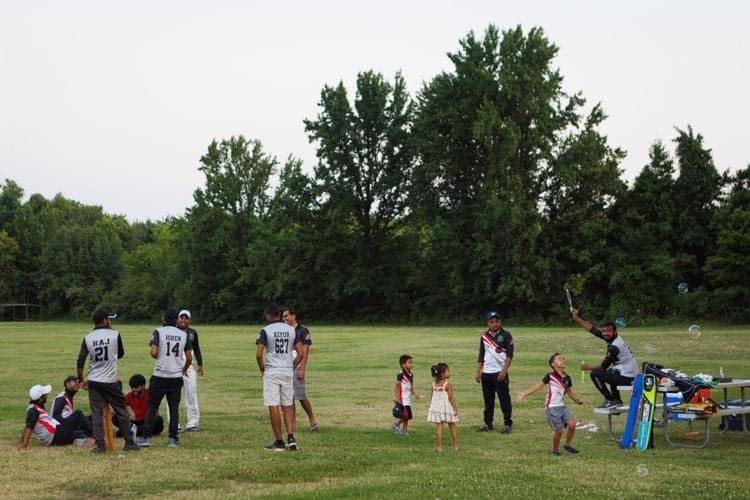
Patels, St. Louis cricket clubs reveal Missouri's community roots
Missouri cricket makes more sense once you read the club names: family networks, coaching institutions, and Bales Park tell you exactly how the scene is organized.
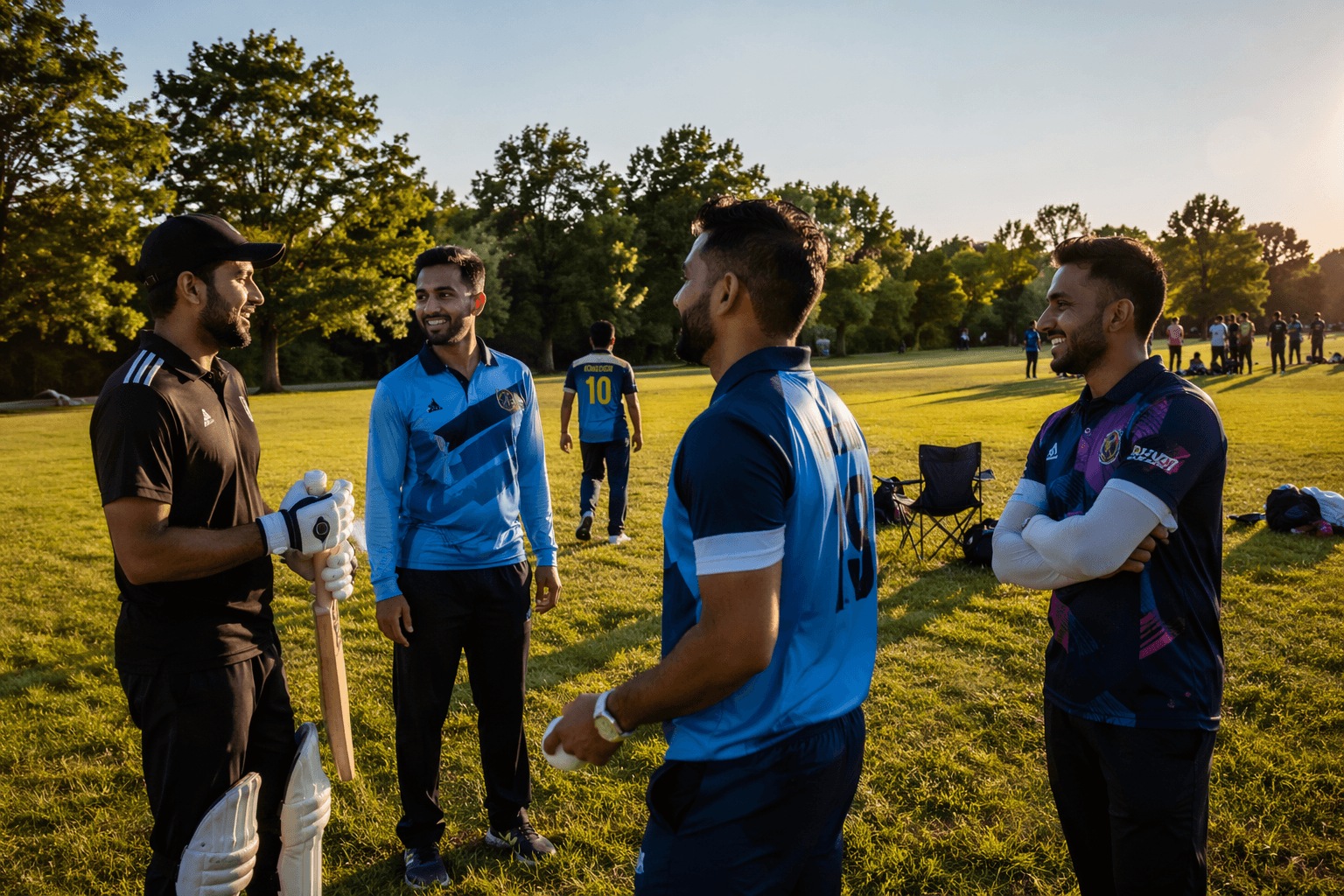
Patels is not just a team name in Missouri cricket. It is a signpost that points to who built the club, who still keeps it going, and where a newcomer is most likely to find the action. The Saint Louis Cricket League’s team pages put that on display with a current Patels squad led by captain Raj Patel, vice captain Hari Patel, 18 listed players, and Bales Park as the home ground.
Read the club name like a map
The useful trick in Missouri cricket is to treat the club name as a clue, not a label. Patels tells you there is family continuity and a community network behind the side, not a one-off rec team that appeared for a season and vanished. American Cricket Academy points in a different direction, toward coaching, structure, and institution-building, while Saint Louis Cricket League signals the larger competition framework that makes the whole scene legible.
That mix matters because it shows how the local game is organized around belonging first and scorekeeping second. The STL Mosaic Project places St. Louis Patels Cricket Club alongside Saint Louis Cricket League and American Cricket Academy in its cricket connections list, which is a strong hint that the club is visible beyond its own scorecards. For a newcomer, that is the practical takeaway: the name usually tells you whether you are looking at a family side, a training outfit, or the league itself.
Bales Park is the real anchor
Bales Park is where the Patels stop being a name on a screen and become a club you can actually find. The Saint Louis Cricket League team page lists Bales Park as their home ground, and the 2025 Summer team list puts Patels there again, with Raj Patel and Hari Patel attached to the squad. The same league listing also places Stallions at Bales Park, which shows this is not a private patch of grass reserved for one group.
That recurring ground is the kind of detail that tells you the Missouri scene has an addressable footprint. Bales Park is not just a backdrop for one team photo. It is part of a shared league network, and that gives the area a kind of cricket density that makes casual attendance, pickup connections, and word-of-mouth entry much easier than in a scene spread thin across random fields.
The leadership shifts, the community stays put
One of the most revealing parts of the league listings is how often the captaincy changes while the club name stays fixed. Other Saint Louis Cricket League pages show Patels with captains including Parth Patel, Jigar Patel, Keyur Patel, and Raj Patel across different seasons and formats. That suggests a living community structure, where leadership rotates inside the same network rather than a club being rebuilt from scratch every year.
The numbers back that up. The league pages show Patels with 16, 18, and 19 players in different listings, which is enough to tell you this is a sizable, active squad rather than a symbolic entry. It also tells you the club name is bigger than any one player. Raj Patel might captain one side, Hari Patel might be vice captain, and another season may put Parth Patel or Keyur Patel in charge, but the club identity remains stable.
For someone trying to fit in, that is the important read. You are not walking into a scene where every team is anonymous. You are walking into a league where names carry memory, and where leadership often reflects family and community ties as much as batting order.
The league itself is built around multiple home grounds
The Saint Louis Cricket League listings show a broader structure with dozens of teams and multiple home grounds, including Bales Park and Love Park. That matters because it tells you Missouri cricket is not clustered around a single club or a one-field novelty. It is organized like a real local circuit, with teams spread across a set of familiar parks and repeated match sites.
That is also why the city side of the story matters. The City of St. Louis says Forest Park has five rugby fields, including one cricket field, and the city’s Parks Division operates 108 parks covering 2,956.35 acres. So when cricket shows up in St. Louis, it is drawing on public park infrastructure, not just private land or temporary setups. The sport has a physical footprint, and the city’s parks system helps explain how that footprint stays visible.
Where the civic system meets the club system
St. Louis also gives cricket a broader recreational frame. The city’s Recreation Division says it offers organized sports and other programs for residents, which helps explain why clubs can plug into a wider sports culture instead of operating entirely on their own. The city also points to the St. Louis Sports Commission as an independent, privately funded nonprofit that benefits the region through sports, another sign that the local environment is built to host organized competition.
That civic structure does not erase the community roots. If anything, it makes them easier to see. Missouri cricket clubs still announce themselves through surnames, coaching identities, and family leadership, even as they compete inside a city system with parks, recreation programming, and regional sports infrastructure. That is why Patels is such a useful case study: the team name, the leadership, the home ground, and the league all fit together without any need for translation.
The simplest way to understand Missouri cricket is still the best one. Read the club name, find the ground, check the captaincy, and look for the same family or community thread showing up across seasons. In St. Louis, that thread runs straight through Patels, Bales Park, and the league pages that keep the whole scene visible.
This article was produced by Prism’s automated news system from verified source data, official records, and press releases, then run through automated quality and moderation checks before publishing. The system is built and supervised by the people who set the standards it runs under. Read our full AI policy.
Did this article answer your question?