Saint Louis University club sports help cricket take root on campus
SLU's club-sports setup gives Missouri cricket a real runway: student interest becomes a charter, a field, funding and a team that can outlast one graduating class.
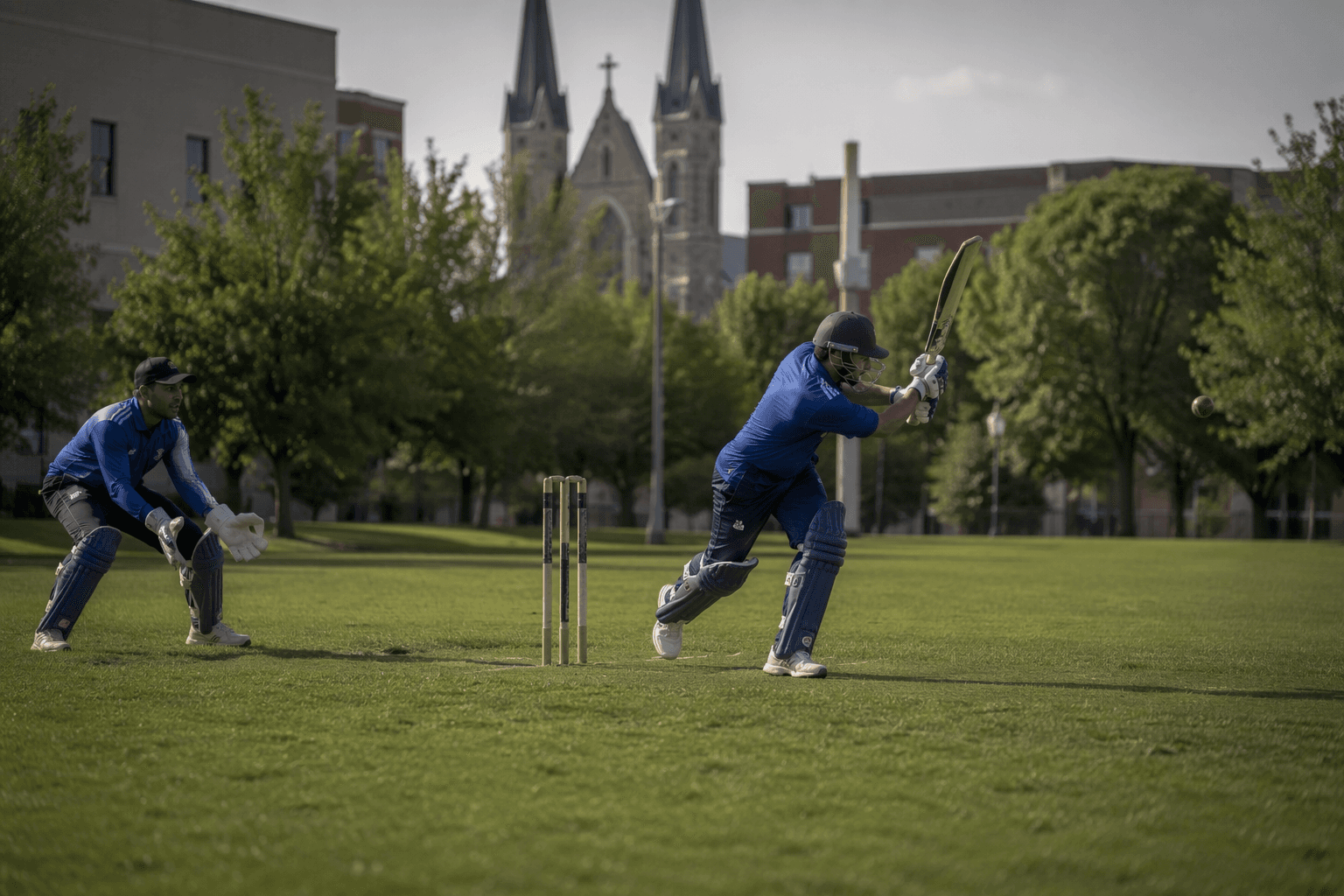
Cricket in Missouri is not going to break through on a varsity rescue mission. The path that actually works is smaller, messier and much more durable: a club-sports system that catches a pocket of student interest, gives it a structure, and keeps the team alive after the first wave of players graduates.
That is what Saint Louis University has built. A 2024 SLU profile said a group of international graduate students had started organizing around the idea of a cricket club, and that detail matters because it shows how the sport usually begins on campus: not with a stadium announcement, but with a few players who need a place to keep playing.
Why club sports are the real pipeline
If you want cricket to stick in Missouri, club sports are the only realistic pipeline that matches the way students actually move through college. The roster changes every few semesters, interest comes and goes, and the team only survives if the institution already knows how to absorb a new crop of players.
SLU’s club-sports ecosystem is built for exactly that kind of turnover. The university says it supports more than 900 students across nearly 30 sport clubs, and its broader student-organization network includes 200-plus student organizations and 3,100 student meetings, practices and events every year. That is not just a nice extracurricular menu. It is the scaffolding that lets a niche sport become part of campus life instead of a one-semester experiment.
The same logic shows up in the way SLU handles new organizations. Students who do not find a fit can work with the Student Involvement Center to start their own organization through SLU Groups, and sport clubs register with the Student Government Association and the Department of Campus Recreation and Wellness. Once chartered, clubs can receive SGA funding and raise money through dues, ticket sales or fundraisers. That combination, charter plus funding plus a clear route for new groups, is what a sport like cricket needs when the student body turns over every four years.
How SLU turns interest into a team
SLU does not treat club sports as an afterthought. The Student Involvement Center hosts Student Organization Leadership Development workshops each semester, which gives student leaders a place to learn the boring but essential parts of keeping a team alive: how to recruit, how to organize, how to hand off responsibilities without losing the whole operation in the process.
That matters for cricket more than it does for a lot of other club sports because cricket clubs often start with a small core of players who already know the game. SLU’s setup gives that group a way to move from casual interest to a functioning roster, then from roster to an actual schedule. The cricket team already plays nearby opponents including Washington University in St. Louis, St. Louis College of Pharmacy and the University of Missouri-Columbia, which gives the club something even more important than enthusiasm: consistent competition close enough to make scheduling realistic.
The field piece is just as important. SLU says the team practices on Laclede/Vandeventer Field, just west of the Village Apartments on campus. For a club like this, a regular place to train is not a detail. It is the difference between a team that exists on paper and one that can actually take ground balls, work nets and get through a season without chasing open space all over St. Louis.
What WashU and Mizzou add to the map
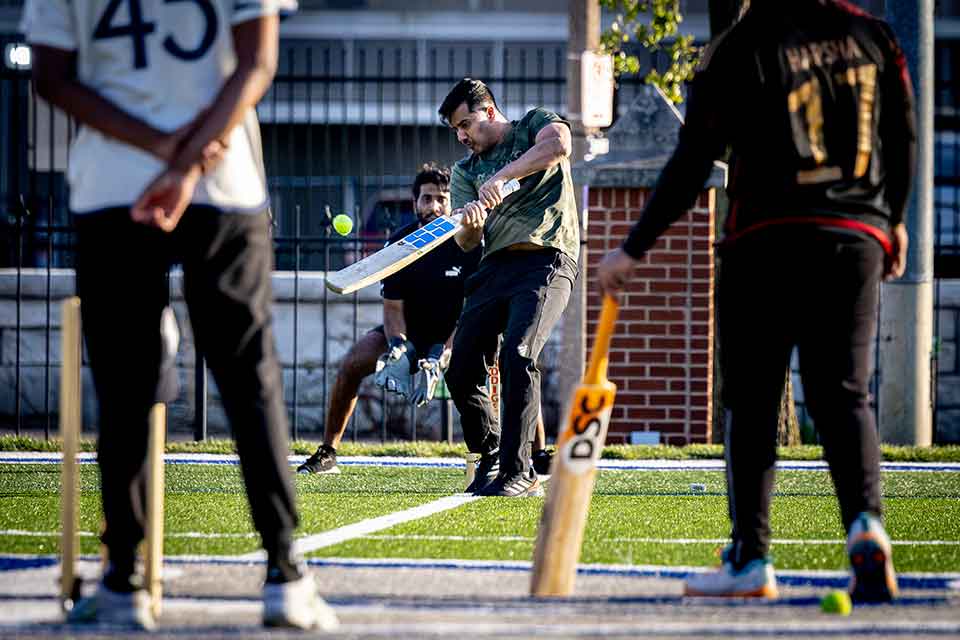
SLU is not doing this alone, and that is part of the point. Washington University in St. Louis says its club-sports program includes 40 clubs and is student-run, with South Campus serving as the practice and competition site for many of those teams. The campus says South Campus has a lighted artificial turf field and other facilities, and that the site was formerly Christian Brothers College High School.
That gives the Missouri cricket scene something valuable: another campus with its own student-led club structure and a real practice site. When WashU can host club-sport activity on South Campus, it makes the regional network stronger. Cricket does not need a varsity conference to build momentum if nearby schools can meet regularly, share opponents and keep the game active across semesters.
The University of Missouri adds another layer, and its club-sports handbook reads like a blueprint for sustainability. Mizzou says club sports are student-led, student-run organizations that compete against other colleges and universities. The programs are administered by MizzouRec and collectively form the Mizzou Club Sports Federation, which is meant to promote student leadership, participation, healthy lifestyles, campus and community involvement and community atmosphere.
Mizzou also spells out the money side plainly. Club-sports funding usually comes from membership dues, fundraising and student-fee allocation through the federation, and athletic scholarships are not awarded to club athletes. That is the hard reality of club cricket in Missouri. It survives because it is affordable enough, organized enough and student-driven enough to keep moving without scholarship money.
What Missouri campuses need to copy
The campuses that want cricket to grow beyond novelty should stop looking for a varsity-sized solution and start copying the parts of SLU, WashU and Mizzou that actually keep student teams alive.
- Give the club a formal home inside student life, not just a friendly nod from rec sports.
- Make the route to recognition obvious, including a charter, funding access and a place to register.
- Put a field behind the idea, because cricket without a repeatable practice space dies fast.
- Train student leaders every year so the club does not collapse when one graduating class leaves.
- Build basic risk and operations rules early, including emergency planning, equipment responsibility and facility checks.
Mizzou’s risk-management rules show how serious that last piece is. Club sports there require a designated Risk Manager, hold-harmless and anti-hazing agreements, first-aid preparedness and facility inspections. That is the unglamorous side of the sport, but it is exactly what keeps a club from disappearing the moment it runs into a paperwork problem or a safety issue.
The real blueprint is sitting in plain sight across these campuses. SLU shows how interest becomes a chartered club, WashU shows how a campus can keep club sports rooted in a dedicated home, and Mizzou shows how governance, funding and risk rules keep the whole thing from fraying. Cricket in Missouri is taking root because student clubs can survive the churn that varsity programs are built to outlast only with much bigger budgets. At SLU, the game already has the one thing every new campus sport needs most: a structure that lets it come back next semester.
This article was produced by Prism’s automated news system from verified source data, official records, and press releases, then run through automated quality and moderation checks before publishing. The system is built and supervised by the people who set the standards it runs under. Read our full AI policy.
Did this article answer your question?