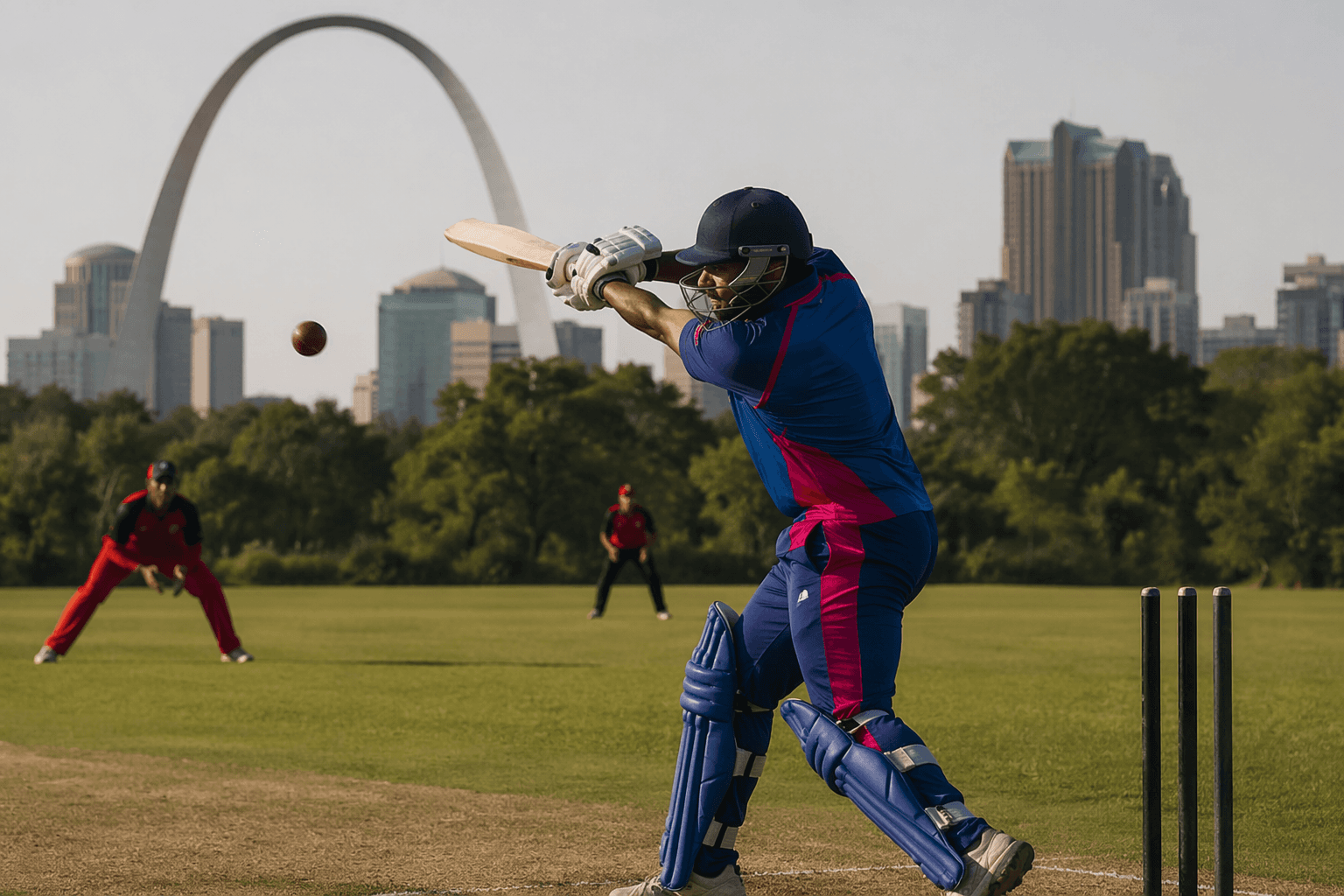
St. Louis cricket grows through migration, clubs, and community ties
St. Louis cricket has grown into a community game rooted in migration and everyday ties, not just weekend sport. Its strength comes from players who keep showing up on shared fields and open spaces.
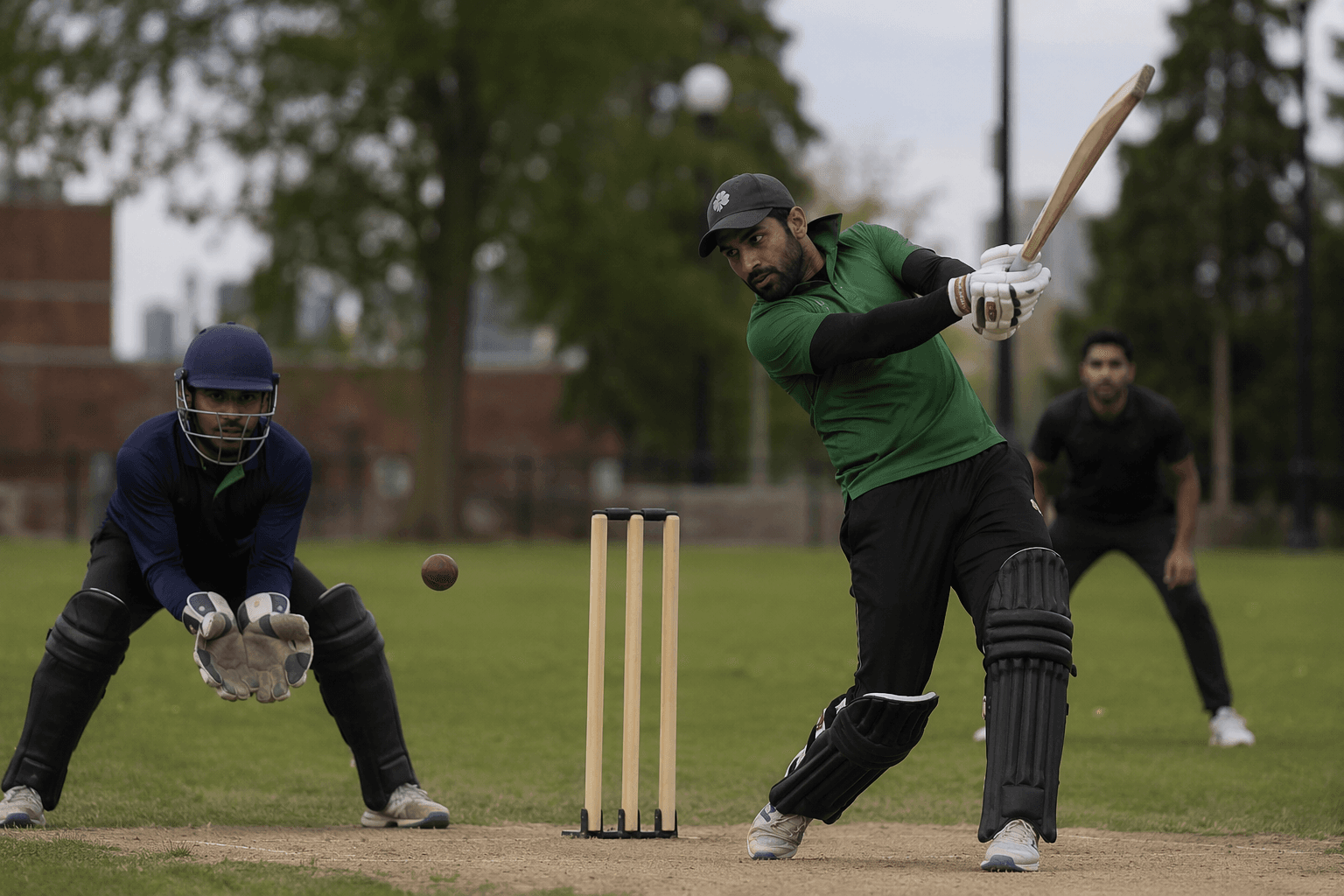
A city game built by migration
St. Louis cricket has taken hold by following the people who brought it here. In a metro area still better known for baseball, hockey, soccer, and college sports, cricket has found its footing through local clubs, informal organization, and the steady work of communities that treat the game as part of daily life.
The player base reflects that path. South Asian, Caribbean, African, British, and other expatriate communities have all helped shape the local scene, along with students and professionals who arrived in Missouri already committed to the sport. That mix gives St. Louis cricket a distinctly communal feel. For many families and social circles, it is not just a pastime but a way to stay connected to home, culture, and fellowship.
What stands out most is how naturally the game fits into that social role. Cricket in St. Louis is not dependent on big crowds or mainstream visibility. It has grown through networks of people who know one another, organize around shared interests, and keep the game moving from one gathering to the next. In that sense, the sport has become a durable part of the city’s community fabric.
Who keeps the game going
The local cricket scene is sustained by a broad mix of players and organizers who bring different backgrounds into the same orbit. That diversity matters because it expands both the social base of the sport and the ways people connect to it.
- Families use cricket as a bridge between generations and places.
- Students and professionals often bring fresh energy and experience from elsewhere.
- Expatriate communities provide continuity, structure, and familiarity with the game.
- Local clubs and informal groups turn shared interest into regular play.
This is part of why cricket in St. Louis feels less like a novelty and more like a working community tradition. The sport persists because people attach meaning to it, not because it is widely promoted. That gives the scene a resilience that can be easy to miss from the outside.
Where cricket fits in the city
St. Louis does not have to look like a traditional cricket stronghold for the game to matter here. Its footprint is limited, but it is stable enough to support regular play. Matches are typically staged on shared public fields, suburban grounds, and flexible open spaces rather than on purpose-built cricket facilities.
That reality shapes the whole rhythm of the local game. Scheduling depends on what spaces are available. Teams and organizers work around existing fields instead of waiting for dedicated infrastructure. The result is a scene that stays modest in scale while still remaining active and accessible to the people who need it.
This kind of setup also tells you a lot about how cricket survives in the region. St. Louis cricket has adapted to the city it is in. It uses the spaces that already exist, and it depends on communities willing to make those spaces work. That practical flexibility is one reason the game has endured even without a large public profile.
Why the scene remains durable
The key to cricket’s staying power in St. Louis is not volume, but consistency. A dependable core of players, families, and organizers is enough to keep the sport visible and active. The game does not need to become a national destination to be meaningful locally.
That is especially important in a city where niche sports often live or die by dedicated networks rather than broad public attention. Cricket’s survival here shows how community ties can matter as much as facilities. When people keep arriving, organizing, and playing, the sport remains part of the landscape.
The city’s gradual diversification has also helped. As more communities have made St. Louis their home, cricket has found more places to root. The game becomes both a recreational outlet and a cultural anchor, especially in households and social circles where staying connected to cricket carries personal meaning.
What to understand about cricket in St. Louis
For anyone trying to make sense of the local scene, the main lesson is straightforward: cricket here is built from people first, places second. The communities around it are the real infrastructure, and the fields are simply where that energy shows up.
The sport’s practical strength comes from three things working together: migration, clubs, and community ties. Migration brought the game’s players and traditions. Clubs and informal networks gave it organization. Community ties gave it staying power. Put together, they have made St. Louis cricket modest in scale but secure in purpose.
In a city still identified most strongly with other sports, cricket endures by staying close to the people who care about it. That is why it has grown here at all, and why it continues to matter: not as a spectacle, but as a living part of community life.
This article was produced by Prism’s automated news system from verified source data, official records, and press releases, then run through automated quality and moderation checks before publishing. The system is built and supervised by the people who set the standards it runs under. Read our full AI policy.
Know something we missed? Have a correction or additional information?
Submit a Tip