Beginner-Friendly Crochet Tomato Pattern Makes a Playful Amigurumi Project
This tiny crochet tomato is a fast beginner win, with a clean shape that can become a plushie, decor, or a keychain in one short sitting.

Why this tomato pattern lands so well
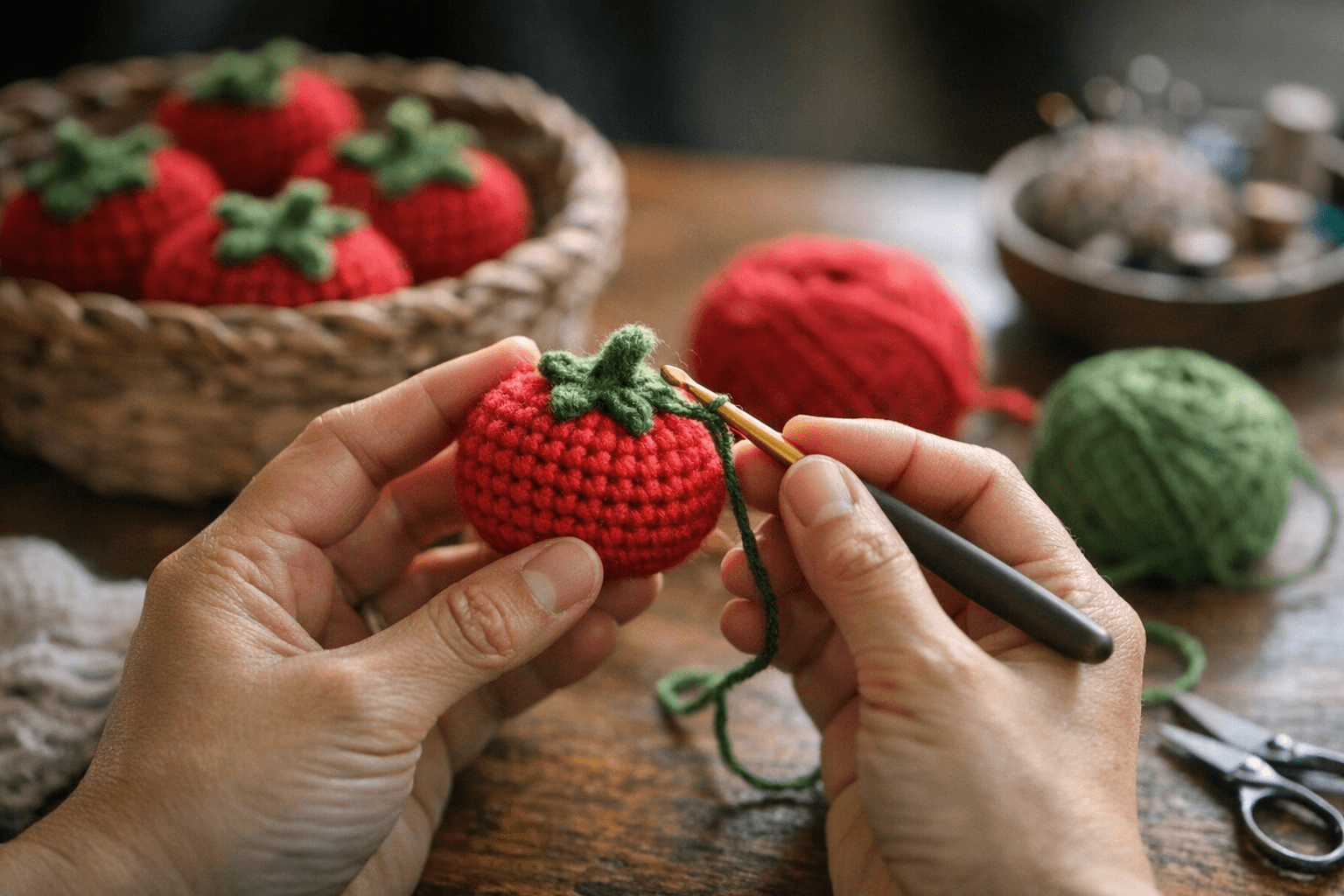
A tiny tomato is one of those crochet projects that looks almost too simple to matter, until you hold the finished piece in your hand. The free pattern from The LILI Path, dated April 21, 2026, calls itself extremely beginner-friendly, and that is exactly the point: it gives you a recognizable finish without the usual amigurumi panic over complex shaping. Because the finished tomato can be used as a plushie, decor piece, or keychain, it also clears the biggest hurdle for a lot of crocheters, which is figuring out what to do with the make once it is done.
What makes this one especially smart is that the design does not try to hide its simplicity. The tomato is basically a large red ball, then the leaves and stem are added as a separate finishing step. That means you get the confidence boost of one clean shape first, then the satisfying little details after, instead of wrestling with a fiddly construction from the start. For newer crocheters, that is often the difference between finishing something and abandoning it halfway through.
A beginner-friendly build, broken into four clear parts
The tutorial is laid out in a practical way, with abbreviations, materials, and four distinct sections: tomato, leaves, stem, and assembly. That structure matters more than it sounds like it should. When a pattern is divided this cleanly, you are never staring at a wall of instructions and guessing which part comes next. You can work one section, check it off, and move on.
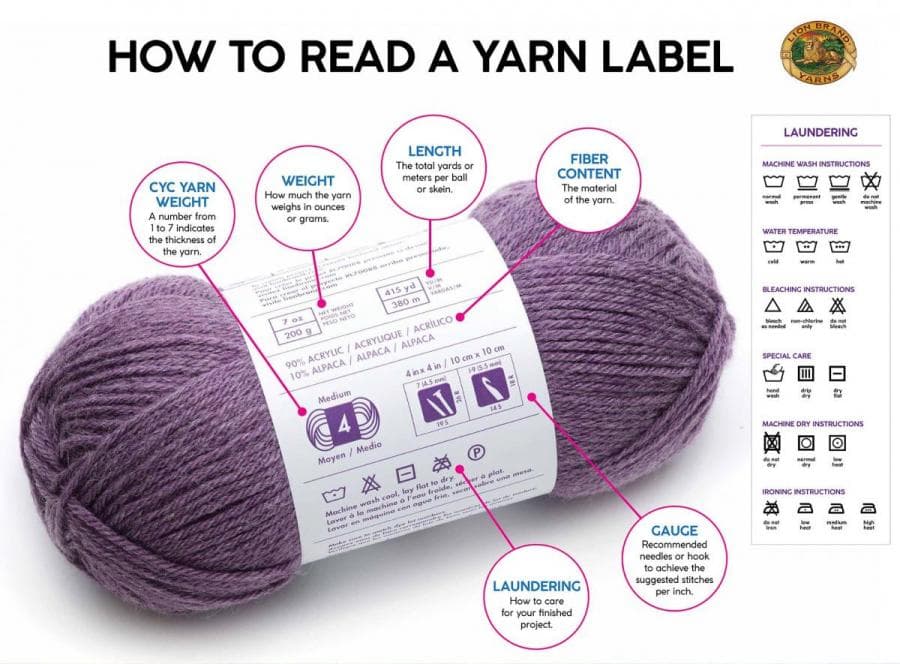
The materials list stays refreshingly small: cotton yarn, a 3.5 mm hook, stuffing, and a glue gun for finishing details. That tells you a lot about the project’s scale. This is not a stash-clearing monster with obscure notions and specialty wire, it is a tidy little make built for speed and polish. Cotton yarn also makes sense here because a tomato wants a crisp, defined shape, not fuzzy bulk.
The step-by-step construction leans on the staples that make amigurumi feel possible in the first place. The pattern uses a magic ring, increases, decreases, and stuffing before closure, which is about as classic as it gets for small stuffed crochet. If you have ever hesitated over amigurumi because the instructions looked intimidating, this is the kind of pattern that proves the basics are enough.
Why food amigurumi keeps winning with crocheters
Food-themed amigurumi keeps showing up because it solves a few problems at once. It is cute without being vague, small without being boring, and instantly recognizable even when the piece is only a few inches across. A tomato also has a perfect shape for beginners: round, symmetrical, and forgiving if your tension is not identical from round to round.
That broader appeal fits the history of the craft. Britannica describes crochet as a craft that developed in the 19th century, and it notes that it spread to Ireland in the late 1840s as a famine relief measure. Amigurumi, meanwhile, is widely described by Britannica and LoveCrafts as a Japanese craft tradition. In other words, this little tomato sits inside a much bigger handmade lineage, one that has always mixed utility, comfort, and play.
The appeal of amigurumi is also practical. Interweave points out that these patterns often use only a few basic stitches and can be quick to make, which is why they work so well as a beginner entry point. LoveCrafts specifically highlights beginner amigurumi projects that practice magic circles or rings and single crochets, and All About Ami notes that most amigurumi uses single crochet, with increases creating those rounded shapes everybody wants. That is exactly why a tomato feels like such a natural first project: it uses the same few skills repeatedly until the shape clicks.
Food makes especially good amigurumi because the category is wide open. LoveCrafts includes vegetables, pizza slices, sea creatures, tool sets, submarines, and more in the amigurumi universe, which tells you how flexible the style really is. A tomato is one of the simplest, most readable entry points into that world. It gives you the visual payoff of a themed object without demanding complicated anatomy or multi-piece assembly.
What to make with it after you finish
The best part of this pattern is that it does not lock you into one use. A finished tomato can sit on a desk as a mascot, brighten a kitchen shelf as decor, or clip onto a bag as a tiny keychain. That versatility is a huge reason small amigurumi keep spreading, because the same object can feel like a toy, a collectible, or a gift depending on how you finish it.
- As a plushie, it is fast, soft, and friendly enough for a beginner win.
- As decor, it reads immediately as a tomato, which gives it a playful kitchen or craft-room vibe.
- As a keychain, it becomes the kind of small, sturdy project people actually carry around.
The glue gun in the materials list also hints at that cross-use appeal. It suggests the maker is expected to clean up details and finish the piece neatly, which matters when the goal is not just to crochet a tomato, but to make one that looks intentional on a shelf or from a key ring. Small projects live or die on finish quality, and this pattern seems built with that in mind.
Why this is the right kind of beginner project
A lot of beginner patterns promise easy and then quietly bury the hard part in the shaping. This tomato does the opposite. It keeps the construction simple, the materials minimal, and the end result obvious from the first round, which is exactly what keeps new crocheters motivated. The appeal is not just that it is easy, it is that it is easy and useful.
That combination is why food amigurumi keeps earning its place in crochet queues. It gives you a fast win, a recognizable object, and multiple ways to use it once the last stitch is closed. This tomato nails that formula so cleanly that it feels less like a novelty and more like a smart little master class in how to make beginners want to keep crocheting.
This article was produced by Prism’s automated news system from verified source data, official records, and press releases, then run through automated quality and moderation checks before publishing. The system is built and supervised by the people who set the standards it runs under. Read our full AI policy.
Did this article answer your question?