Best crochet hook guide helps beginners choose the right tool
The right hook can make a first scarf feel calm instead of frustrating. Size, shape, and material change comfort, tension, and whether you stick with crochet.
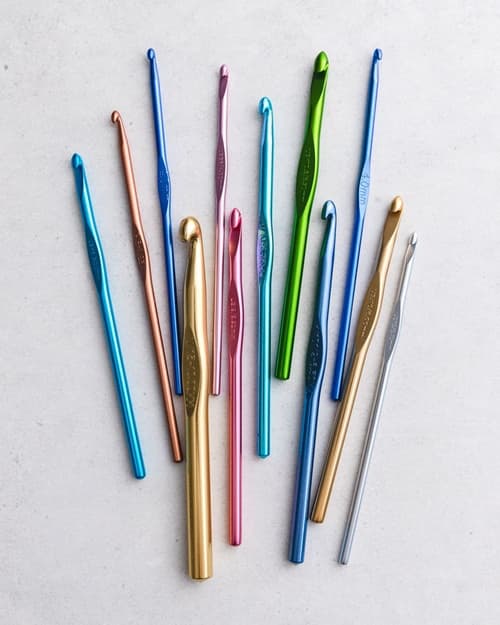
Choosing a crochet hook looks simple until you are staring at a wall of letters, millimeters, and handle shapes. That confusion is normal, and it is exactly why the right tool matters before you start your first scarf, toy, or summer top. The wrong hook can throw off stitch neatness, tire your hand, and make a beginner think the problem is the yarn or the pattern when it is really the tool.
Why the hook matters before the first chain
Crochet is not a tiny corner of the craft world. The Craft Yarn Council says more than 50 million people know how to knit, crochet, and craft with yarn because it is fun, relaxing, and lets people make great things. That scale is part of why hook choices can feel overwhelming, but it also explains why standards matter so much.
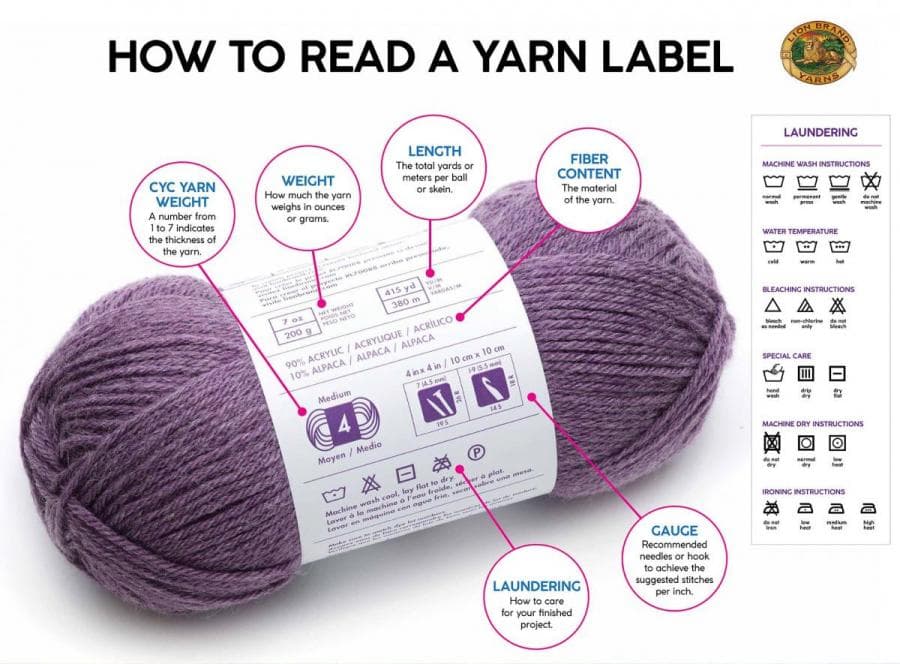
The Craft Yarn Council says its standards were created to bring uniformity to yarn, needle and hook labeling, and to patterns. That is the real beginner-saving move here. If you learn how hook sizes, yarn weights, and gauge work together, you stop guessing and start matching the tool to the project.
Learn the parts of a hook
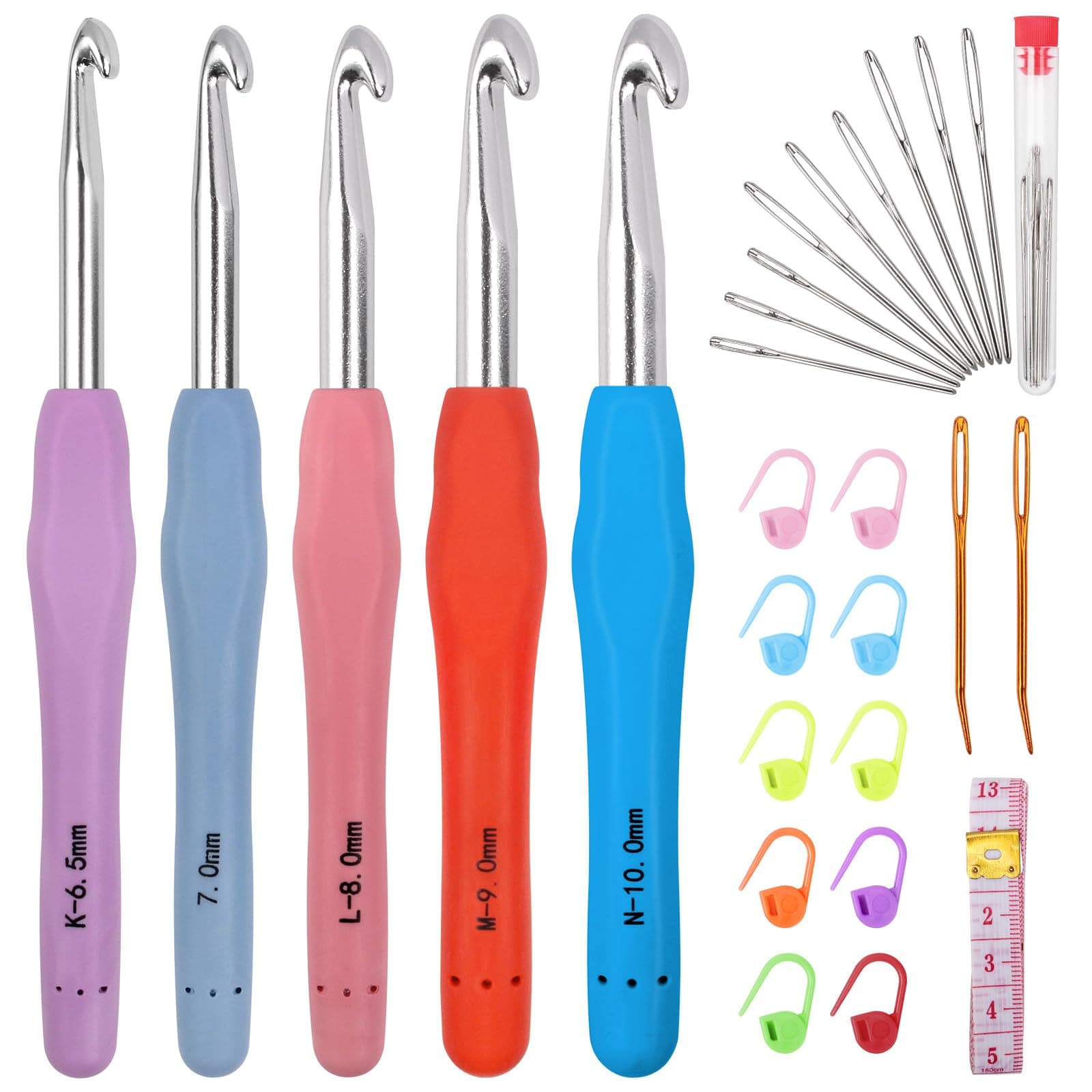
A crochet hook is not just a bent stick. The point or tip is what slips into the stitch, while the lip and mouth help catch and hold the yarn. The throat and shaft shape how smoothly that yarn moves, and the thumb rest and handle affect how steady and comfortable the hook feels in your hand.
Yarnspirations explains that stitches pass from the throat of the hook onto the shaft, which is a useful detail because it shows why shape changes the way a stitch forms. If the throat is awkward, the yarn does not glide the same way. If the handle is hard to hold, your grip gets tighter, your stitches get less even, and a long session starts to feel like work.
Size should follow the yarn, not guesswork
One of the biggest beginner mistakes is buying a hook by eye instead of reading the label on the yarn. The Craft Yarn Council says yarn labels include recommended hook sizes and gauge, and that gauge tells you the manufacturer’s suggested hook size or needle size to use. That is the easiest shortcut in crochet: the yarn already tells you what it wants.
Metric sizing helps even more because different companies historically used different numbering systems. That is why the Craft Yarn Council adopted metric measurements. It says the most commonly used crochet hooks range from 2.25 mm, B-1, to 19 mm, S. For fine thread and lace work, steel hooks run from 3.5 mm, 00, down to 0.75 mm, 14.
- Light yarn: 4.5 to 5.5 mm hooks
- Medium or worsted yarn: 5.5 to 6.5 mm hooks
- Bulky yarn: 6.5 to 9 mm hooks
- Super bulky yarn: 9 to 15 mm hooks
For project matching, the Council’s yarn-weight chart gives clear ranges:
That matters because a first project should feel manageable, not like you are wrestling the stitch into submission. If you start with medium-weight yarn, a 5.5 mm to 6.5 mm hook is the zone where a lot of beginners find the rhythm of chain, single crochet, and turning rows without constant tension problems.
Material changes the feel in your hands
A lot of beginners assume all hooks feel basically the same. They do not. Material changes grip, glide, and how much effort it takes to keep going through a longer project.
- Aluminum hooks are light and durable, which makes them a solid everyday choice.
- Plastic hooks are lightweight and often show up in larger sizes for bulkier yarn.
- Bamboo hooks offer a bit more grip, and Lion Brand describes them as lightweight with excellent grip and suitable for beginners.
- Steel hooks are built for lace and thread crochet, where precision matters more than speed.
The practical breakdown is straightforward:
That is where beginners can save real money and frustration. If your yarn keeps slipping off a slick hook, bamboo can slow things down just enough to help you control the stitch. If you are working a chunky blanket, a lightweight plastic hook may feel easier to hold than a heavier one. And if you are trying lace or doily work, steel is the right category, not a random standard hook.
Handle comfort is not a luxury
A comfortable handle sounds like a small thing until you are halfway through a hat brim or a blanket border and your thumb starts complaining. The article’s strongest practical point is that comfort affects whether you keep crocheting long enough to build skill. A hook with a better thumb rest or easier grip can mean steadier tension, less hand strain, and fewer pauses to shake out a cramped hand.
That is especially true for bigger, longer projects like blankets and amigurumi, where the work adds up row after row. A beginner who starts with an awkward hook often blames their hands or their tension, when the better answer is usually a different handle shape or a more forgiving material.
The buying mistakes this guide helps you avoid
- choosing a hook size without checking the yarn label
- ignoring gauge and wondering why stitches look too loose or too tight
- using a hook that feels uncomfortable after 20 minutes
- treating all materials as interchangeable
- grabbing the prettiest hook instead of the one that fits the yarn and your hand
Most beginner hook mistakes come from buying too fast and matching the wrong thing to the wrong project. The most common ones are easy to spot once you know what to look for:
The smarter path is more boring, but it works. Start with the yarn you actually plan to use, read the label, check the recommended hook size, and pick a material that matches your grip. If you want one safe starting point for a medium-weight project, a 5.5 mm to 6.5 mm hook with a comfortable handle is a sensible place to begin.
That is the real payoff here: the right hook makes the first project feel possible. When the size matches the yarn, the material suits your hand, and the handle does not fight you, crochet stops feeling like a test and starts feeling like the relaxing craft it is supposed to be.
This article was produced by Prism’s automated news system from verified source data, official records, and press releases, then run through automated quality and moderation checks before publishing. The system is built and supervised by the people who set the standards it runs under. Read our full AI policy.
Did this article answer your question?