C2C moss stitch blanket pattern blends texture and flexibility
A C2C moss stitch blanket gets its appeal from texture you can see and flexibility you can actually use. With a video tutorial and an adjustable shape, it is a smarter pick than a plain square blanket.
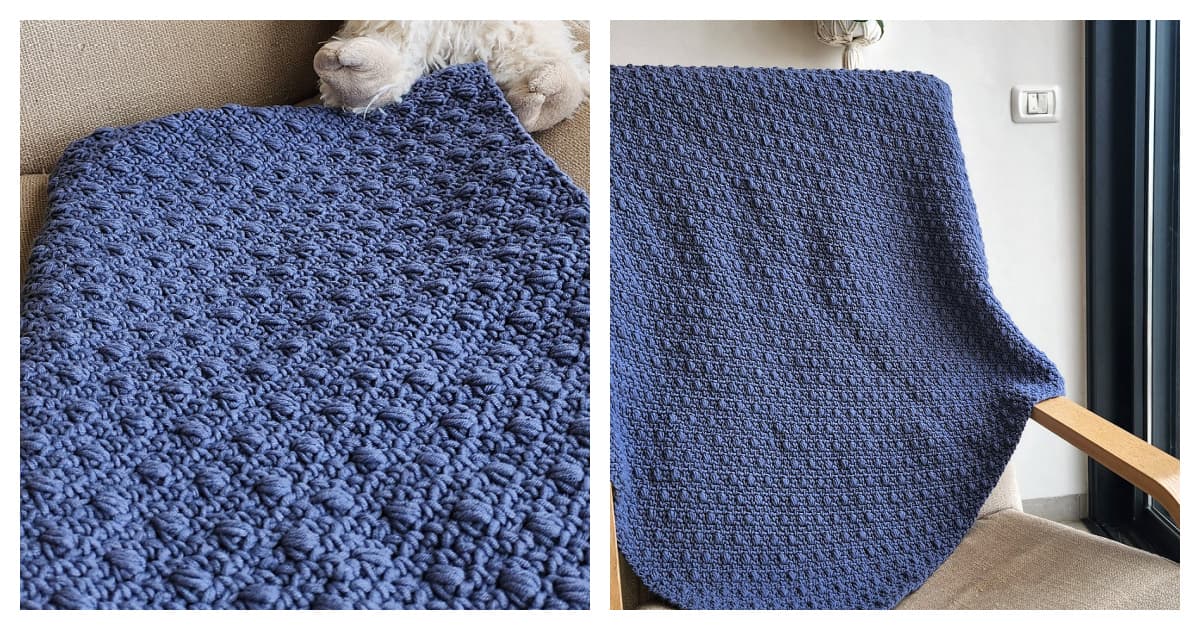
A blanket pattern gets interesting fast when it gives you more than one thing to do, and this one does exactly that. Cool Creativities’ C2C Moss Stitch Blanket Free Crochet Pattern and Video Tutorial, published on June 19, 2026, combines corner-to-corner construction with moss stitch and spiked bean stitch for a textured finish that feels modern without turning into a technical slog. It is labeled intermediate, but the included video tutorial makes the project feel much more approachable than that word usually suggests.
Why this blanket stands out
The real hook here is the construction. Instead of leaning on a plain row-by-row repeat, the pattern folds C2C shaping into moss stitch and spiked bean stitch, which gives the blanket more surface interest than a standard strip blanket or a basic square. That matters if you like projects that look intentional from across the room and still feel pleasant to work on up close.
Moss stitch has a strong reputation for a reason: it makes a tidy, modern texture that reads cleanly in blankets, and it does not need elaborate shaping to look finished. The spiked bean stitch adds another layer so the fabric does not flatten out visually. In practice, that gives you a blanket with depth, but not the kind of depth that forces you into lace charts, motif joins, or constant counting stress.
The skill level is real, but the barrier is lower than it sounds
The pattern is described as intermediate, and that is fair. Corner-to-corner work, texture changes, and stitch rhythm all ask for a little more attention than a plain beginner square. Still, the video tutorial changes the equation. If you are the kind of crocheter who learns best by watching a repeat once or twice before settling into the groove, this is exactly the sort of pattern that can pull you up a level without making the process feel punishing.
That accessibility is part of why this kind of textured blanket keeps showing up in crochet circles. A 2024 Made by Gootie tutorial used the same core C2C moss-stitch idea with spiked bean stitch and framed it as a project for both experienced and new crocheters. Daisy Cottage Designs has taken a similar approach too, presenting a corner-to-corner moss stitch blanket as manageable for beginners who take their time and follow the video carefully. The message across those tutorials is consistent: this is a pattern that rewards attention more than advanced speed.
Why C2C makes the blanket useful, not just pretty
The corner-to-corner structure is the practical part of the story. Because the blanket grows diagonally, it can be scaled to whatever size you need without changing the basic idea of the pattern. That makes it easy to imagine the same design as a baby blanket, a lap blanket, a throw, or a larger home piece.
That flexibility matters more than it sounds. Plenty of pretty crochet blankets look good only at one exact size. A C2C build gives you room to adapt, which is useful if you are making for a crib, a couch, or a gift basket and do not want to start from scratch every time. It also means the pattern feels less like a fixed instruction sheet and more like a template you can actually use.
Best ways to think about the stitch mix
The alternating sections are part of the appeal too. The pattern’s stitch changes help keep the work from feeling like endless repetition, which is usually where blanket projects start to sag mentally. If you have ever abandoned a blanket halfway through because the row rhythm got dull, the mix of moss stitch, spiked bean stitch, and C2C shaping is the kind of structure that helps you stay engaged.
A good way to read this project is as a texture study that happens to be functional. The moss stitch keeps the fabric grounded and modern. The spiked bean stitch brings in the raised detail that makes the surface feel special. The C2C construction gives the whole thing flexibility. Taken together, the design is doing three jobs at once, and that is why it lands as more than just another blanket pattern.
Why texture-forward blankets keep getting attention
This pattern fits a larger shift in crochet content toward projects that are both watchable and useful. Tutorial-driven blankets do especially well when the stitch pattern is easy to follow by eye, because the video can show the movement of the stitch and the growth of the fabric in a way a written pattern alone cannot. That is one reason C2C moss stitch blankets keep circulating: they offer a visual payoff without demanding a giant leap in skill.
Cool Creativities’ own crochet archive reinforces that the site is publishing in a steady stream rather than dropping one isolated pattern and disappearing. The June 19, 2026 blanket sits alongside other recent 2026 posts, including a Hexagon Cardigan Free Crochet Pattern and Video Tutorial from June 7, 2026 and an Octagon Lace Throw Free Crochet Pattern from June 6, 2026. That run of releases shows the blanket as part of an active, frequent pattern output, not a one-off curiosity.
What makes this one worth making
For all the moving parts, the draw is simple: this is a blanket with enough texture to feel special and enough structure to stay practical. The fact that it is intermediate does not cancel out the value of the video tutorial, and the fact that it is flexible does not make it bland. It is the rare crochet project that gives you a modern finish, an adaptable size, and a stitch mix that stays interesting long after the first few rows.
If you want a blanket that looks thoughtful on a sofa, scales cleanly for gifting, and keeps your hands busy without feeling like a technical marathon, this C2C moss stitch version earns its place on the hook.
This article was produced by Prism’s automated news system from verified source data, official records, and press releases, then run through automated quality and moderation checks before publishing. The system is built and supervised by the people who set the standards it runs under. Read our full AI policy.
Did this article answer your question?