Cherokee County Students Crochet Hats and Booties for NICU Infants, Cancer Patients
Cherokee County scholars, including Nikki Chen, crocheted hats and booties for NICU newborns and Gibbs Cancer Center patients — here's how to replicate the drive.
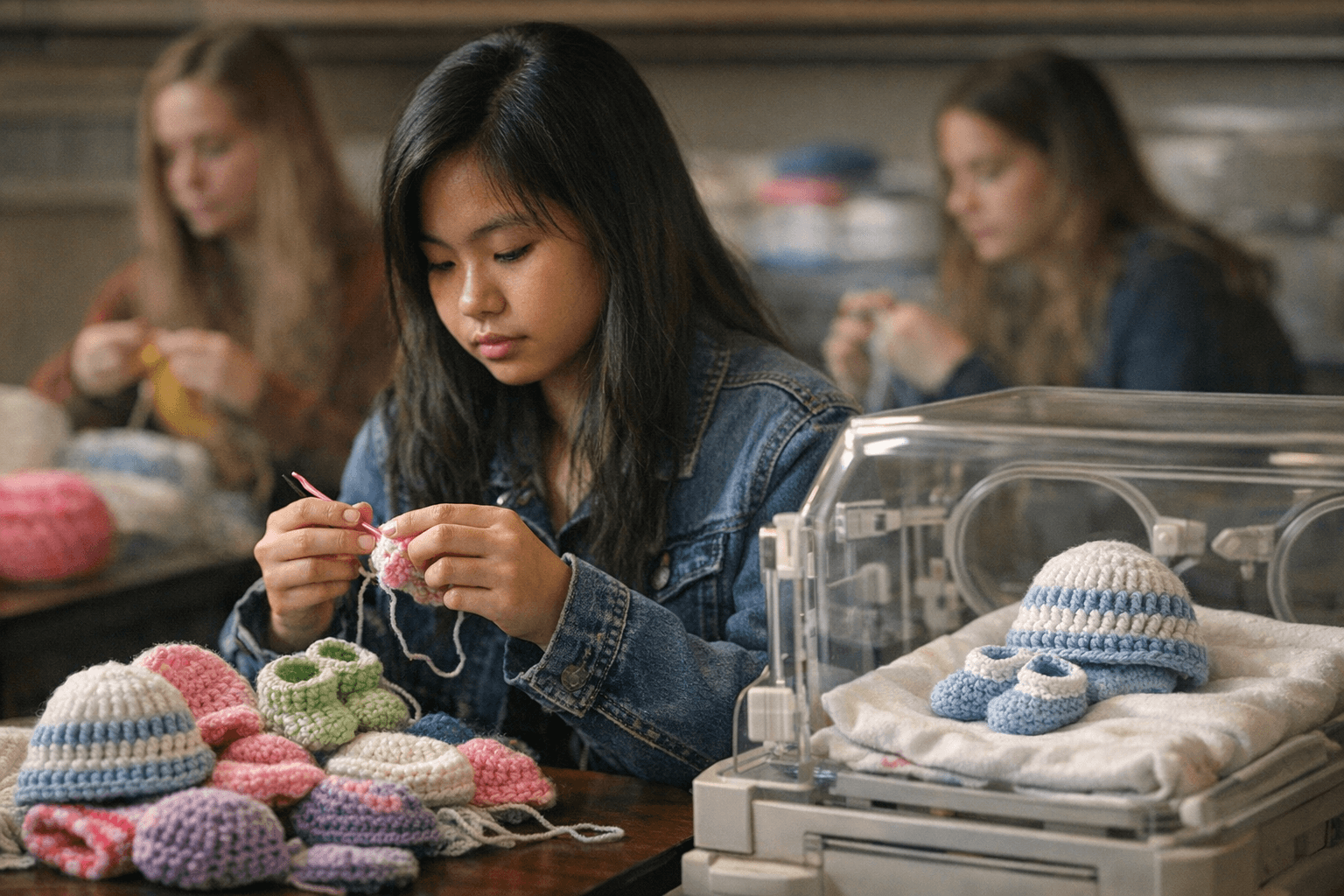
A handful of students at Cherokee County Schools picked up hooks, bought yarn, and quietly produced something that landed in two of the most emotionally charged rooms in medicine: a neonatal intensive care unit and a cancer center. Scholars including Nikki Chen crocheted newborn hats and booties for infants at Spartanburg Regional NICU and soft hats for patients at Gibbs Cancer Center, a Spartanburg Regional facility known for serving cancer patients across the Upstate South Carolina region. The school's official account shared the effort, and for good reason: this is the kind of community service project that's genuinely replicable, and the crochet world has plenty of makers who want a roadmap.
If you're a teacher, club sponsor, or teen crafter looking to launch something similar, the logistics are simpler than they look. Spartanburg Regional accepts handmade donations through its "Volunteering to Go" program, designed specifically for groups and individuals contributing through service projects. The program's starting point is the volunteer services page at spartanburgregional.com/volunteer, where groups can confirm current needs before they cast on a single stitch.
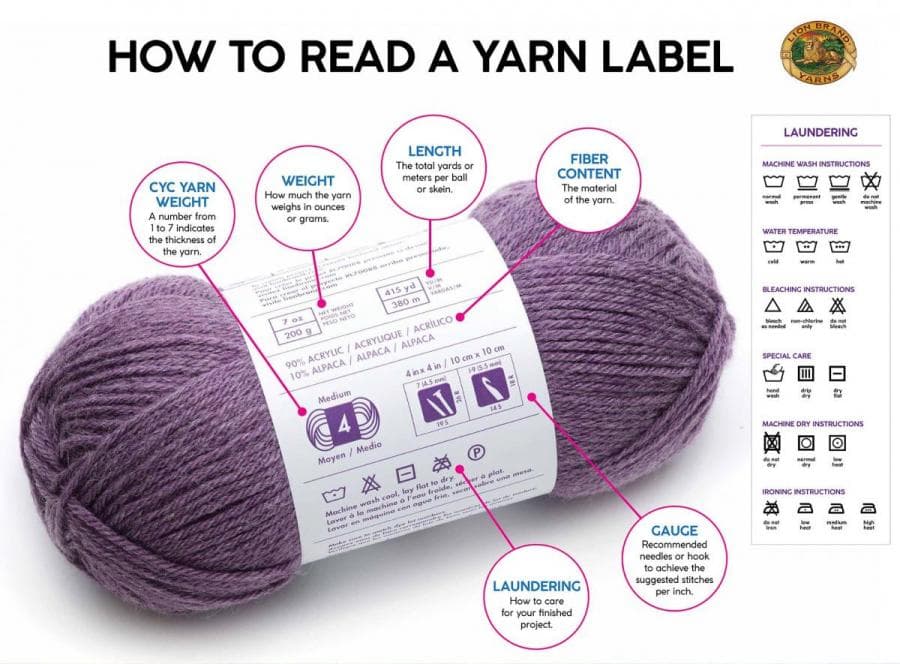
On the making side, NICU hats and booties require a short checklist of non-negotiables. Fiber matters above all: soft acrylic, cotton, or bamboo yarns are the standard, and wool is a firm no across virtually every hospital donation program because of skin sensitivity and laundering complications. Baby weight (size 2) or sport weight (size 3) are the workhorses here; bulky yarn is too stiff for a preemie's head and won't pass muster. For hats destined for chemo patients at a center like Gibbs, adult sizing applies and the same fiber rules hold, with tighter stitches preferred so there are no gaps against a sensitive scalp.
Washing protocol is non-negotiable before any donation reaches a hospital: wash and fully dry every item in fragrance-free detergent, then bag it individually. Tuck a small tag inside each bag noting the fiber content and care instructions. That single step, often skipped by first-time charity makers, is what gets handmade items cleared by hospital receiving departments rather than turned away at the door.
For a school drive specifically, the Cherokee County model works because it ties into existing community service frameworks. An after-school crochet club or a one-semester project can realistically produce dozens of items. A beginner-friendly newborn hat in the round takes roughly one skein of baby-weight yarn and under two hours for a competent newer crocheter, making it a genuinely accessible first project for teens who have never donated before. Booties add another hour and require only basic shaping skills.
What Nikki Chen and her fellow scholars demonstrated is that a school crochet drive doesn't need a budget, a special event, or administrative complexity to land real items in real patients' hands. It needs hooks, the right yarn, and someone willing to make the first phone call.
This article was produced by Prism’s automated news system from verified source data, official records, and press releases, then run through automated quality and moderation checks before publishing. The system is built and supervised by the people who set the standards it runs under. Read our full AI policy.
Did this article answer your question?