Chevron stitch guide shows how yarn and hooks shape bold texture
Chevron only looks easy until the peaks drift. The fix is the right yarn, the right hook, and a repeat that stays locked from the first chain.
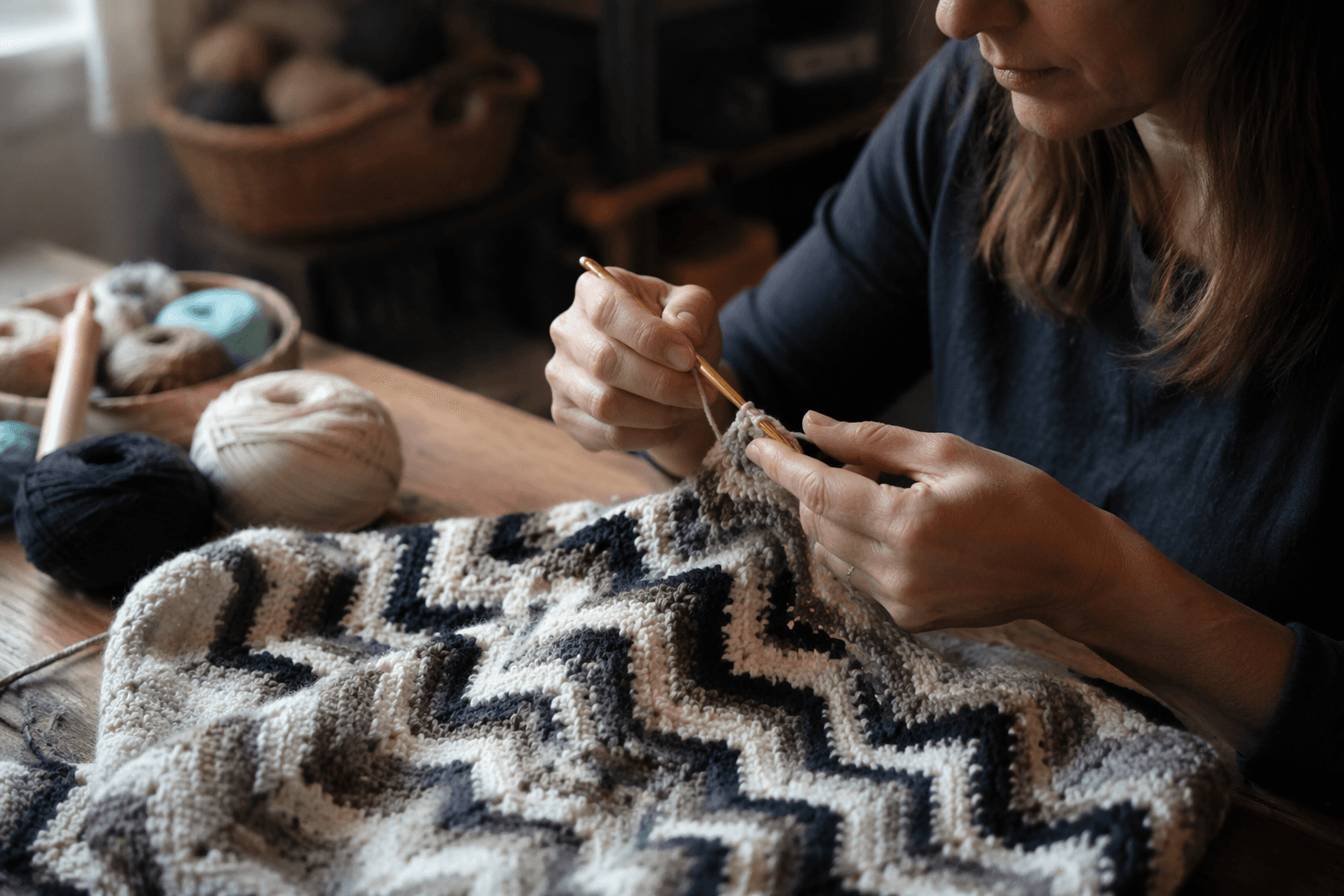
Chevron is one of those stitches that punishes sloppy setup fast. If your peaks lean, your valleys bunch up, or the edge starts wandering, the problem usually starts before the first row is finished. Get the yarn weight, hook size, and foundation count right, and the same simple zig-zag suddenly looks crisp, graphic, and intentional.
Start with the yarn, because texture begins there
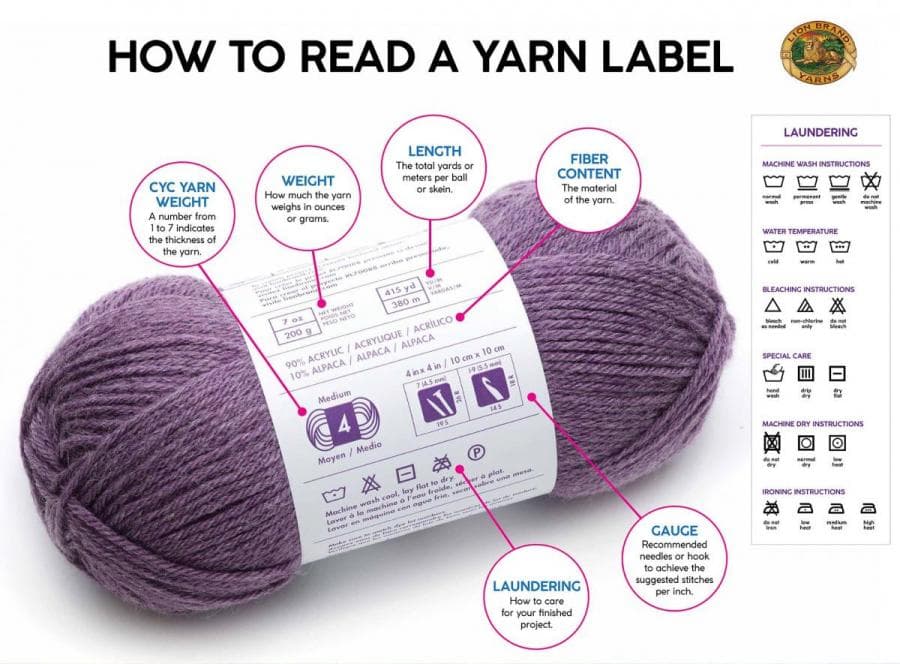
The Craft Yarn Council’s standardized yarn-weight system runs from 0 to 7, with 0 the finest and 7 the thickest, and that range matters more in chevron work than in many other stitches. Yarnful Creations points out the practical result: medium or bulky yarn throws a bolder, more sculptural chevron, while sport or DK weight gives you slimmer, softer lines. That is the first big decision, because the same repeat can read as a chunky afghan ridge or a light, modern ripple depending on the yarn you choose.
Hook size works the same way. The Craft Yarn Council notes that U.S. packaging often gives both letter or number sizes and metric millimeters, which is why pattern pages tend to name a hook so carefully. Chevrons reward that precision, because a hook that is too large can make the valleys look sloppy, while one that is too small can crowd the fabric and flatten the peaks.
Treat the foundation chain like the whole project depends on it
With chevron, the chain is not just a starting line. The Craft Yarn Council’s crochet guidance is clear that the foundation chain is the base of the fabric, and the pattern will state the length you need. Yarnful Creations pushes that same idea in a chevron context: the chain usually needs to be a multiple of the repeat so the peaks and valleys line up cleanly from the first row onward.
That is the part crocheters often try to improvise, and it is where stitch-count errors show up later as a wave that refuses to settle. If the repeat is off by even a small number, the rows keep broadcasting the mistake, and the zig-zag stops reading as rhythm and starts reading as accident. Start with a slip knot, chain exactly what the pattern asks for, and let the repeat do the work instead of forcing it.
Use stitch markers like guardrails, not decoration
Yarnful Creations makes a smart call by putting stitch markers near the center of the chevron conversation. In a pattern built on repeated rises and dips, markers keep the rhythm from drifting, especially when you are working longer rows or changing yarns. They are not there to slow you down; they are there to keep you from losing the exact point where a peak turns and a valley begins.
That matters because chevron is visually unforgiving. A single missed marker can shift the structure enough that one side climbs higher than the other, and once that happens the pattern stops looking symmetrical. Mark the repeat early and check it every few passes, especially if you are working by memory instead of staring at the chart.
Learn the pattern logic before you chase the look
Chevron is easier to trust once you stop thinking of it as a complicated graphic and start reading it as a repeat. The Craft Yarn Council says crochet patterns rely on standardized abbreviations, and stitch charts are increasingly used alongside written instructions, which helps because chevron is built from the same instructions over and over. It also notes that project levels are commonly labeled Basic, Easy, Intermediate, or Complex, which is useful here because chevron often appears in an easy blanket pattern even when the finished fabric looks advanced.
That is exactly why the stitch is so approachable once it clicks. You are not learning a different trick every row; you are managing a set of rises, dips, and count checks that repeat in a steady cadence. Once the structure makes sense, the chart or written row becomes less intimidating and more like a map you already know how to read.
Color choice changes the whole personality of the stitch
The same chevron can look like a vintage afghan, a beachy ripple, or a sharp piece of modern graphic design depending on how you place color. Wide color bands make the zig-zag feel bold and nostalgic, the kind of look that matches the long-standing blanket tradition AllFreeCrochet calls a staple and heirloom. Narrower changes, cleaner contrast, and lighter yarn make the same structure feel more contemporary and airy.
That range is why chevron shows up in so many project types. Yarnspirations describes it as an inverted V-shaped pattern, also called a ripple or zigzag, and Lion Brand’s Ridged Chevron Blanket is built as a simple one-row repeat, which shows how adaptable the stitch is once the rhythm is set. Lion Brand also offers that blanket in 11 sizes, from lovey to king, which is a pretty blunt reminder that chevron is not locked to one kind of project.
When the stitch goes wrong, the fix is usually in the setup
Most chevron problems are not mysterious. If the peaks look uneven, check the repeat count first; if the valleys collapse, check tension and hook size; if the whole piece looks wavy instead of pointed, the foundation chain may not match the repeat cleanly. That is why markers, gauge, and chain count deserve the same attention as the fancy part of the pattern.
The Craft Yarn Council’s yarn and pattern guidance backs up that habit of checking details before you settle in for a long make. It says patterns and yarn labels typically call for specific hook or needle sizes and that makers should still follow the gauge stated in the pattern. In chevron work, that is not fussy advice. It is the difference between a fabric that behaves and one that keeps fighting back.
Chevron has staying power because the structure is so useful
There is a reason this pattern keeps coming back in blanket bins, garment swatches, and decorative pieces. The repeat is simple, the shape is instantly recognizable, and the final fabric can be tuned from soft to dramatic without changing the basic idea. Internet Archive records showing crochet collections from 1946 and 1994 support how long this kind of pattern language has been circulating, even if the exact origin of chevron crochet is harder to pin down.
That long run explains the pattern’s appeal now. Chevron gives you a built-in sense of movement, but only if the count, the hook, and the yarn are working together from the start. Get those pieces aligned, and the stitch stops looking like a risky zig-zag and starts behaving like the bold texture it was meant to be.
This article was produced by Prism’s automated news system from verified source data, official records, and press releases, then run through automated quality and moderation checks before publishing. The system is built and supervised by the people who set the standards it runs under. Read our full AI policy.
Did this article answer your question?