Chinese youth turn to crochet for calm, connection, and self-expression
Crochet is becoming a low-cost city ritual in China, mixing calm, social connection, and self-expression with a growing mental-health backdrop.
A small project that does a big job
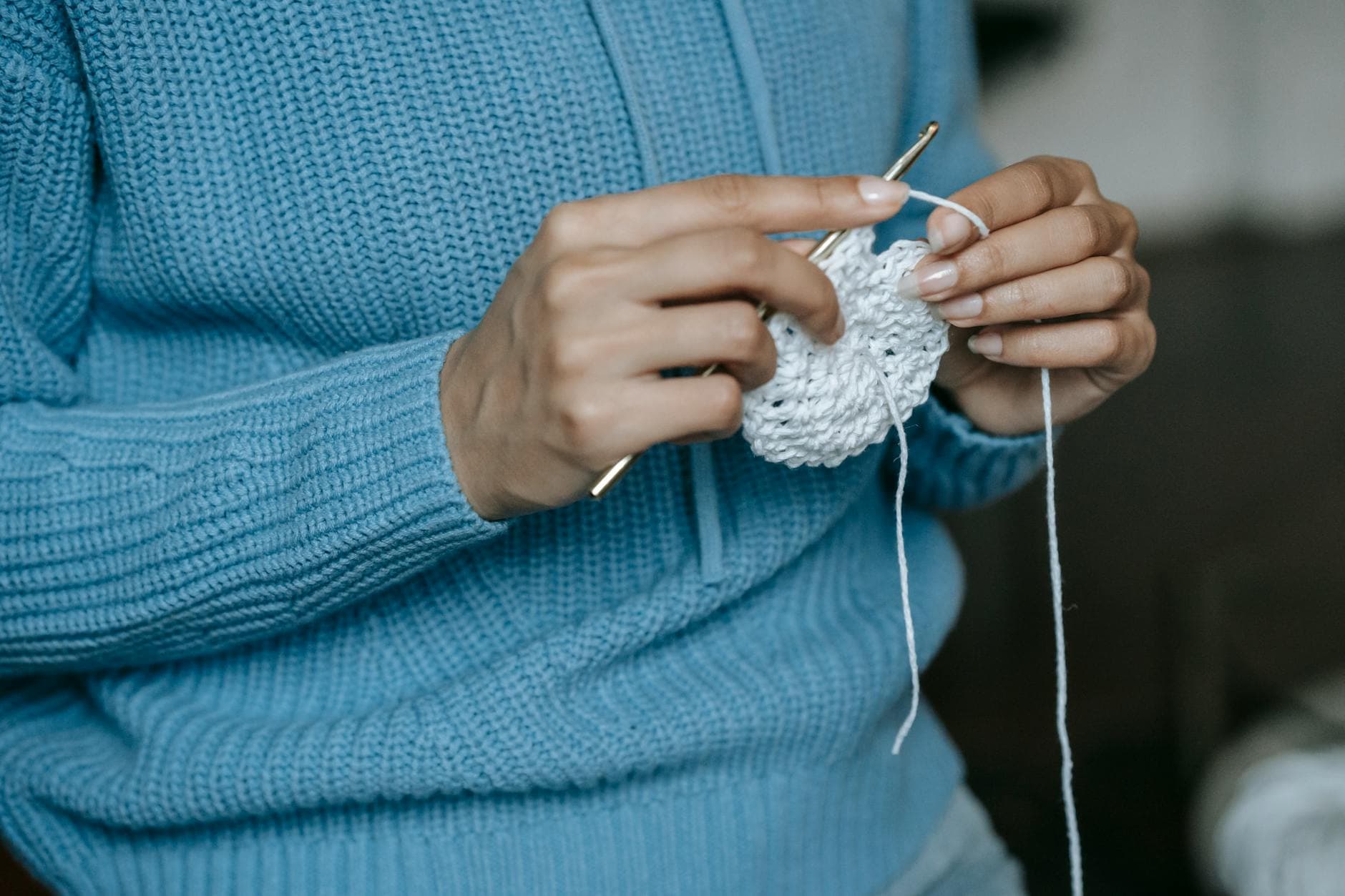
Crochet is finding a new role in Chinese city life: not as a cute side hobby, but as a practical way to slow the nervous system down. Young people in places like Shanghai, Beijing, Guangzhou, Shenzhen, Chongqing, and Kunming are picking up yarn crafts as a low-cost escape from pressure, and the appeal is easy to understand. A project that fits in a tote, gives your hands something rhythmic to do, and ends with something you can actually wear, gift, or use has real value when daily life feels crowded.
State media has even given the trend a name. Crochet enthusiasts are being called “weaver girls,” a phrase that now points to urban young people using stitching and yarn work for personal expression and emotional healing. That framing matters because it shows how the craft is being absorbed into a wider search for calm, not just into a trend cycle.
Why repetitive making feels different right now
The strongest hook here is not the novelty of crochet itself. It is the way the work behaves in the body. Research cited by media and academic sources links crochet and knitting with stress reduction, better attention, and the kind of mental immersion makers often call flow. When your hands are counting stitches, your mind gets a narrow task, and that can feel like a break from the scatter of work chats, deadlines, and social media.
That said, the craft is not a substitute for professional mental health care. It is a support practice, not a treatment plan. The value is in the repeatable ritual: a few rows on a commute, a square before bed, a half-hour sitting with a stitch group after work. For a lot of young urban makers, the point is not perfection. It is having a small, dependable action that lowers the volume of the day.
The social side is part of the product
Crochet is also spreading because it is social in a way that does not demand much performance. Stitch groups and casual meetups give people a reason to gather without the pressure of constant conversation. You can sit, work, compare yarn, swap a hook, and still have a conversation that moves at a human pace.
That matters in a time when young consumers in China are being drawn toward what is often described as “emotional value” spending, meaning purchases that make them feel steadier, lighter, or more connected. Crochet fits that perfectly. It is hands-on, relatively affordable, and easy to share. The finished objects are part of the appeal, but so is the time spent making them together.
Commercial momentum is real, and not all of it is harmless
The trend is not just cultural. It is commercially visible too. In a January 2026 Global Times report, Taobao search results included Spring Festival-themed knitted hair clips among hot-selling knitting items. The same report said a crochet hook tool set on Pinduoduo had accumulated more than 5 million interactions. That kind of activity shows that the hobby has moved well beyond niche maker circles.
But there is a catch. As with any fast-growing craft scene, commercialization can flatten what made the hobby feel useful in the first place. When every feed starts pushing kits, seasonal trinkets, and “must-have” tools, the calm gets crowded out by pressure to buy. The better takeaway is not that you need the trendiest supplies. It is that the trend has exposed a real appetite for simple, tactile making.
What the crochet ritual actually looks like
If the point is calm, connection, and self-expression, the best projects are the ones that fit into real city life. Portable work wins. So does anything with a clear finish line and a visible texture payoff. That is why small accessories, hair clips, and easy stitch patterns are showing up in this conversation so often.
A good urban crochet routine usually has a few traits:
- It is small enough to carry on transit or to a café.
- It uses straightforward stitches that do not punish you for being tired.
- It gives you a visible result early, so the project feels rewarding instead of endless.
- It can be shared, swapped, or gifted, which makes the work social without making it performative.
That combination is part of the craft’s appeal in fast-paced cities. The project does not need to be elaborate to feel meaningful. It only needs to give your hands a job and your mind a softer edge.
The mental-health backdrop gives the trend its weight
The reason this story lands so strongly in China is that youth mental health is already a major public concern. The National Health Commission of China designated 2025 to 2027 as the “Years of Pediatric and Mental Health Services,” and the country launched the nationwide 12356 mental health hotline on January 1, 2025, for psychological support and crisis intervention. That is a clear sign that the issue is being treated as a policy priority, not a private worry.
The education system has also been pulled into the response. In May 2024, the Ministry of Education of China launched a nationwide student mental health campaign for the whole month, described as the first month-long program of its kind. China Daily also reported that by 2025, more than 95 percent of schools were expected to have a full-time or part-time instructor for mental health education. Those moves set the backdrop for why a quiet craft can feel so relevant: people are looking for support at every level, from schools to hotlines to daily habits.
The numbers underline the pressure. A 2023 study cited by South China Morning Post found nearly one in four children and adolescents in Hong Kong had at least one mental disorder in the past year. A 2023 report cited by China Daily said the overall prevalence of mental disorders among Chinese children and adolescents exceeds 10 percent, and China Daily noted that a national mental health survey in 2021 to 2022 involved about 200,000 people. That is a serious context for any trend that promises even a little relief.
What to take from the trend
The most useful way to read this crochet wave is not as a fad, but as a coping habit with community built in. Young people are reaching for yarn because it is cheap, tactile, and easy to share. They are also reaching for it because the act itself is steadying, and because making something with your hands still has power in a city life built on screens, deadlines, and noise.
That is why crochet feels bigger than the object at the end of the hook. It is the rhythm, the company, and the small sense of completion that make it stick. In a high-pressure urban week, that is often enough to turn a ball of yarn into a real reset.
This article was produced by Prism’s automated news system from verified source data, official records, and press releases, then run through automated quality and moderation checks before publishing. The system is built and supervised by the people who set the standards it runs under. Read our full AI policy.
Did this article answer your question?