Crochet blanket edging guide offers quick, polished finishing touches
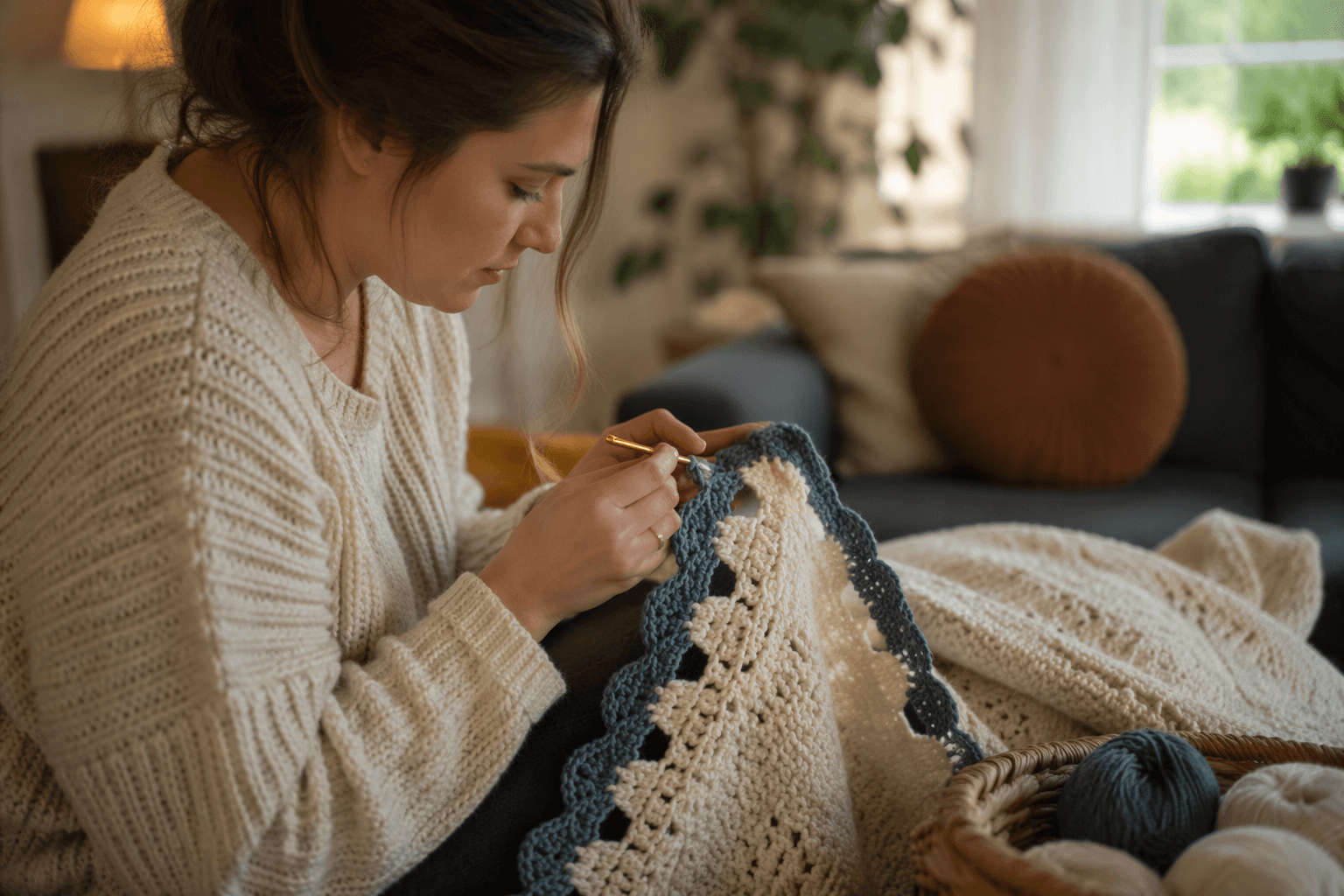
Blanket edging can stop curling, sharpen uneven sides, and turn a plain throw into a finished piece fast. Yarnful Creations’ roundup leans on scallops, shells, picots, and modern shapes for quick polish.
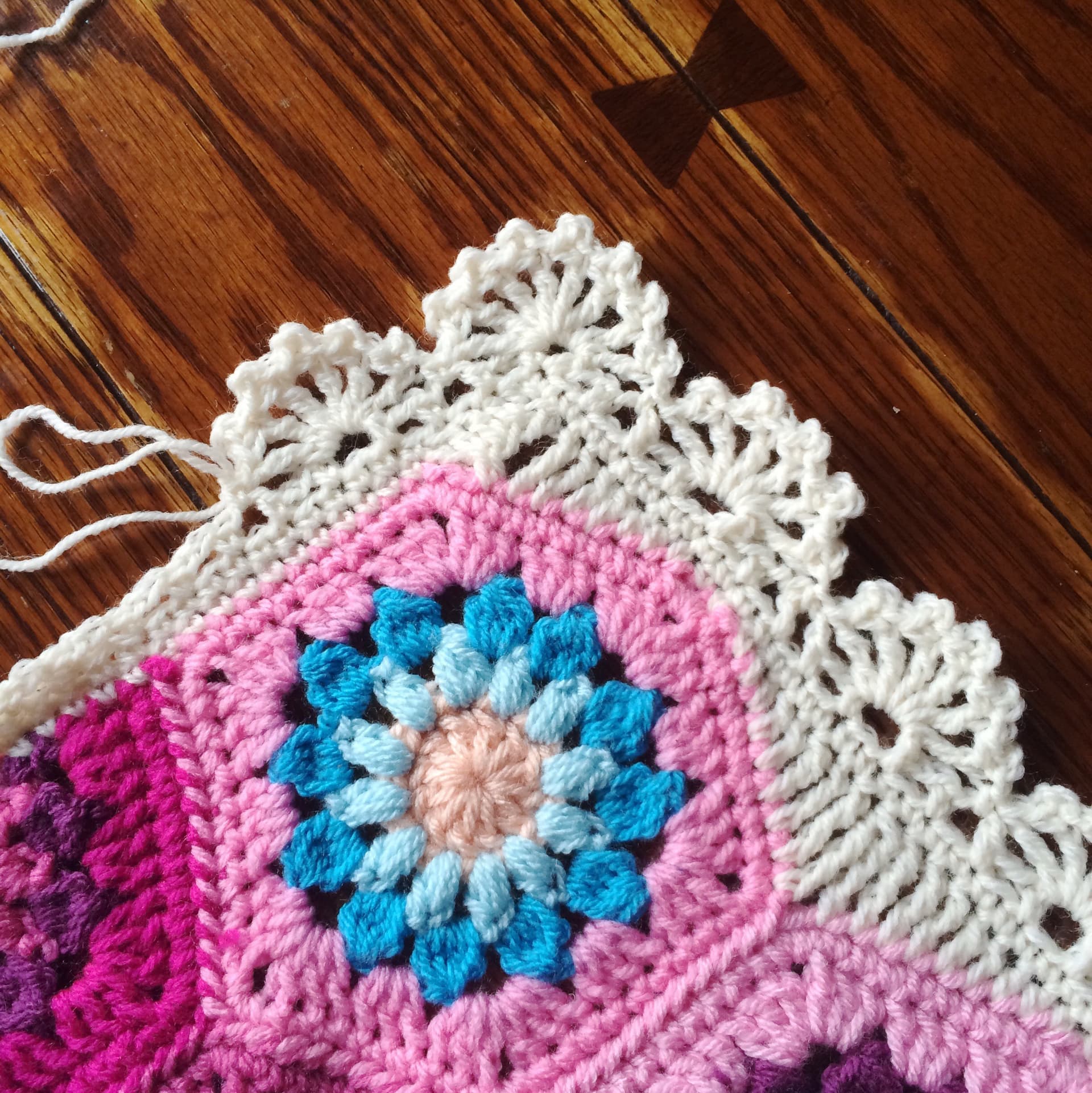
A good border does more than frame a blanket. Yarnful Creations treats edging as the last practical step that can stop curling edges, tighten an uneven outline, and give a finished fabric the kind of polish that makes it look intentional instead of accidental. The best part is speed: the guide focuses on quick-finish techniques that still feel thoughtful, from classic scallops and shell stitches to ripple and chevron-style edges, plus fringe ideas, colorwork variations, and downloadable patterns.
Why edging changes the whole blanket
Blanket borders are doing two jobs at once. The Craft Yarn Council says crocheted edges are often used to add body to a piece, prevent it from rolling, and add a decorative touch. That is exactly why edging matters when a project feels almost done but not quite: a border can stabilize the fabric and also decide whether the blanket reads as plain, playful, or polished.
Yarnful Creations pushes that idea further by treating borders as a design choice, not an afterthought. A quick shell edge can soften a plain throw, while a ripple or chevron border can echo the movement in the main fabric. For crocheters looking to refresh an older blanket or rescue a project that feels unfinished, edging becomes the low-effort fix that changes the whole mood of the piece without starting over.
The classic borders still earn their keep
The roundup includes the standards for a reason. Single crochet scallops, double crochet picot trims, and shell stitch borders all remain reliable finishing options because they are recognizable, tidy, and easy to scale up or down. Interweave describes a classic double crochet shell border as a single-row finish that is easy to work and complements many different projects, which helps explain why shell edging keeps showing up in modern blanket tutorials.
Picot edging brings a different kind of finish. Interweave describes it as a decorative border made from a small loop of chain stitches closed with a slip stitch, and that tiny loop adds a delicate edge without overwhelming the stitch pattern underneath. For blankets that already have strong texture, a picot trim can be the quiet detail that keeps the border light while still making the piece look complete.
When you want texture, not just a frame
Yarnful Creations also points crocheters toward more textured finishes, especially ripple and chevron-style edges. Those shapes work well when the main blanket already has movement in it or when you want the border to feel like part of the stitch story instead of a separate add-on. Shell stitches sit in the same lane for makers who want a richer finish without moving into anything too fussy or slow.
That flexibility matters because edging is not limited to one kind of project. The guide points out that the same kinds of borders can be adapted for blankets, dishcloths, baby blankets, scarves, shawls, and even cardigan cuffs. A border that works on a throw can also sharpen the edge of a smaller handmade item, which makes edging one of the most useful techniques in a crocheter’s finishing toolkit.
How experienced makers work the border
Technique changes the result as much as stitch choice does. Stephanie of All About Ami notes that some borders are worked in joined rounds with the right side facing outward, which keeps the frame clean and lets the edge sit neatly against the project. In her Cozy Days Daisy Blanket example, the border was worked with the right side facing the crocheter, a detail that matters when you want the finished edge to sit flat and uniform.
Materials also tell the story of how substantial a border can be. In the Baby Cozy Days Daisy Blanket, Stephanie used approximately 11 g, 27 yds to seam the squares together and 41 g, 101 yds to crochet the border. That is a useful reminder that edging is not just decorative trim, it is a real finishing stage that can take a meaningful amount of yarn and still transform the final look of the blanket.
Why standardized instructions matter
Part of what makes blanket edging so accessible is the way crochet instructions are written. The Craft Yarn Council says its publishers, manufacturers, and yarn members work together to standardize yarn, needle, hook labeling, and pattern symbols. That shared system is what makes edging patterns easier to follow across books, blogs, and brand collections, especially when a border includes stitch abbreviations, measurements, or round-by-round construction.
That standardization helps explain why edging patterns travel so well from one project type to another. A scalloped edge on a baby blanket, a shell border on a shawl, or a picot trim on a dishcloth all rely on the same basic language. Once you know the terms, the border becomes less of a special effect and more of a dependable finishing method.
A finishing touch that still sells the dream of handmade
The broader crochet market keeps proving that blanket finishing matters. Lion Brand continues to maintain large free pattern collections for crochet and for afghans and blankets, and it offers a blanket kit described as having a refined border and an heirloom-quality feel. That language reflects what many makers already know: a border can push a blanket from useful to giftable, from homemade to finished.
That is why edging keeps showing up in both beginner-friendly and more decorative pattern collections. A scallop border is approachable, a shell border is easy to work, and a picot trim adds a delicate touch without demanding a major time investment. For a plain throw that needs a little life, or a project that curls at the edges, the right border is the final 10 percent that makes the whole blanket look ready to live in, not just be admired.
This article was produced by Prism’s automated news system from verified source data, official records, and press releases, then run through automated quality and moderation checks before publishing. The system is built and supervised by the people who set the standards it runs under. Read our full AI policy.
Know something we missed? Have a correction or additional information?
Submit a Tip