Lion Brand explains velvet yarn versus chenille for crochet projects
Velvet yarn delivers a luxe finish, but the real win comes from matching it to the right project and a tighter-than-usual hand.
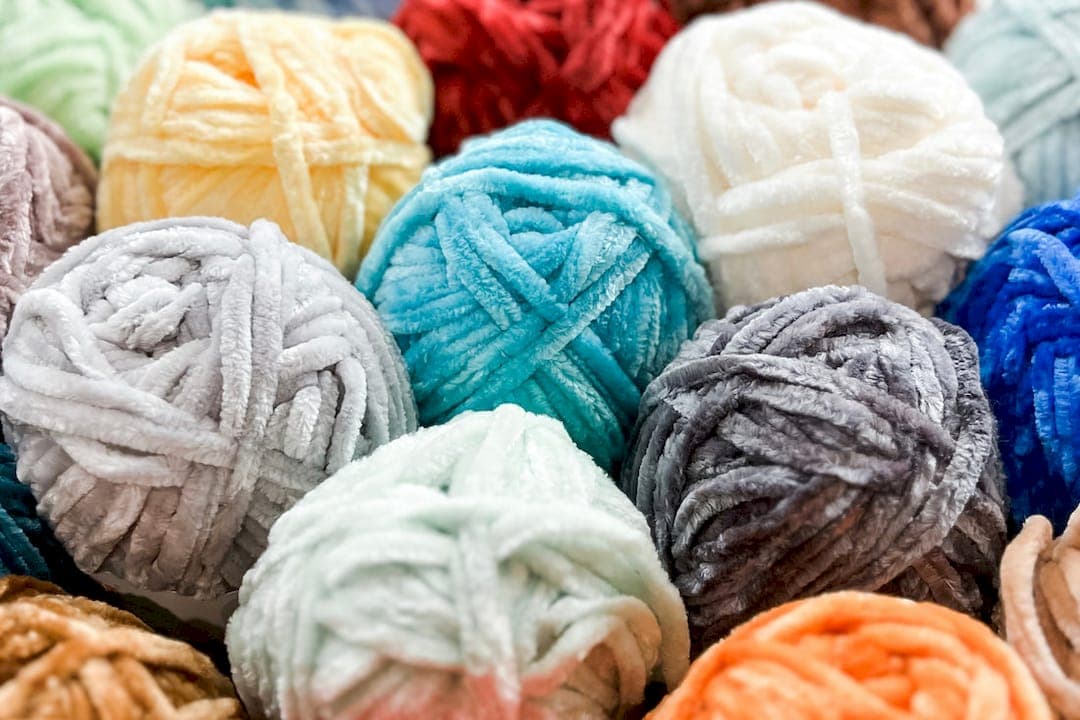
Velvet yarn is the kind of material that makes crocheters pause at the shelf for good reason: it looks plush, polished, and far more expensive than a skein usually has any right to be. The catch is that its beauty comes with friction. Lion Brand’s latest explanation draws a clear line between the velvet look makers want and the way the fiber actually behaves once it hits the hook.
Velvet and chenille are not the same thing
The first useful correction is simple: velvet yarn and chenille are often used as if they mean the same thing, but they do not. True velvet is a woven pile fabric with a short, dense pile, while chenille yarn is made from short fibers wrapped around a core strand. That difference matters in crochet because it changes stretch, drape, and how forgiving the yarn feels while you work.
Lion Brand’s point is less about textile trivia than about project planning. Velvet-style yarns tend to feel denser and smoother with less stretch, which makes them a stronger match for structured garments and polished accessories that need a more refined finish. Chenille-style yarns have more give, so they are better suited to drapier wraps, throws, and home décor pieces where softness and flow matter more than crisp shape.
That distinction also helps explain why velvet yarn can feel both beginner-friendly and slightly sneaky. The category looks approachable because the fabric is soft and lofty, but the lower stretch changes how stitches sit and how mistakes behave once they show up in the fabric.
What the label tells you before you start crocheting
The Craft Yarn Council’s standards exist to make sense of exactly this kind of confusion. The council says its guidelines were developed by publishers, fiber, needle and hook manufacturers, and yarn members to bring uniformity to yarn labels, needle and hook labeling, and patterns. It also says more than 50 million people know how to knit, crochet, or craft with yarn, which gives the labeling system real weight across the hobby.
Its yarn weight system runs from 0 to 7, and the label symbols are meant to designate both thickness and pattern skill level. That matters with velvet-style yarn because the plush look alone does not tell you how the yarn will behave. Velvet-style products can show up in different weight categories, so the number on the label and the gauge in the pattern matter more than the softness in your hand.
Lion Brand’s own Chenille Appeal yarn is a good example of how much can be packed into a label. It is listed as a worsted-weight #4 yarn, made from 100% polyester, and marked machine washable and machine dryable. By contrast, Yarnspirations lists Bernat Velvet as a #5 bulky polyester yarn. Same cozy family, different behavior at the hook.
Where velvet yarn earns its keep
Velvet yarn shines when the project benefits from a smoother surface and a more controlled silhouette. That is why Lion Brand frames velvet-style yarn as a strong choice for structured garments, polished accessories, and any piece where the finish is supposed to look deliberate. The luxe texture reads well when the stitches are meant to support the fabric, not disappear into a loose, airy drape.

Chenille-style yarn pulls in the opposite direction. Because it has more give, it behaves better for blankets, wraps, and soft décor, especially when you want the piece to settle instead of stand up. That is the dividing line crocheters need to keep in mind: velvet can elevate the right project, but it can also fight a pattern that depends on stretch and easy reshaping.
Lion Brand’s velvet-style offerings, including Cover Story Posh Twist, are part of that more approachable category. The appeal is obvious. The practical question is whether the project needs that plush finish enough to justify the extra handling.
The technique tax is real
This is where velvet yarn stops being a straightforward beauty buy and starts demanding real attention. Daisy Farm Crafts said that after working with Bernat Velvet and Bernat Baby Velvet for almost a year, it had learned three essential habits: use tighter-than-normal tension, choose stitches carefully, and make a practice swatch first. In one scarf project, loose stitches popped free and the fabric began to worm until the maker switched to a smaller hook.
That warning lines up with what other crochet teachers emphasize. Heart Hook Home and Pattern Princess both stress that smaller hooks and tighter stitches help keep velvet yarn under control. The reason is simple enough: the plush surface can make stitch definition harder to read, and once a loop slips out, fixing the mistake is much less pleasant than it is with a smoother yarn.
Daisy Farm Crafts also underscores another practical point about weight and care. Bernat Baby Velvet is listed there as a #4 weight yarn and machine washable, while Bernat Velvet is listed as a #5 weight yarn and hand washable. That difference affects both the finished drape and how much maintenance the final piece will demand.
For crocheters, that means velvet yarn is best approached as a high-reward, high-friction material. It rewards careful tension, deliberate stitch choice, and project selection that respects its lower stretch. It punishes loose work, casual frogging, and patterns that depend on seeing every loop at a glance.
Why the naming confusion keeps coming back
Textile history helps explain why the yarn aisle stays fuzzy on this point. Britannica defines velvet as a woven pile fabric with a short, dense pile, traditionally associated with silk but now also made from cotton and synthetic fibers. Crochet yarn marketed as velvet borrows that luxury association even when the construction is actually chenille-style rather than true velvet.
That is why the term can be so useful and so misleading at the same time. It tells you the look you are buying into, not always the exact structure of the strand in your hands. Once you separate the marketing word from the fiber behavior, the decision gets much easier: reach for velvet when you want plush polish and a controlled finish, and reach for chenille when you need softness with more drape and forgiveness. That is the difference between a yarn that merely looks luxurious and one that helps the project stay beautiful all the way off the hook.
This article was produced by Prism’s automated news system from verified source data, official records, and press releases, then run through automated quality and moderation checks before publishing. The system is built and supervised by the people who set the standards it runs under. Read our full AI policy.
Know something we missed? Have a correction or additional information?
Submit a Tip