Crochet frog and cat swings create a charming amigurumi scene
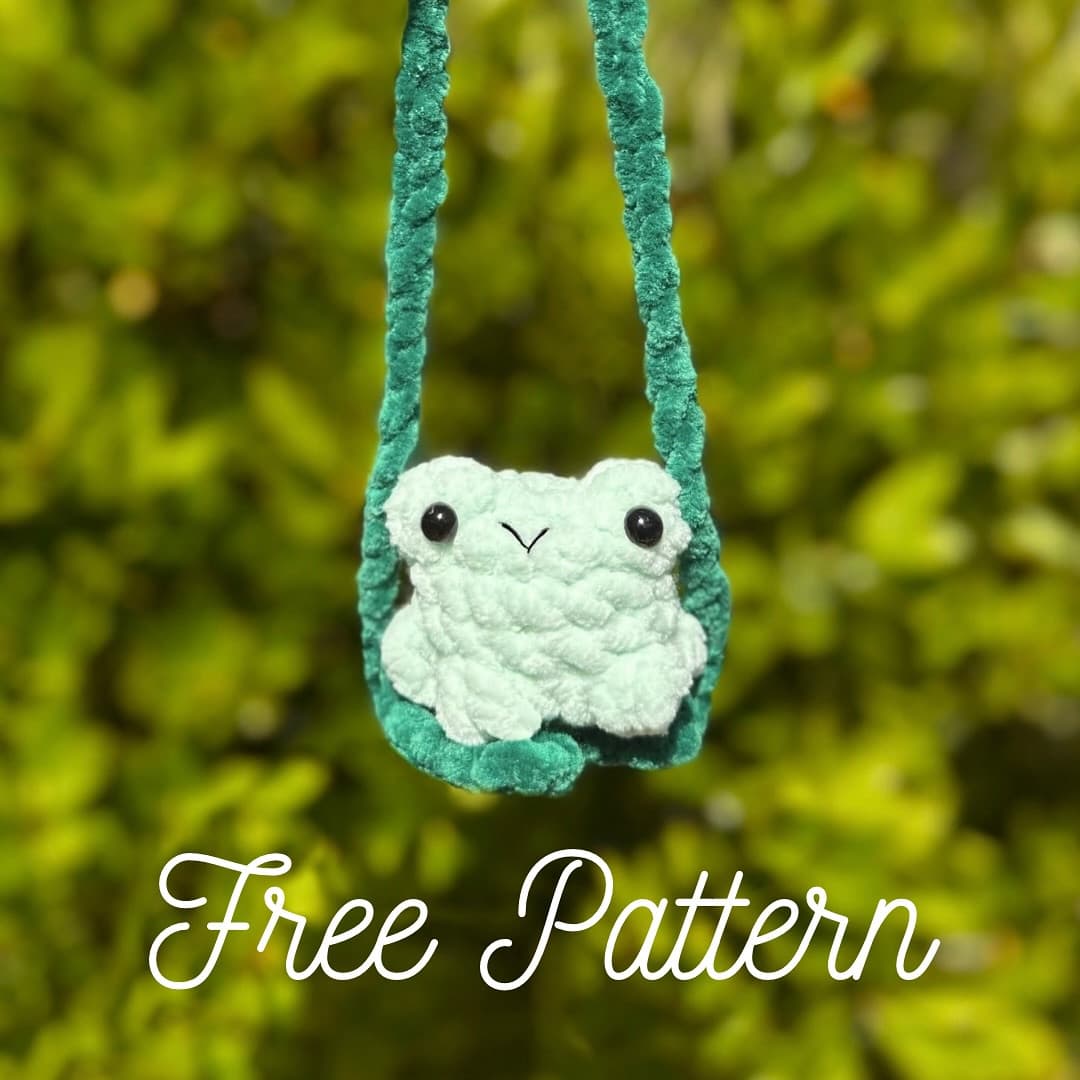
Frog and cat don’t just get made here, they get staged. This swing pattern turns two amigurumi into a tiny display scene with real shelf appeal.

A swing set changes the whole story
The charm here is not just that you crochet a frog and a cat. It is that you place them in their own tiny swings and suddenly the project reads like a scene, not a single plush. A mint green frog and a ginger cat sitting side by side have built-in personality, and the finished piece looks made to be displayed, gifted, or hung where the little tableau can do the talking.
Published on May 17, 2026, Martha Miller’s Crochet Frog & Cat on Swings pattern for Amigurumi Corner leans hard into that storytelling angle. The site is run by Olivia Harper and Martha Miller, who describe their patterns as adorable, accessible makes designed to spark joy and creativity, and this one fits that brief with more visual payoff than a standard stuffed figure.
Why the pattern reads as intermediate
This is not a “cute and easy” project in the lazy sense. It is listed as an intermediate pattern, and the construction makes that clear fast. The figures are worked in soft chenille-style yarn in continuous spiral rounds, which gives the shapes that plush, seamless finish amigurumi makers expect, but it also demands steady stitch counting and clean shaping.
The frog gets crocheted eye bumps, which matter more than they might seem at first glance. Those little raised details give the face dimension and keep the frog from flattening into a generic green blob. The limbs are formed with compact 4-dc bobbles, another choice that adds texture while keeping the body compact and tidy.

What actually goes into the build
The materials list is refreshingly specific without being fussy. You need bulky chenille or velvet yarn in greens for the frog, and rust, ginger, and white for the cat, plus dark brown yarn for the swing seats. The tool list calls for a 6.5 mm hook, four safety eyes, stuffing, markers, and embroidery thread for the cheeks, smiles, whiskers, and noses.
That combination tells you exactly what kind of finish this pattern is aiming for. The yarn choices push the piece toward softness and plush volume, while the embroidery details keep the faces expressive without overcomplicating the build. If you have ever finished a cute body only to realize the face needed one more pass to feel alive, this is the kind of project where that extra thread work actually earns its keep.
The swing is the point, not the accessory
The swing construction is what lifts this from “two amigurumi” to “a display piece.” Each figure gets its own swing seat, and the pattern includes a 90-chain hanging cord, so the final structure has enough length and form to frame the characters instead of dangling them randomly. That architectural choice matters. It gives the scene a clear silhouette and makes the finished work feel intentional, almost like a tiny handmade installation.
A lot of hanging amigurumi lose impact because the suspension looks like an afterthought. This one avoids that trap. The flat-row swing seats anchor the figures, and the hanging cord gives the whole project a vertical read that works on a shelf, in a nursery, or anywhere you want the eye to land on the composition before it registers the individual stitches.
The use case is as important as the pattern
The post points to uses that make sense for a piece like this: a gift for a new driver, a nursery decoration, or simply a weekend project worth making twice. That is the right instinct. A scene like this wants a place where it can be seen, not stuffed into a drawer, and the frog-and-cat pairing gives it a personality that reads instantly even from a distance.
It also explains why this kind of pattern spreads so well in crochet circles. You are not just making a toy. You are making a moment. The frog and cat each carry a different tone, and together they create a little narrative that feels personal without requiring extra props or complicated set dressing.
Why hanging amigurumi keeps working
There is already a lane for this kind of project. Earlier frog-on-a-swing crochet patterns have been pitched as car-mirror accessories and gift items, which shows how established hanging amigurumi has become as a niche. Crochet Professor framed a frog-on-a-swing design as a car mirror accessory, while other pattern listings have called out the same basic structure as intermediate and giftable, using green yarn, brown yarn, safety eyes, stuffing, and a hook matched to the yarn.
That matters because it puts this frog-and-cat scene in a recognizable family of projects. Hanging amigurumi work best when they feel like ornaments with personality, not just small toys with a loop attached. The swing format gives the maker a built-in display strategy, and that is what keeps these patterns from feeling disposable.
The broader amigurumi appeal
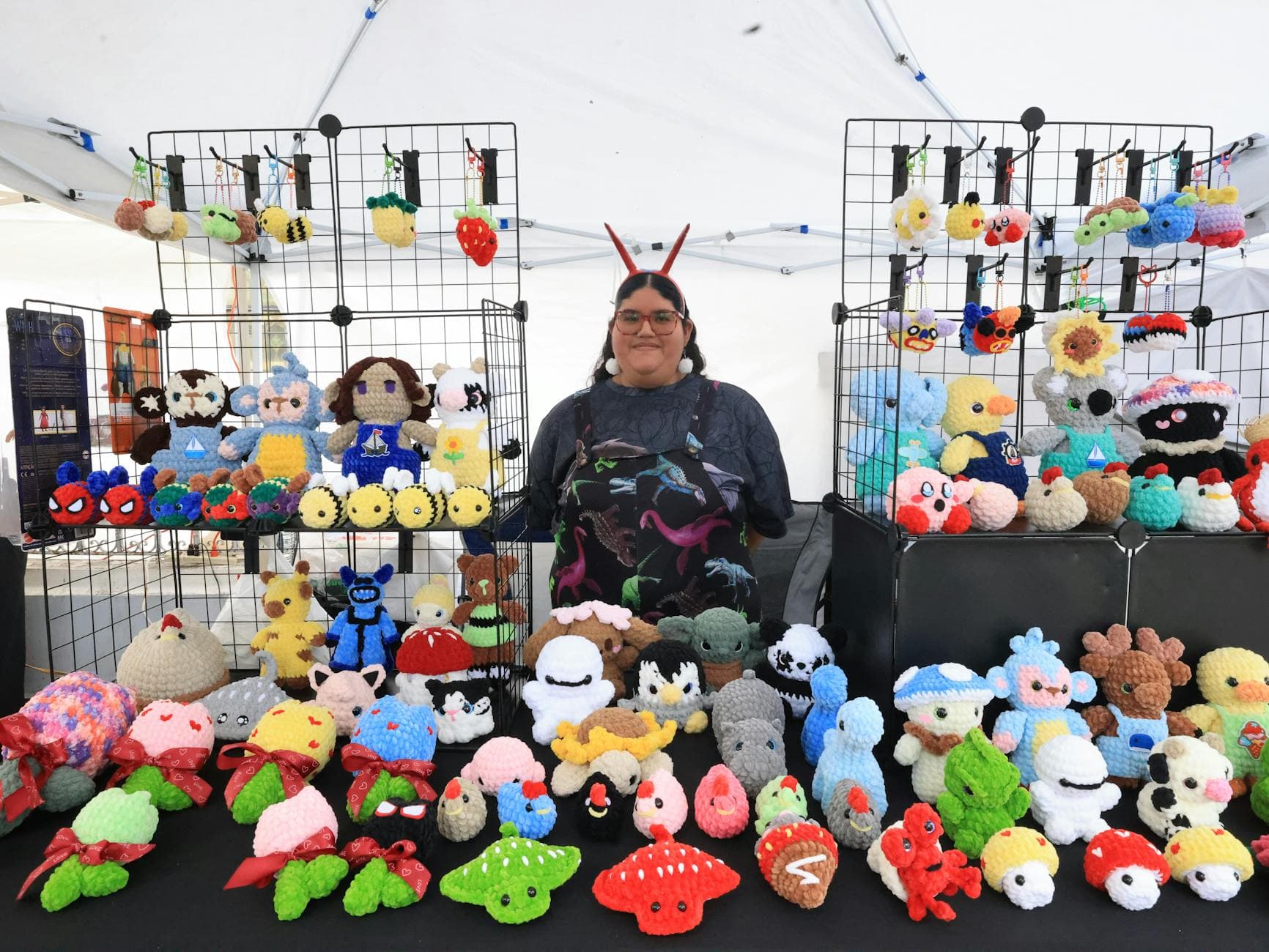
The format also fits the larger amigurumi tradition. Amigurumi is the Japanese craft term for small stuffed yarn creatures, and it combines ami and nuigurumi. It grew in popularity in Japan in the 1970s alongside kawaii culture, then spread globally in the 2000s through internet craft-sharing.
That history explains why a project like this lands so well now. Amigurumi has always been about more than stuffing yarn into a shape. It is about character, scale, and the small visual choices that make a figure feel collectible. The frog’s eye bumps, the cat’s ears, the bobbled limbs, and the hanging swing all serve that goal.
A scene that earns its shelf space
The strongest thing about Crochet Frog & Cat on Swings is that it understands the difference between making an amigurumi and staging one. The pattern gives you two characters, two seats, and a suspension system that turns the whole thing into a display-ready scene. That is the kind of idea that survives beyond the first glance, because once the frog and cat are hanging in place, the project stops being just another plush and starts looking like a tiny handmade setup with real personality.
This article was produced by Prism’s automated news system from verified source data, official records, and press releases, then run through automated quality and moderation checks before publishing. The system is built and supervised by the people who set the standards it runs under. Read our full AI policy.
Did this article answer your question?