Crochet pattern abbreviations explained, how to read stitches and repeats
The real trick in crochet is not the stitch, it is the shorthand. Learn the repeats, symbols, and abbreviations, and written patterns open up fast.
Why crochet shorthand feels harder than crochet itself
The first wall many new crocheters hit is not the hook work. It is the line of abbreviations, punctuation, and repeats that makes a pattern look more advanced than it really is. Michelle Moore’s approach cuts through that panic by treating crochet language like a set of building blocks, not a secret code.
That shift matters because shorthand exists for a reason: it keeps patterns shorter, easier to scan, and less repetitive. AllFreeCrochet puts it plainly, saying that writing every stitch name in full could take pages and pages. Once you understand the system, the page stops feeling crowded and starts reading like instructions you can actually use.
The abbreviations you will see again and again
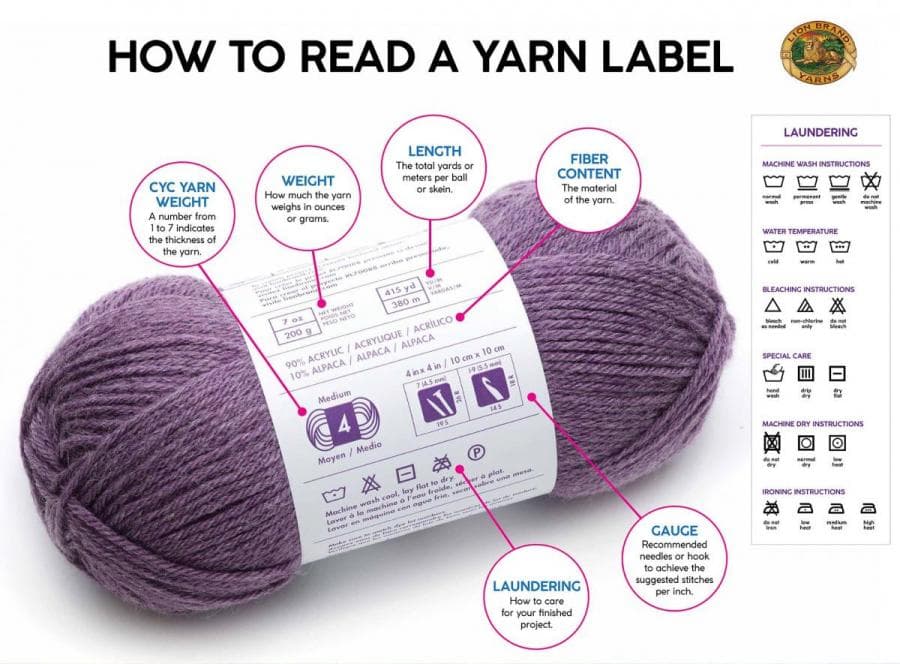
Most first patterns rely on a small core of terms that appear over and over. Moore points readers toward the abbreviations that show up in many projects, and Yarnspirations makes the same point by listing standard abbreviations in its crochet guides and at the end of individual patterns.
- chain, often written as ch
- single crochet, sc
- half double crochet, hdc
- double crochet, dc
- treble crochet, tr
- slip stitch, sl st
- stitch, st
- stitches, sts
- repeat, rep
You do not need to memorize every term before starting a pattern. Moore’s advice is more practical than that: read slowly, break the line into pieces, and keep the abbreviations section close as a reference. Yarnspirations says those tables are there to clarify questions in free patterns, which is exactly how they should function at the start.
How punctuation tells you what to do next
A lot of beginners can make the stitches themselves and still get stuck on the punctuation. That is because crochet punctuation is doing real work, telling you where a sequence starts, where it ends, and how many times to work it. Moore highlights three marks that matter most early on: parentheses, brackets, and asterisks.
Parentheses can group instructions or show multiple sizes. Brackets can mark instructions to be worked as directed. Asterisks signal a repeat sequence, and AllFreeCrochet notes that double asterisks can mark the section between them for repetition as well. Once you notice those symbols, a line that looked dense begins to separate into smaller, repeatable pieces.
A good habit is to read a line in chunks instead of trying to swallow it whole. If you see a repeat mark, stop and identify the section it controls before you pick up your hook. That habit saves far more time than guessing and frogging later.
US and UK terms are not the same language
One of the quickest ways to get turned around in a pattern is to assume that every designer uses the same crochet vocabulary. Moore reminds readers to watch the difference between US and UK terms, because the names for familiar stitches are not always interchangeable. A pattern written in one system can look perfectly ordinary while meaning something very different in the other.
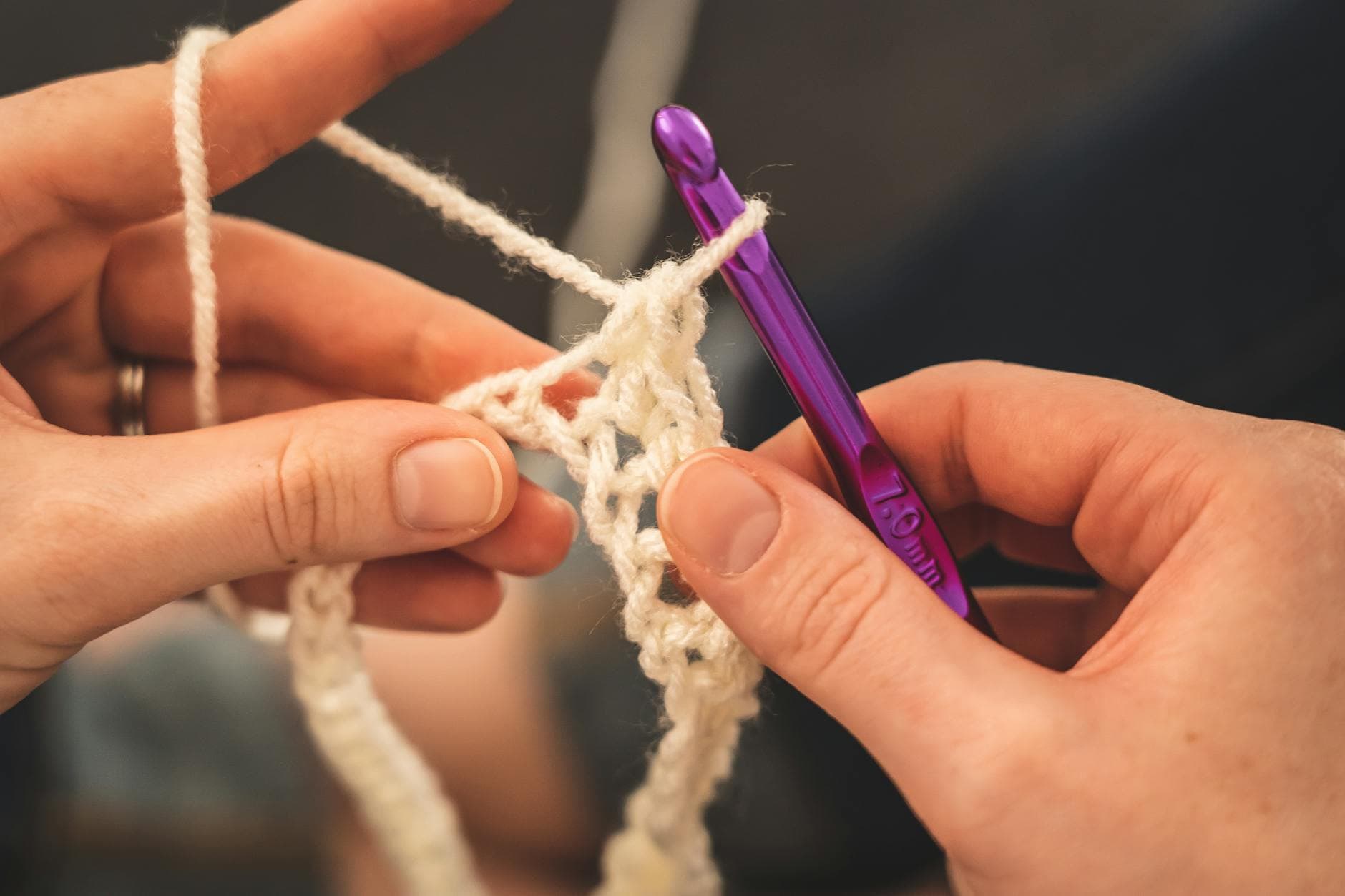
That is why the abbreviations section matters so much. If a pattern uses an unfamiliar term, a legitimate pattern should include its own abbreviations section, so you do not have to guess. Before you commit to a project, check whether the designer is using US or UK language, then keep that choice in mind all the way through the instructions.
Symbol charts are worth learning sooner than you think
Text instructions are only one way crochet patterns are written. Yarnspirations notes that instructions may appear in text, with or without abbreviations, and also in symbol charts. That matters because symbol charts open the door to a wider range of patterns, especially once you want to move beyond the most basic written directions.
Yarnspirations also says the Craft Yarn Council has adopted a set of standardized crochet symbols that are generally used across patterns. That standardization is the real gift here: the symbols become a second reading system you can learn once and use many times. If you already rely on written abbreviations, chart-reading is the next layer of confidence.
A simple way to decode a pattern line
When a line looks busy, slow it down and translate it piece by piece. The goal is not to memorize the whole pattern at once; the goal is to recognize the pattern’s grammar before you start stitching.
1. Find the abbreviations section and identify every unfamiliar term.
2. Look for punctuation first, especially parentheses, brackets, and asterisks.
3. Separate the row into stitch counts and repeat groups.
4. Check whether the pattern uses US or UK terms.
5. Read the line again, this time as instructions instead of symbols.
That method turns reading into a habit instead of a hurdle. The more you do it, the less intimidating a page of crochet instructions becomes, because you start seeing familiar pieces instead of one long block of text.
From tutorial watching to pattern confidence
This kind of guide does more than define terms. It gives you the bridge between watching crochet happen and actually following a written pattern on your own. The payoff is practical and immediate: once abbreviations, repeats, and symbol charts stop feeling mysterious, you can choose more projects and trust yourself to read them.
That is the real value of Moore’s lesson and the pattern publishers’ advice around it. The hurdle is not your stitch skill. It is learning the language that tells you what to do with that skill, one abbreviation and one repeat at a time.
This article was produced by Prism’s automated news system from verified source data, official records, and press releases, then run through automated quality and moderation checks before publishing. The system is built and supervised by the people who set the standards it runs under. Read our full AI policy.
Did this article answer your question?