Tiffany's 30-Minute Crochet Coasters Blend Texture and Practicality
Tiffany’s five-inch coaster pattern turns an ordinary household staple into a fast win you can finish in under 30 minutes.
Why this coaster earns its place
More than 50 million people know how to knit, crochet, or craft with yarn, and Tiffany’s coaster pattern is built for the kind of quick project that keeps those hands moving. It solves a simple problem well: protect the table, use up cotton scraps, and finish with something that feels useful the moment you set down a mug.
That is why this pattern lands so easily with beginners and experienced makers alike. If you want practice with basic stitches, it gives you a small, repeatable project without a big time commitment. If you want a stash-buster, it gives you a clean way to turn leftover cotton into something you will actually use.
What you need before you start
The materials list is refreshingly straightforward: cotton yarn, a 4.0 mm hook, a stitch marker, scissors, and a tapestry needle. That is exactly the kind of setup that makes a quick coaster pattern feel approachable instead of fussy, especially if you are trying to crochet after work or squeeze in a project between other obligations.
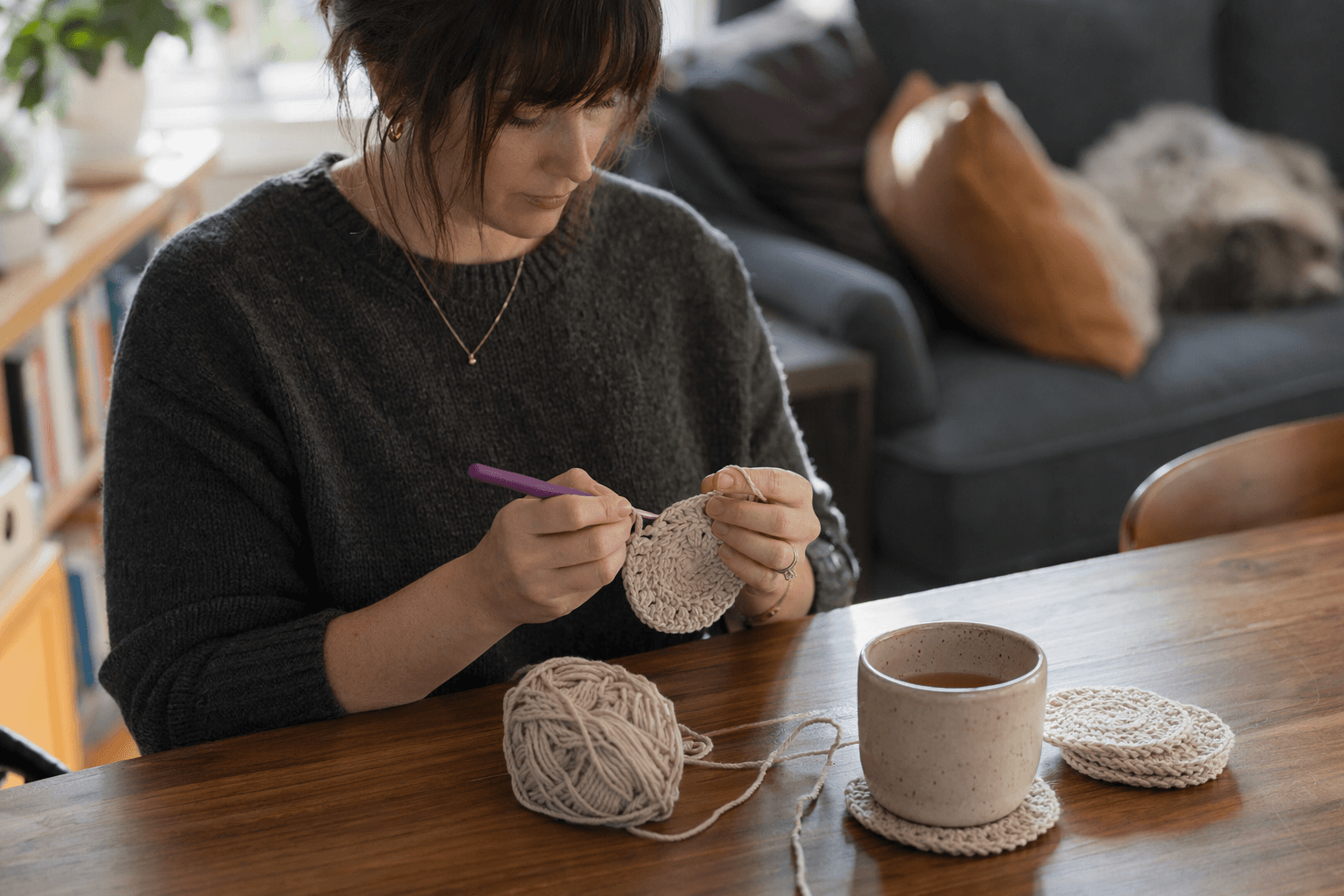
The finished coaster measures about five inches across, which is the sweet spot for a drink coaster. It is large enough to show off the texture and shape of the design, but still compact enough to stay practical on a side table, desk, or nightstand. Cotton is the right choice here, too, because it is absorbent, durable, easy to care for, and able to handle frequent washing.
How the pattern builds its texture
Tiffany works the coaster in continuous rounds, which keeps the process smooth and repetitive rather than stop-and-start. That matters more than it sounds like it does. Continuous rounds help the project feel meditative, and for newer crocheters they reduce the mental clutter that can come with constantly joining and chaining.
The shaping begins with half double crochet increases, then grows outward until the coaster reaches its final size. That simple structure is part of the appeal: you are not wrestling with complicated stitch counts or delicate shaping, just building a neat circle with clear progress at every round. The last decorative round adds extra texture and gives the piece a finished edge, so the result feels polished even though the construction is quick.
Why the speed matters
The best thing about this pattern is not just that it is small. It is that it gives you a useful object in under 30 minutes, which is the kind of payoff that keeps people crocheting. That speed makes it a strong choice for an afternoon or evening session, especially if you like the satisfaction of finishing something before the yarn still feels warm in your hands.
Interweave makes a similar point with its own easy square coaster pattern, which it describes as fast to whip up in less than 30 minutes. That lines up with what works best in crochet: small projects with a clear purpose, a manageable skill level, and a finished item you can put to use right away.
A practical finish, not a perfect one
Tiffany includes the sort of finishing note that new crocheters actually need. If the coasters do not lie flat at first, she says they can be steamed or gently pressed with a steamer, though they usually flatten on their own with use. That is useful because it takes the pressure off perfection and replaces it with a realistic, low-stress fix.
For anyone learning crochet, that kind of guidance matters. A coaster does not have to emerge from the hook looking absolutely flawless to be successful. If it protects a surface, holds its shape, and looks good enough to leave out in the open, it is doing its job.
Why cotton coasters keep showing up in crochet
There is a reason cotton coaster patterns keep coming back in crochet circles. Cotton holds up to daily use, absorbs drips well, and can be washed again and again without much drama. That makes it the obvious material for something that is going to sit under cold glasses, hot mugs, and the occasional splash of coffee.
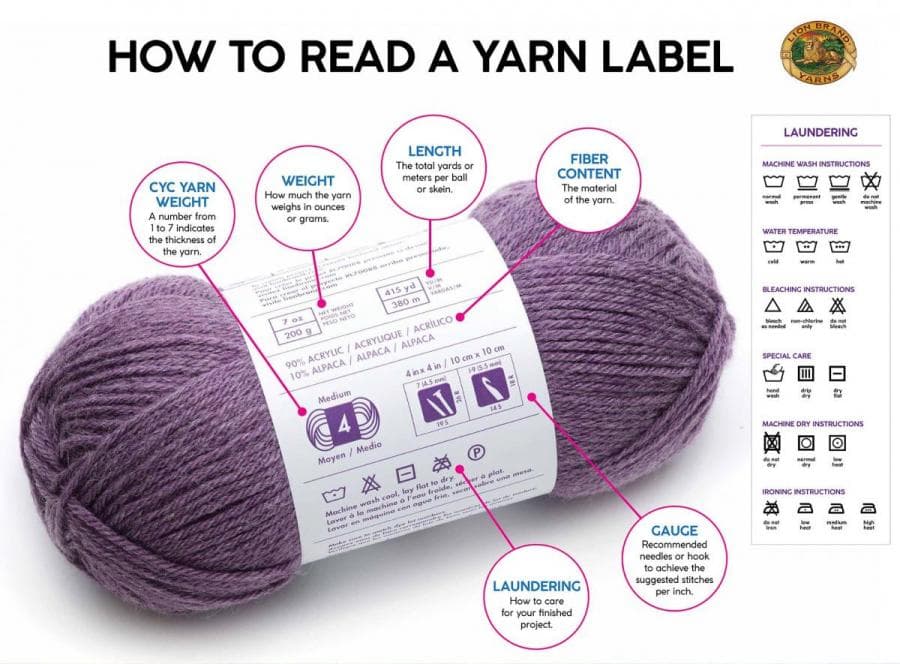
The Craft Yarn Council’s beginner resources fit neatly with that logic. Its crochet coaster materials and guidance encourage people to learn techniques by making a project, and its pattern-reading advice points new crocheters toward starting with the basic stitches before moving into their first real pattern. Tiffany’s coaster checks all of those boxes: it is small, practical, and structured enough to teach without overwhelming.
A small object with a long history
A coaster may be a tiny project, but the object itself has been around for a long time. Merriam-Webster defines a coaster as a shallow container or mat used to protect a surface, which is exactly what this pattern is designed to do. Coaster history sources trace drink coasters back to the early 19th century, when they were used to protect fine glassware, and early versions were often made of felt or paper.
That history gives a crocheted coaster a little more weight than its size suggests. It is part of a long tradition of making small household items that are both protective and decorative. Tiffany’s version keeps that tradition going while adding texture, color possibilities, and the satisfaction of making something by hand.
The gift angle makes it even better
This pattern also works because it does not stop at one coaster. Pair it with a mug and hot cocoa, and it becomes a simple, thoughtful gift set that feels personal without demanding a huge time investment. That is a big part of why quick home projects do so well: they solve a real need, look finished, and can be scaled into a present without turning into a production.
The ad-free PDF option adds to that appeal for makers who want a cleaner working experience. And because the pattern is so short and practical, it is easy to imagine making a full set from stash cotton in a single sitting. That is the kind of project that earns its place in your queue, not because it is flashy, but because it is useful, quick, and satisfying from the first round to the last.
This article was produced by Prism’s automated news system from verified source data, official records, and press releases, then run through automated quality and moderation checks before publishing. The system is built and supervised by the people who set the standards it runs under. Read our full AI policy.
Did this article answer your question?