Crocheter Turns Family Loss Into Hope for Cancer Patients
Cynthia Allgood turned devastating family losses into handmade chemo hats, giving cancer patients warmth, dignity, and a little relief when they need it most.
Family grief became a pattern she could repeat
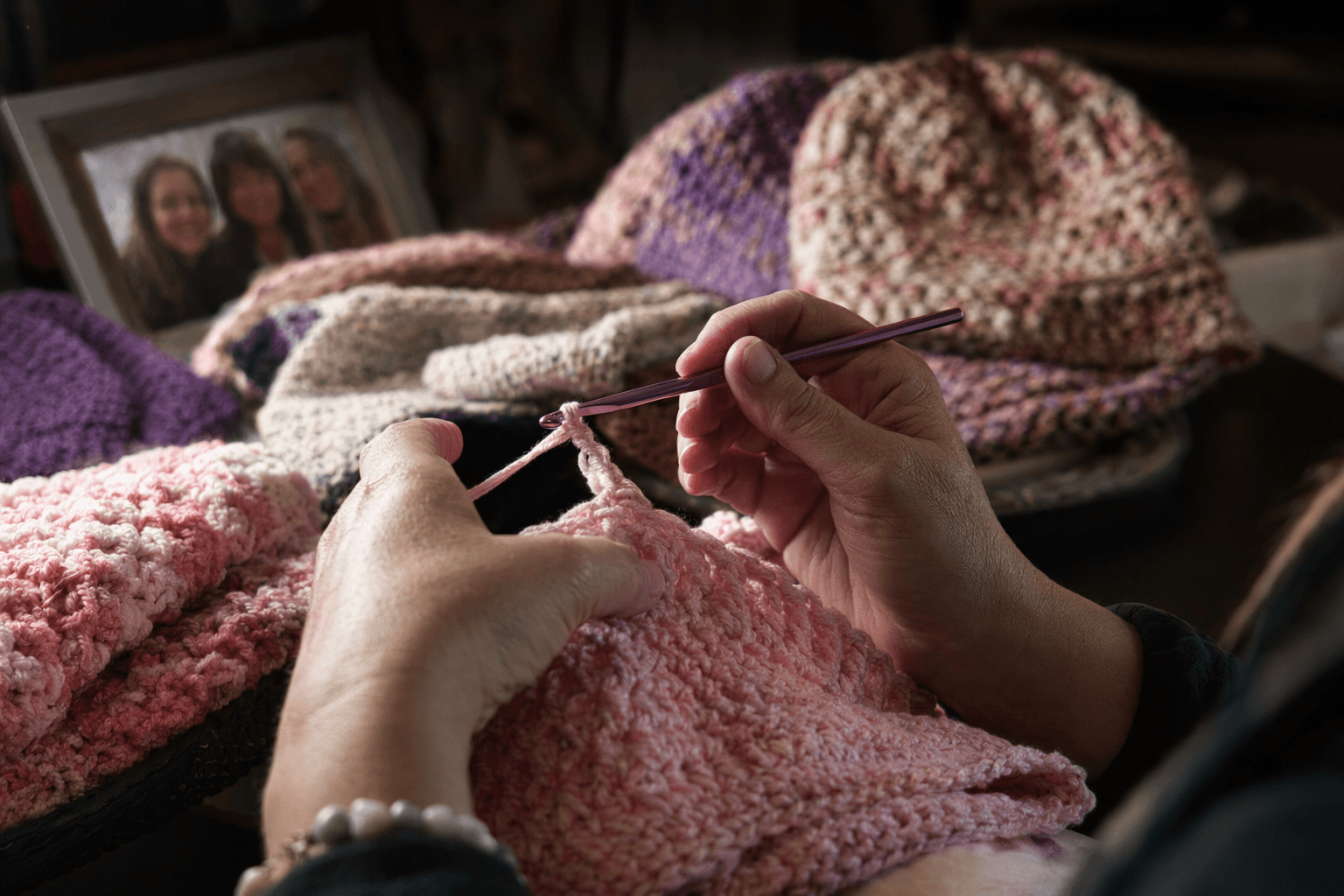
Cancer kept showing up in Cynthia Allgood’s family, and each loss added another reason to keep her hands busy. Her nephew Haden was diagnosed with brain cancer on the night of his 16th birthday party, after her family had already lived through her mother’s hysterectomy for cervical cancer, her sister’s loss of twin babies, and the deaths of her uncle and older brother from cancer.
That kind of history can flatten a person. Allgood did something more practical: she picked up crochet and started turning pain into items someone could actually use. She made a hat for Haden so he would feel less self-conscious about hair loss, and when he later died, she had already made more than 100 hats, scarves, and blankets.
Why a handmade hat matters during treatment
The reason these hats hit so hard is simple. Chemotherapy can cause hair loss, a side effect known as alopecia, and losing hair is not just a cosmetic issue. It can make a patient feel exposed every time they leave the house, sit under fluorescent lights, or face a mirror.
That is where a crocheted hat earns its keep. The American Cancer Society notes that hats can be a comfortable alternative for people coping with hair loss, and Allgood’s story shows why. A soft cap does more than cover a head. It can help someone feel less stared at, less clinical, and a little more like themselves on a day when treatment has already taken enough.
From one hat to a repeatable act of care
What makes Allgood’s story so compelling for crocheters is that she did not stop at a one-off gesture. She turned grief into a system she could keep using, which is exactly how handmade giving becomes sustainable. By the time Haden died, she had already built a stash of more than 100 finished pieces, and that meant she was no longer depending on a burst of emotion to help someone else.
She also widened the reach of the work. Allgood contacted Chattanooga Cancer Support Services, which accepted her donated hats, and office manager Kim Newport said patients were “humbled that someone is thinking of them.” That reaction gets to the heart of why this kind of project matters: patients are not just getting yarn and stitches, they are getting proof that somebody took time for them.
Allgood also launched a GoFundMe in Haden’s name to help families with medical bills, which ties the emotional side of cancer care to the financial side. A hat can warm a head, but bills can still drain a family dry. Her response covered both realities, which is part of why the story lands so hard.
The scale of the work is what makes it believable
Allgood’s hands kept moving. A separate January report said she had made at least 300 knit winter hats in the previous couple of years, and that she lost five relatives in two years, including Haden. Her nonprofit, Haden’s Hat Company, had been going for about three years and carried the motto “Sharing Hope and Love one hat at a time.”
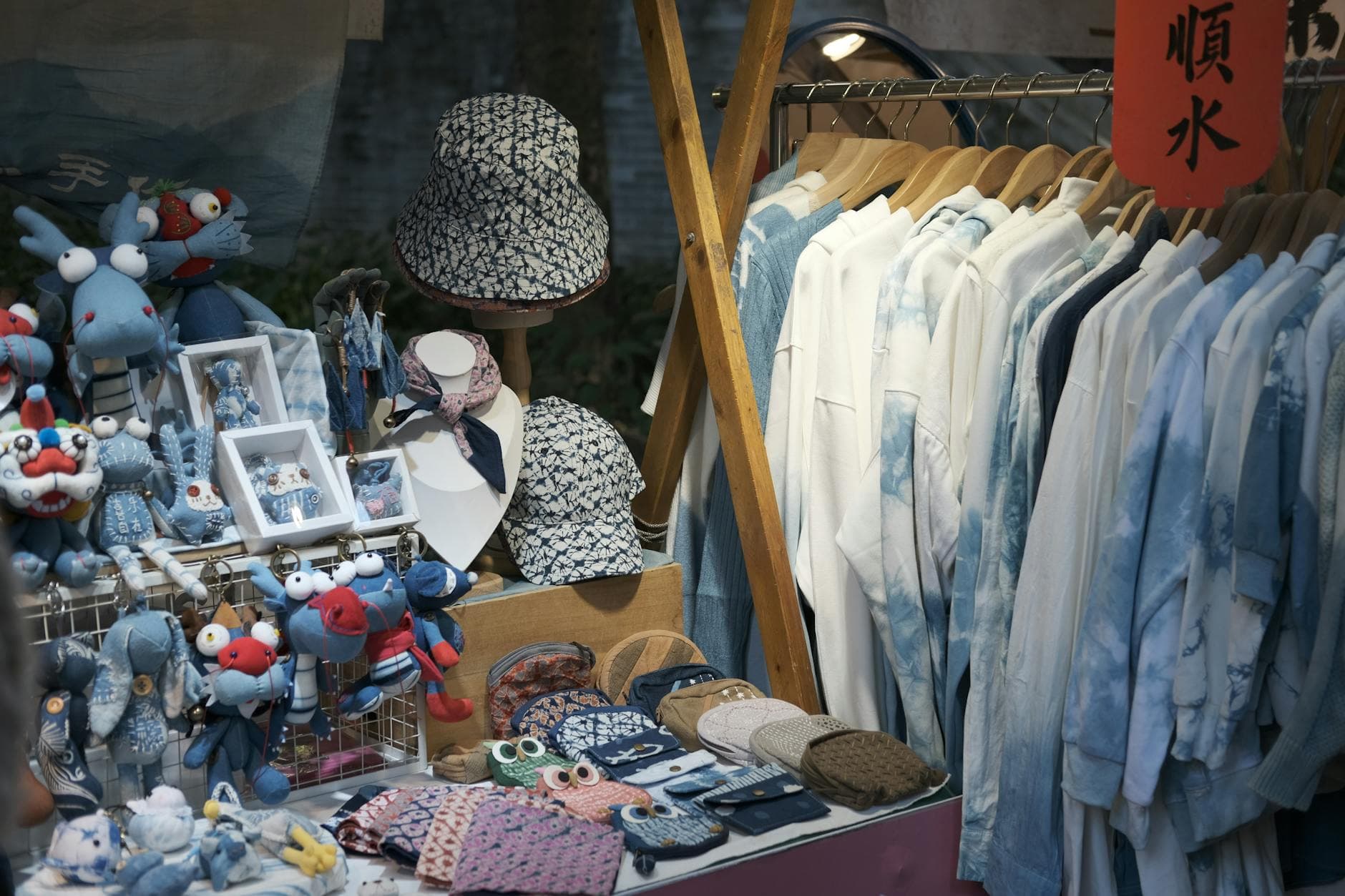
That scale matters. It shows this was not a feel-good craft project that fades after a weekend. It was a repeatable response to loss, built one hat at a time, and strong enough to last through years of grief. For crocheters, that is the real lesson: the most useful handmade projects are often the ones you can do again and again without burning out.
What makes a cancer hat worth wearing
A good chemo hat is not about flair. It is about comfort, ease, and the kind of quiet dignity that lets the wearer get through the day without fidgeting with their headwear every few minutes. The best handmade pieces in this space do three things well:
- They feel soft enough for sensitive skin.
- They cover hair loss without looking medical.
- They are easy to wear for a long appointment, a grocery run, or a ride home after treatment.
That is why handmade caps matter so much. They do not solve cancer, but they do solve a smaller, immediate problem: how to get through a day feeling a little warmer and a little less self-conscious. In a world of IVs, scans, and bills, that is not small.
Part of a much larger handmade tradition
Allgood’s hats also sit inside a broader crochet and knitting tradition that has been serving cancer patients for years. Crochet for Cancer, Inc. donates handmade chemo caps to cancer centers for patients coping with hair loss. Knots of Love, founded in 2007, says it has provided more than 695,000 handmade gifts free of charge, including beanies and blankets for people going through chemo.
That larger picture matters because it proves Allgood is not an outlier. She is part of a wide, practical network of makers who understand that comfort can be donated, packaged, and delivered just like anything else. The materials are simple. The impact is not.
The takeaway for crocheters
Allgood’s story is powerful because it shows exactly where crochet can shine: in a project that is fast enough to repeat, personal enough to matter, and useful enough to leave a mark. She took family tragedy, especially Haden’s death, and turned it into a body of work that keeps helping strangers who are dealing with hair loss, fear, and medical bills.
That is the real value here. One hat can soften a hard day. A hundred hats can build a small system of care. And when those hats are made in memory of someone loved, the stitches carry more than warmth. They carry proof that grief can be converted into something steady, useful, and deeply human.
This article was produced by Prism’s automated news system from verified source data, official records, and press releases, then run through automated quality and moderation checks before publishing. The system is built and supervised by the people who set the standards it runs under. Read our full AI policy.
Did this article answer your question?