Fix Stiff Crochet Wraps With Better Hook Sizes, Yarn, and Blocking
A stiff crochet wrap is almost always fixable without frogging. The culprits, hook size, yarn blend, and skipping the wash, have straightforward solutions.
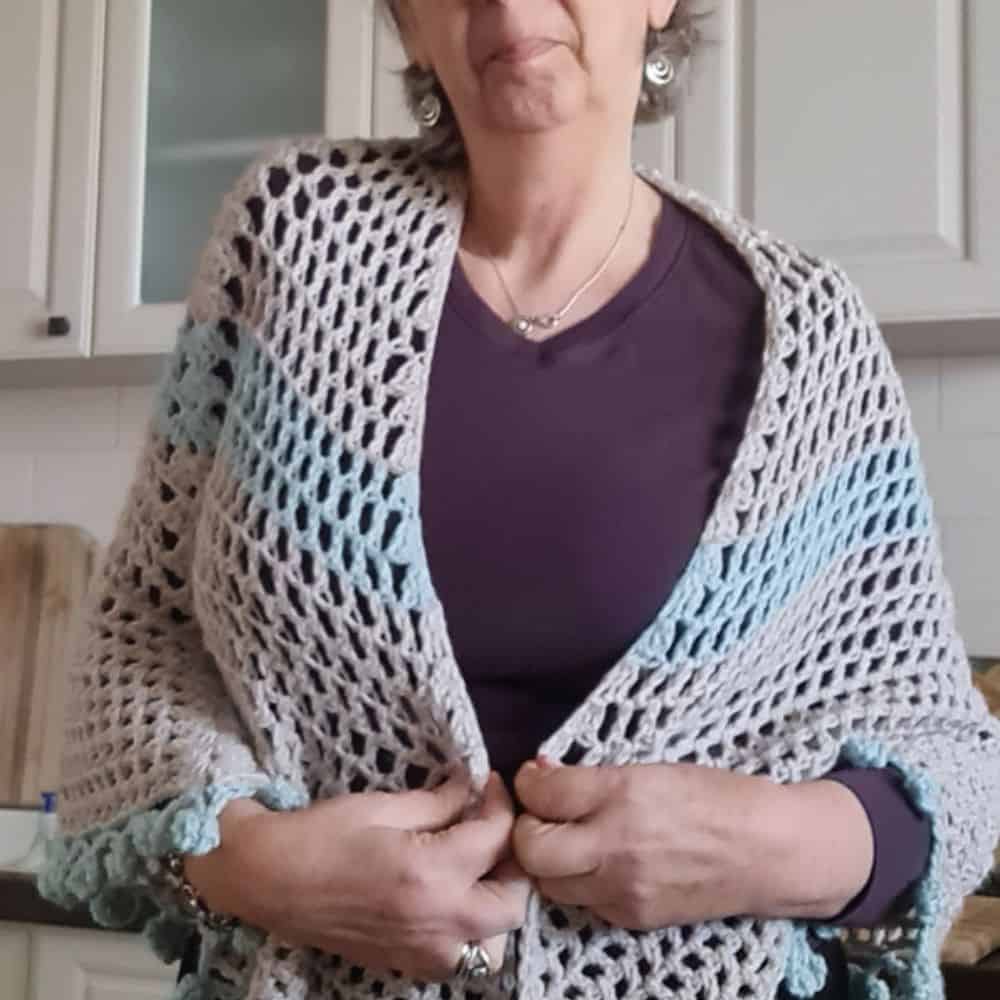
You finished the wrap. You cast off, wove in your ends, and held it up expecting something flowing and elegant. Instead it holds its shape like a piece of cardboard. This is one of the most common disappointments in wearable crochet, and it almost always has a fixable cause. The good news: most stiff wraps and shrugs can be rescued, and future ones can be prevented entirely with a few adjustments you can make before you even cast on.
Hook Size Is the First Thing to Check
Sandra Regev of Sandra Stitches identifies hook size as the single most common reason a crochet wrap comes out stiff. The label on your yarn skein suggests a hook size, but that recommendation is calibrated for a firm, even fabric, which is exactly what you don't want in a garment meant to drape over your shoulders. Regev's advice is direct: go up one to three hook sizes from what the label says. A yarn recommended for a 5mm hook might produce a wrap with far better movement when you work it on a 6mm or even a 7mm.
The practical proof is in Regev's own experience. She describes reworking a stiff wrap simply by switching to a larger hook, with the result that the piece immediately had the fall and flow she was going for. No new yarn, no new pattern, just a different hook. If you're in the early rows of a project and something already feels dense and rigid in your hands, that's your signal to stop and swatch on a larger hook before committing further.
Yarn Choice: Blends Beat Pure Cotton
Yarn type is the second major factor, and it's worth understanding before you shop. Cotton is the most common culprit here. It's heavier than other fibers, has almost no elasticity, and produces a fabric that tends to hold its shape rigidly rather than draping softly. Pure acrylic varies widely, so it's not automatically a bad choice, but it also isn't a guaranteed fix.
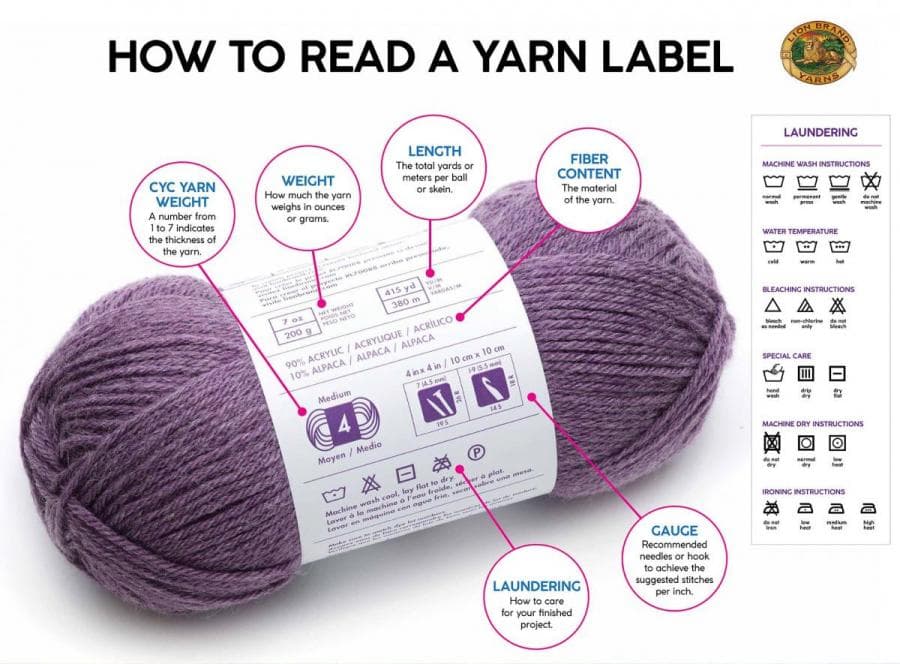
What actually works well for wraps and shrugs is a cotton-nylon or cotton-polyamide blend. The synthetic component introduces just enough elasticity and lightness to counteract cotton's natural stiffness. When you're standing at the yarn shop trying to decide between two skeins, Regev recommends the squeeze test: give the skein a firm squeeze, then release it. A yarn that springs back and feels soft and pliable in your hands is far more likely to produce a drapey finished fabric than one that compresses into a dense brick. Check the label, too, and look for blend components listed alongside the fiber content. Nylon or polyamide percentages, even in small amounts, are a good signal for better drape potential.
Stitch Choice Makes a Real Difference
Even with the right hook and the right yarn, a pattern built from wall-to-wall single crochet will fight you. Dense stitches lock the fibers together and reduce the fabric's ability to move. Open stitches, particularly the V-stitch and standard double crochet, leave more space between the worked loops, which allows the fabric to shift and swing the way a wearable garment should.
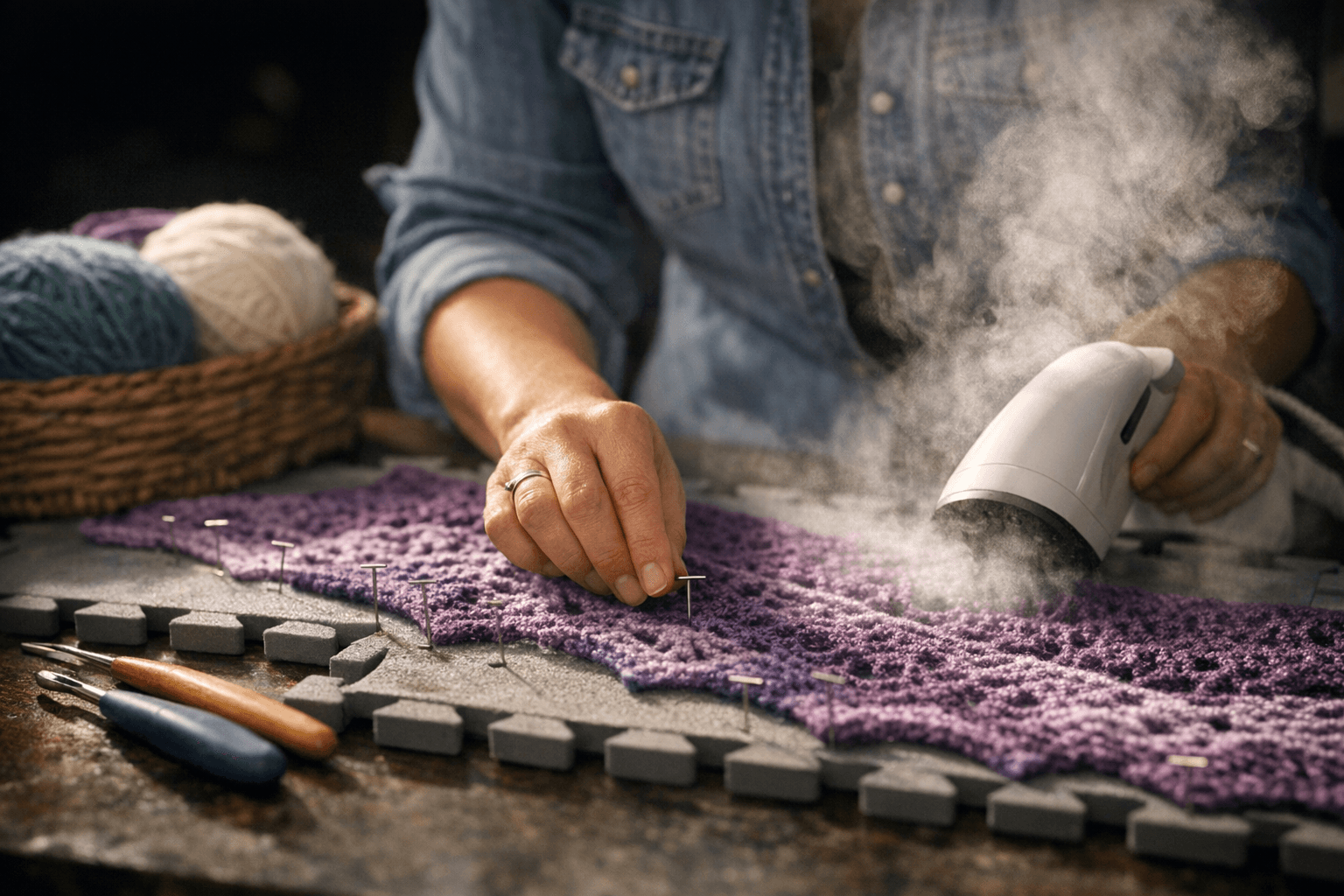
This doesn't mean single crochet has no place in wearable crochet, but if you're specifically troubleshooting stiffness, swapping even a portion of single crochet sections for double crochet can transform the texture of the finished piece. Many popular wrap patterns are already written with this in mind, but if you're adapting a pattern or designing your own, stitch openness is a lever worth pulling.
Rescuing a Finished Wrap Without Frogging
If the project is already done and blocking hasn't happened yet, don't reach for the scissors. Regev recommends putting the finished piece through a gentle machine wash cycle with fabric softener, then laying it flat to dry. For acrylic fibers especially, this process relaxes the strands and often produces a noticeably softer, more drapey result without any reworking. It's worth trying before you consider frogging, because the transformation can be significant.
Laying flat to dry is important here, not hanging. A wet crochet garment hung from a hanger will stretch in unpredictable ways and may distort the shape you worked to achieve. Flat drying lets the fibers relax evenly, which is the whole point of the exercise.
What This Means for Designers and Teachers
For anyone writing patterns or teaching workshops, the stiffness problem is a useful diagnostic to build into your workflow. Pattern designers in particular can reduce frustrated messages and negative reviews by including explicit drape notes in their published patterns, along with suggestions for alternative hook sizes and yarn blends suited to the style. It's a small addition to pattern instructions that pays off in maker satisfaction.
For classroom instructors, the fixes Regev outlines translate cleanly into troubleshooting checklists. When a student shows up to the next session with a stiff project in hand, running through hook size, yarn type, and stitch structure covers the majority of cases quickly. Pattern testers, too, can add a drape check to their evaluation criteria when testing garment patterns, making it part of the feedback cycle before a pattern goes to market.
The underlying skill being built here is technical literacy about how fiber, tension, and structure interact. Every maker who understands why a wrap stiffens, rather than just accepting it as an outcome, is better equipped to adapt patterns, make confident yarn substitutions, and troubleshoot independently. That's the kind of knowledge that keeps projects off the frog pile and on your shoulders where they belong.
This article was produced by Prism’s automated news system from verified source data, official records, and press releases, then run through automated quality and moderation checks before publishing. The system is built and supervised by the people who set the standards it runs under. Read our full AI policy.
Did this article answer your question?