Free Spring Tulip Crochet Pattern Offers Beginners a Quick Evening Project
TJ's free Spring Tulip pattern on Passionate Crafter uses just 10 g of worsted yarn and wraps up in a single evening, making it an ideal scrap-busting first flower for beginners.
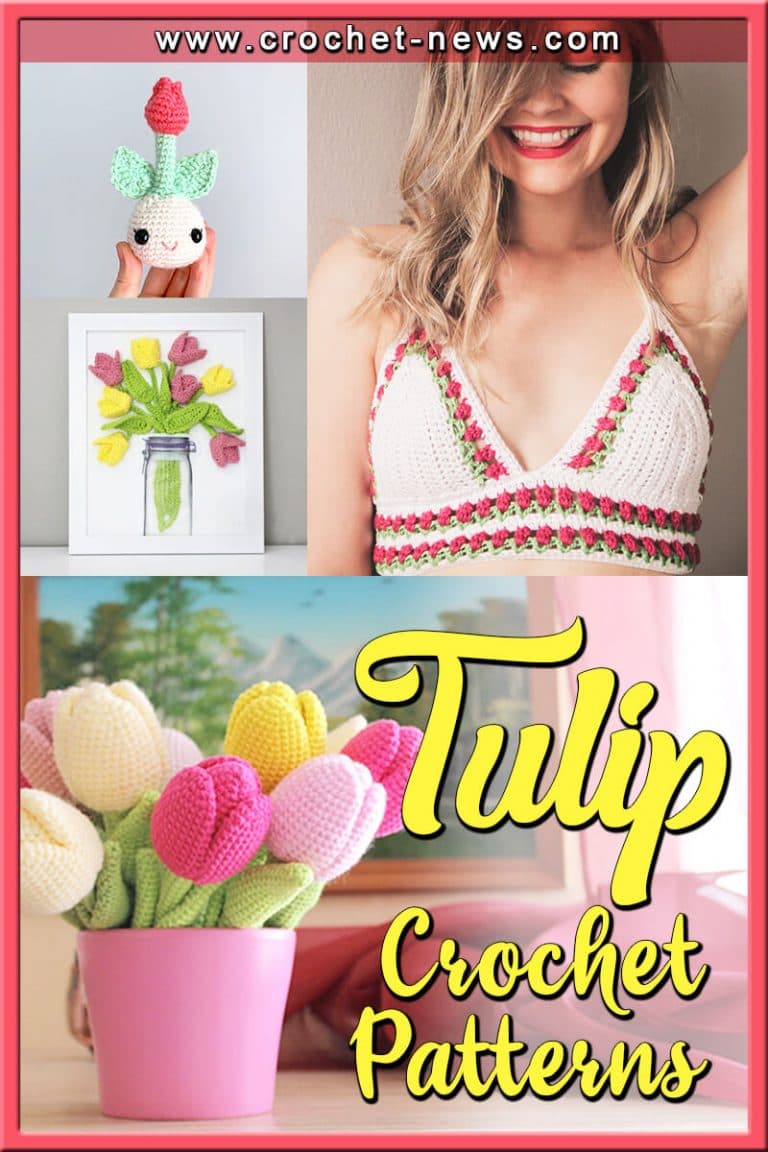
A single tulip, standing about 3.5 inches tall and demanding barely a handful of yarn, can anchor a spring vase, finish off a teacher gift, or kick off a craft fair bundle without claiming an entire weekend. That's the core promise behind the free Spring Tulip crochet pattern released by TJ on Passionate Crafter, and it's one this project delivers cleanly. Positioned as a "quick project (perfect for an evening)," this tulip hits every mark that makes a seasonal make genuinely worth your time: it's free, fast, visually rewarding, and accessible enough that someone picking up a hook for the second or third time can follow it start to finish.
What You'll Need Before You Cast On
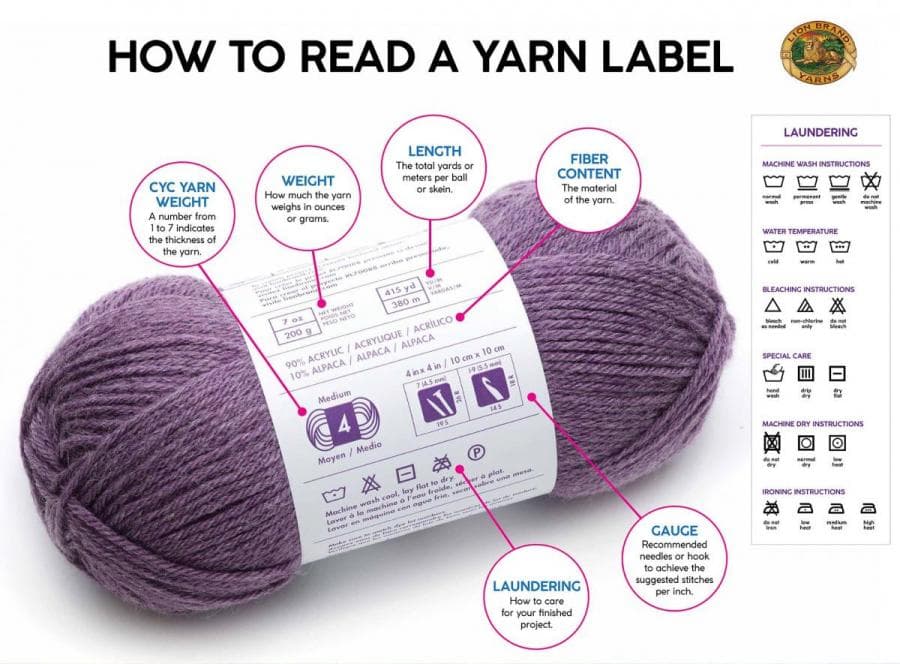
The materials list is refreshingly short. You'll need worsted weight (#4) yarn in your chosen bloom color, roughly 10 g for the main tulip body, and an additional 5 to 10 g in a contrasting or coordinating color for the stem and leaf. A 5.0 mm hook is the recommended size, and the remaining supplies are things most makers already have on hand: a tapestry needle for finishing, a small amount of stuffing to give the bloom its shape, and optionally, wire or a wooden stem to create a freestanding flower. The wire option is a smart addition, converting what could be a flat decorative piece into something you can actually tuck into a vase or floral arrangement.
One of the most crochet-friendly notes in the pattern is that gauge is explicitly not critical here. That freedom matters, because it means scrap yarn from your stash is entirely fair game. If you're running through leftover worsted from a bigger project, this tulip is the ideal way to use those small remnants rather than letting them collect in a bin. The low yardage requirement also makes it a genuinely sustainable make: you're producing something beautiful out of materials that might otherwise go unused.
How the Tulip Is Constructed
The tulip is worked in separate parts and then assembled, a construction method that keeps each individual element simple even if you're not yet comfortable with complex shaping. TJ writes the pattern in US crochet terminology, with spiral round guidance included where the construction calls for it, so you won't lose your place working in the round. Working flat pieces and joining them is a forgiving approach for beginners: if one petal doesn't look quite right, you can rework it independently before committing to the final seam.
The assembly instructions are included in the pattern, walking you through how the parts come together into the finished bloom. This step-by-step approach to joining is often where flower patterns lose newer makers, so having it spelled out rather than assumed is a genuine advantage. Once assembled, the finished tulip measures approximately 3.5 inches (9 cm), compact enough to arrange in multiples but substantial enough to read clearly as a decorative piece.
Photo Tutorial and Video Walkthrough
For visual learners, the pattern pairs written instructions with photo illustrations at each key stage, which is especially valuable when you're trying to understand how a petal curves or how a spiral round closes. Beyond the photos, TJ included an accompanying video walkthrough, making this one of the more thoroughly supported free patterns available for this type of project. Being able to pause and rewatch a technique rather than re-reading a written instruction is the difference between a frustrating evening and a satisfying one, particularly for anyone new to working in the round or constructing dimensional pieces.
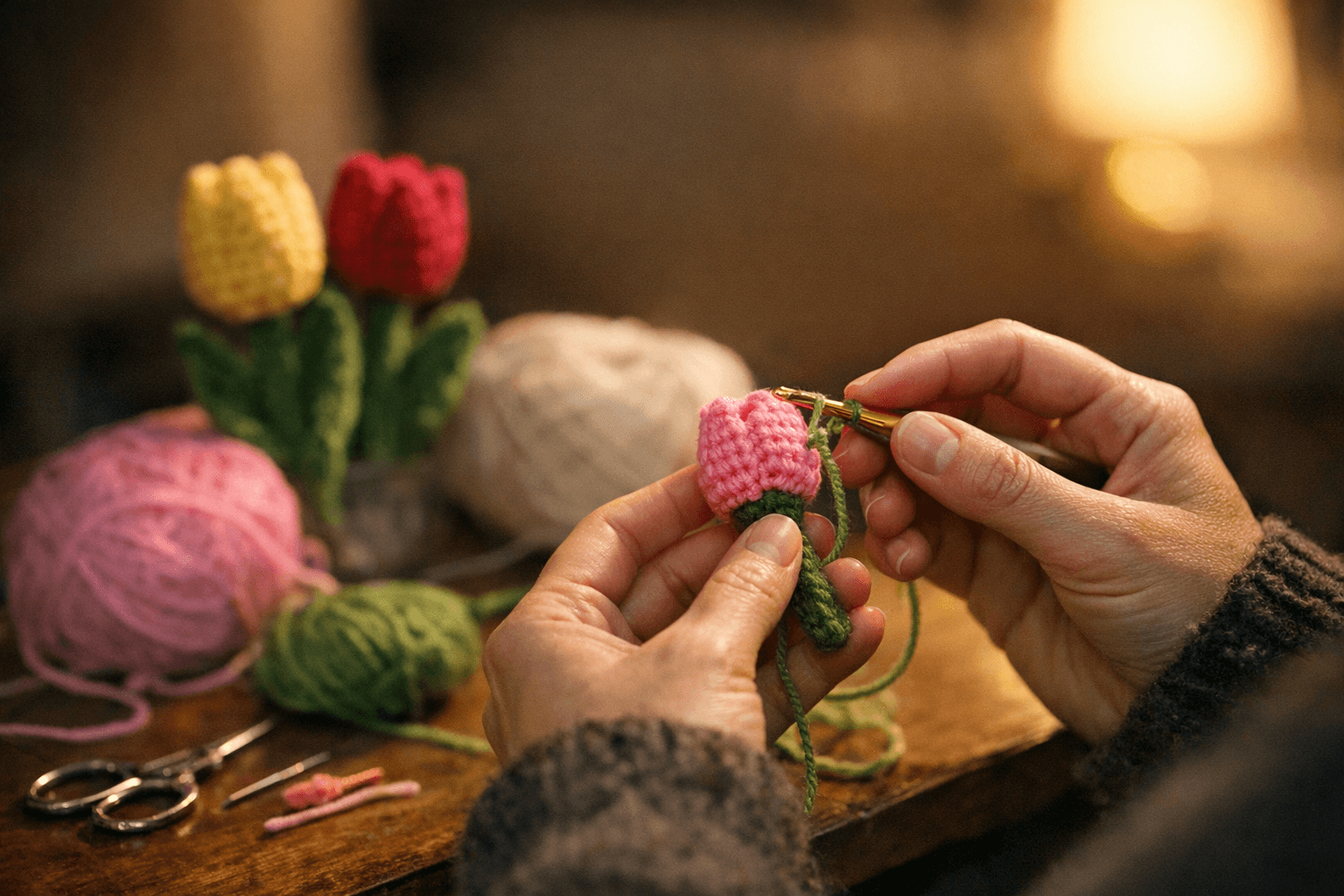
The dual-format support, written plus video, means the pattern serves both the maker who prefers to read ahead and plan, and the one who learns by watching hands in motion. It's a small but meaningful design choice that removes a common friction point for beginners.
From One Bloom to a Full Spring Spread
A single tulip takes an evening. A bouquet of five takes a weekend. That scalability is where this pattern quietly becomes useful beyond its beginner positioning. For makers who sell at craft fairs or on online platforms, a bundled tulip bouquet represents a smart value proposition: material costs are minimal (a full bouquet might use less than 60 g of yarn total), but a finished display of mixed-color crochet tulips carries significant visual and perceived value. Wire stems let you arrange them naturally, and varying yarn colors turns a repeatable pattern into a bespoke product.
For those making seasonal gifts, a small bunch of crocheted tulips, perhaps in a teacher's favorite colors, sidesteps the impermanence of real flowers while keeping the same spring warmth. Because the pattern is free and the materials are inexpensive, you can afford to make multiples without second-guessing the investment.
Part of a Larger Spring Collection
The tulip pattern lives within Passionate Crafter's Spring Crochet Collection, and the post includes a curated list of related Easter and spring patterns for makers who want to keep the seasonal momentum going after finishing their first bloom. That context is worth paying attention to: browsing through complementary patterns often surfaces an Easter basket, a chick, or a coordinating flower that pairs naturally with the tulip for a fuller spring display or market set.
The collection framing also means this pattern is likely to stay discoverable well beyond its March 26 release date. Seasonal crochet collections tend to resurface on Pinterest boards and in search results each spring, making this the kind of free resource worth bookmarking even if tulip season is already winding down in your area.
For anyone who has been waiting for a low-stakes project to practice working in the round, joining assembled pieces, or simply finishing something in one sitting, TJ's Spring Tulip is precisely the kind of pattern the crochet community rallies around: free, well-supported, and genuinely useful whether you make one for your windowsill or twenty for a market table.
This article was produced by Prism’s automated news system from verified source data, official records, and press releases, then run through automated quality and moderation checks before publishing. The system is built and supervised by the people who set the standards it runs under. Read our full AI policy.
Did this article answer your question?