How to Half Double Crochet Decrease for Smooth Project Shaping
Hdc2tog is the clean decrease that keeps hats, sleeves, and shaped pieces smooth instead of lumpy.
Why hdc2tog is worth learning
Half double crochet decrease, or hdc2tog, is one of those stitches that quietly changes what you can make next. Instead of ending up with awkward gaps or a bumpy edge, you get a controlled taper that works for sleeves, waistlines, hats, beanies, and any project that needs shape without drama. The big payoff is simple: one decrease, one cleaner line, and one less reason to fight your pattern counts.
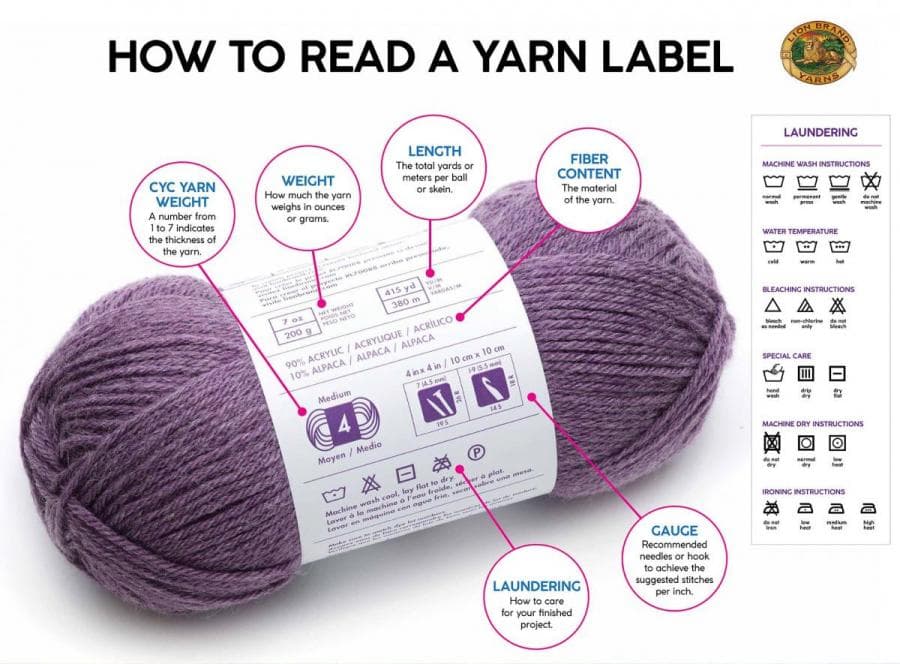
The reason this matters is that crochet construction lives and dies by shaping. The Craft Yarn Council’s U.S. terminology lists hdc as the standard abbreviation for half double crochet, and its pattern-reading materials lean heavily on abbreviations and chart symbols so instructions stay readable. Once you understand how hdc2tog fits into that system, it stops feeling like a trick stitch and starts feeling like a basic building block.
How to work hdc2tog
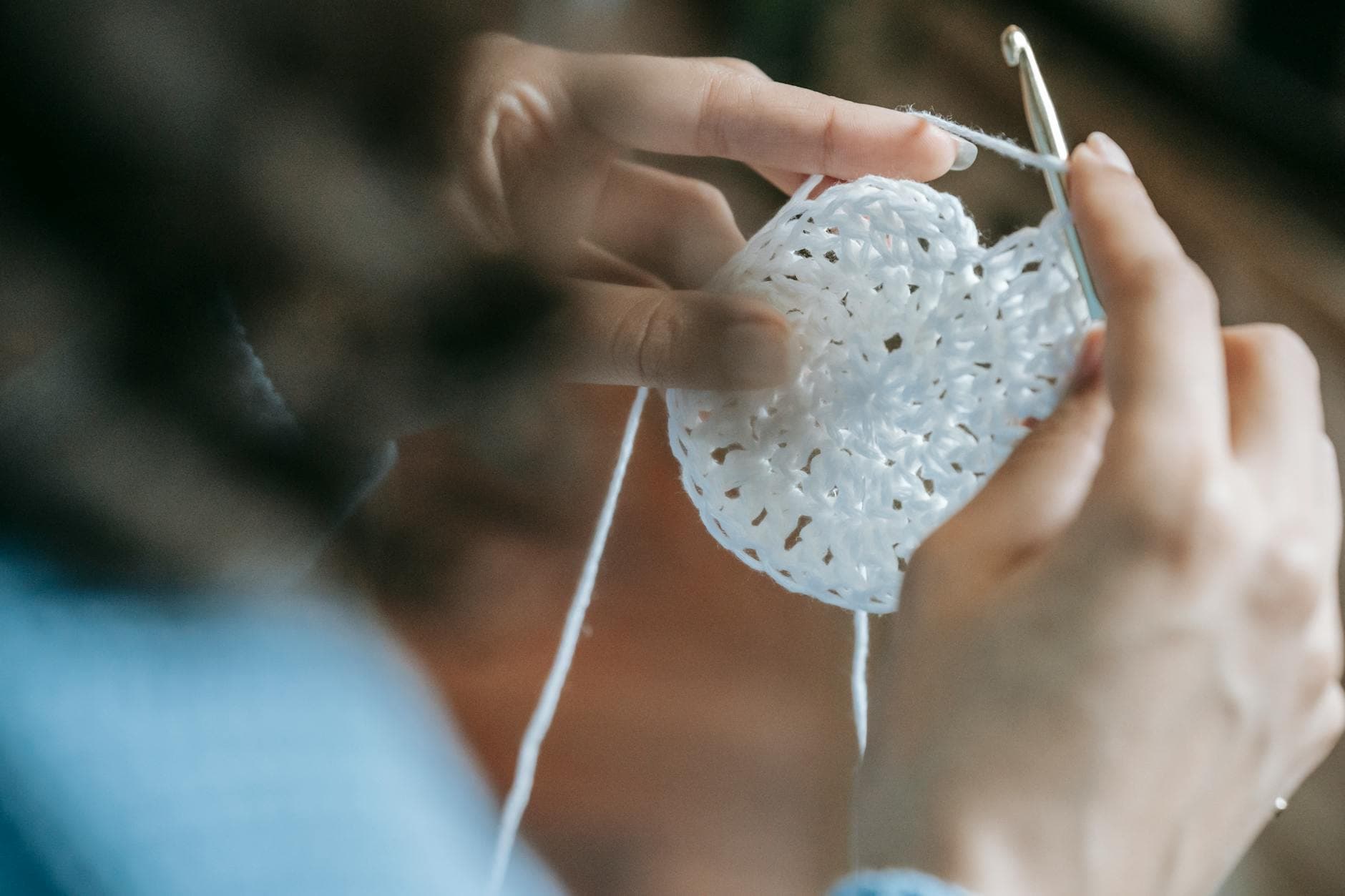
The mechanics are straightforward, but the order matters. The goal is to turn two half double crochet stitches into one, which is why the stitch counts as a decrease and affects your stitch total exactly the way pattern writers expect. If you miss that detail, your count slips and the shaping starts to wander.
1. Yarn over.
2. Insert the hook into the first stitch.
3. Yarn over and pull up a loop.
4. Yarn over again, then insert into the next stitch.
5. Yarn over and pull up another loop.
6. Yarn over and pull through all the loops on the hook.
That sequence uses the same basic half double crochet motion the Craft Yarn Council teaches for a standard hdc, where you yarn over, insert the hook, pull up a loop, then draw through all three loops on the hook. In hdc2tog, you simply hold the final pull-through until both stitches are set up, then finish them together as one decrease.
Where the stitch shows up in real projects
This is the part that makes hdc2tog feel useful instead of academic. You use it when you want a garment to follow the body instead of hanging like a rectangle, especially in sleeves and waistlines where a little narrowing makes the whole piece fit better. It also earns its keep in hats and beanies, where clean decreases help the crown close without looking pinched.
Crochet pattern-reading resources also place decreases in a much wider range of work, including hats, cardigans, socks, mittens, gloves, and scarves. That makes hdc2tog a practical skill for anything fitted or curved, not just one-off accessories. Interweave describes hdc2tog as a method used to reduce stitch count and shape projects, which is exactly the kind of function you want when a piece needs to turn a corner instead of staying flat.
How hdc2tog compares with other decreases
If you only know one decrease, you will use it everywhere and hope for the best. That works until the fabric starts looking too dense, too tall, or too loose for the project in front of you. hdc2tog sits in the middle of the pack, which is part of why it is so handy for beginners who are learning how stitch height changes the finished shape.
- sc2tog gives you a shorter, tighter decrease for denser fabric.
- dc2tog works at a taller height and fits double crochet fabric.
- tc2tog is for treble crochet and an even taller structure.
- hdc3tog is a more aggressive hdc decrease, and Interweave notes it is especially useful when you want a tapered top, such as on a hat.
The Craft Yarn Council also points out that the same decrease principle used in double crochet can apply to other stitches. That broad rule is the real takeaway: once you understand how stitches are joined together to remove width, you can choose the decrease that matches your fabric rather than forcing one stitch to do every job.
Common mistakes that throw off the shape
Most beginner problems with hdc2tog are not about the concept, they are about the execution. Completing the first stitch too early is a classic mistake, because it breaks the rhythm before both stitches are fully set up. Miscounting stitches is another one, and so is accidentally skipping a stitch when the hook is moving quickly and the tension starts to drift.
Tension matters more than most people expect. If one decrease is tight and the next one is loose, the shaping will show it, especially along hat crowns, sleeve edges, and curved sections. That is why a clean decrease looks so satisfying when it is done well, the line closes evenly instead of pulling sideways.
A few beginner habits that make it easier
The fastest way to get comfortable is to slow down and let the stitch pattern repeat a few times before you try it in a project. Stitch markers help you see where the decrease begins and ends, which is a lifesaver when you are trying to keep a round or row symmetrical. Lighter yarn also makes the stitch anatomy easier to see, especially when you are still learning where the loops should sit on the hook.
Even tension is the other non-negotiable. If the loops are all roughly the same size, the stitch behaves the same way every time, and that consistency is what gives you smooth shaping instead of lumpy edges. Once that clicks, hdc2tog becomes less of a special technique and more of a reliable tool you reach for whenever a project needs to narrow cleanly.
Why this decrease unlocks better projects
hdc2tog is not just a stitch lesson, it is a doorway into better construction. It helps hats sit right, sleeves taper cleanly, waistlines contour more naturally, and curved sections finish without awkward gaps. Once you can work this decrease confidently, you are no longer limited to flat practice pieces, because shaping starts to feel controlled instead of mysterious.
This article was produced by Prism’s automated news system from verified source data, official records, and press releases, then run through automated quality and moderation checks before publishing. The system is built and supervised by the people who set the standards it runs under. Read our full AI policy.
Did this article answer your question?