India Gains Yarn Trade as Global Cotton Supply Chains Falter
India now supplies 82% of Bangladesh's yarn imports as global cotton supply falters; crocheters stocking summer cotton and dishcloth yarn should act before retail prices follow.
The cotton yarn you count on for summer tops, market bags, and a stack of kitchen dishcloths is sitting at the center of a fast-moving global supply chain shakeup, and the downstream effects could hit craft store shelves before the warm-weather season closes.
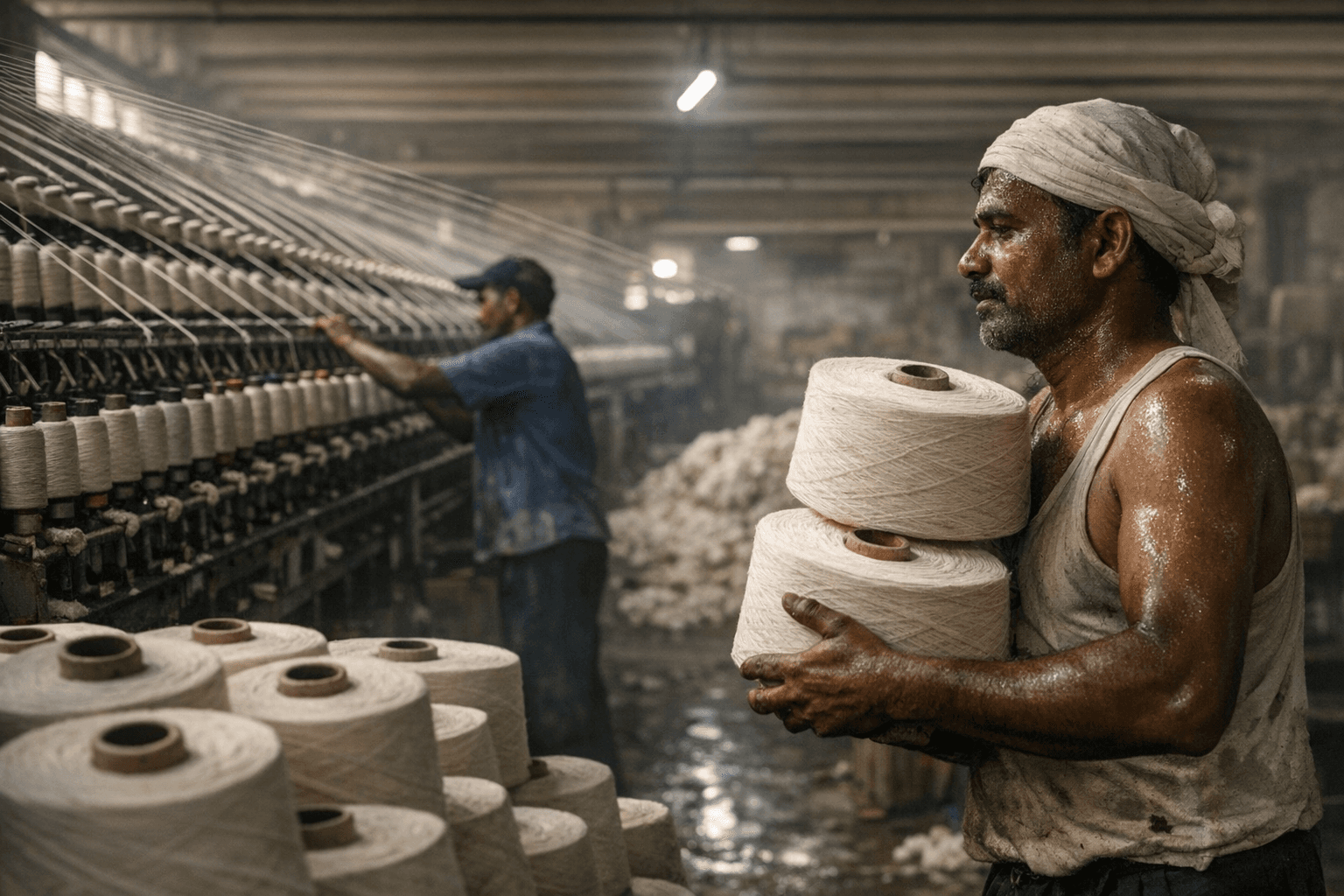
Raw cotton supply disruptions in the United States and Brazil have pushed major textile manufacturing nations, specifically China, Bangladesh, and Vietnam, to source ready-made yarn directly from India, bypassing the spinning stage entirely to compress lead times. It is a significant departure from the traditional supply model, one that is redirecting enormous volumes of finished cotton yarn toward industrial buyers and away from the broader consumer market pipeline.
The scale of India's new position in this story is hard to overstate. As of mid-2025, India was supplying 82 percent of Bangladesh's total yarn imports, a concentration that signals how dependent the global garment chain has become on Indian spinning capacity almost overnight. Crisil Ratings projects a 7 to 9 percent revenue increase for India's cotton yarn sector in the current fiscal year, up sharply from the 2 to 4 percent growth recorded the prior year. Exports account for roughly 30 percent of the sector's revenue, with China alone representing 14 percent.
Industry commentator Roy has argued that the shift could cement a durable long-term trade realignment, provided India continues to press its advantages in geographic proximity, supply reliability, and yarn quality. The concern for everyday crocheters is whether accelerating industrial demand for Indian yarn leaves enough volume flowing through the channels that stock the 100-percent-cotton skeins sitting on hobby shop shelves.
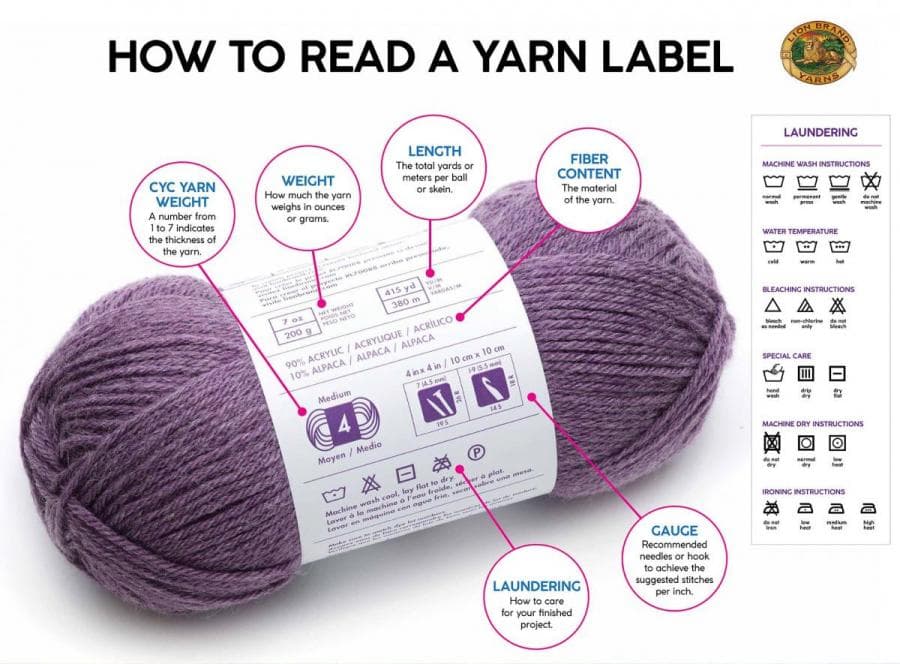
If you are buying cotton yarn in the next few months, the label deserves a second look. Origin and fiber content matter more than usual right now. Yarns sourced from South Asian spinners may experience quicker lead-time swings than domestically blended options, and retailer restocking timelines can lag those shifts by a full season. A cotton-acrylic blend or a bamboo-cotton mix, particularly the lighter bamboo blends popular for breathable summer garment yarns, can cover most of the same ground as 100-percent cotton for tops, shawls, and lightweight accessories. The drape reads differently on the hook, but the difference rarely shows up in a finished project.
The Crisil 7 to 9 percent revenue growth forecast is a producer-side figure, but producer-level price increases typically take one to three retail seasons to fully pass through to craft shop pricing. That lag is the practical window. For crocheters with a queue heavy on summer cotton, worsted dishcloth cotton, or any project calling for a natural-fiber yarn, stocking up on your go-to colorways now sits solidly in the buy-now column.
For anyone with scheduling flexibility, bamboo blends and cotton-acrylic options source through different supply channels than pure Indian cotton yarn, offering more insulation from this particular disruption while the industrial demand surge runs its course.
Global supply chains rarely announce themselves before they reach your local craft aisle. This one just did.
This article was produced by Prism’s automated news system from verified source data, official records, and press releases, then run through automated quality and moderation checks before publishing. The system is built and supervised by the people who set the standards it runs under. Read our full AI policy.
Did this article answer your question?