Plush pink starfish amigurumi brings ocean charm to crochet accessories
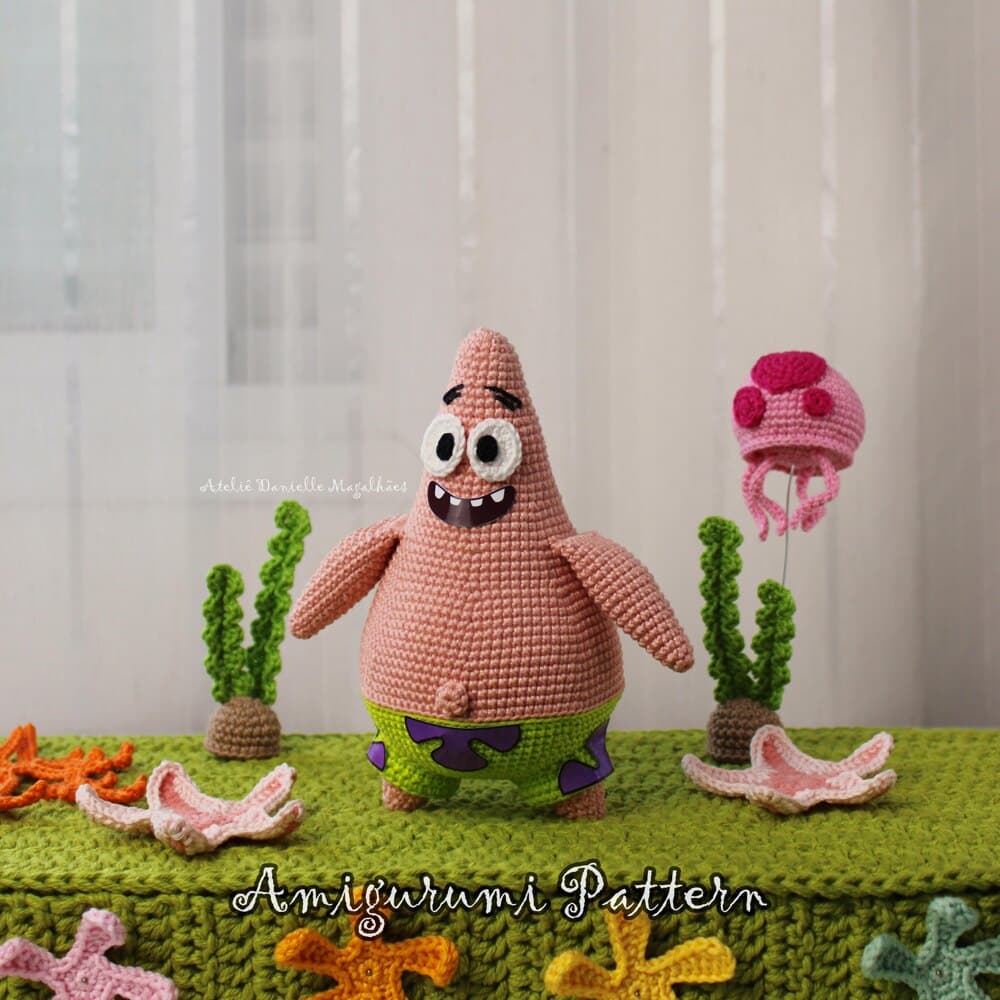
Plush yarn, bobble-stitch eyes, and a lobster clasp turn this pink starfish into a tiny character built for keys, bags, and shares.

A pink starfish can be just another sea creature, but Funny Pink Starfish lands because it reads like a little personality with legs, not a generic ocean motif. Published on June 22, 2026, the pattern from Vira Krainiuk is pitched as an intermediate make with the kind of charm that works fast on feeds and even better as a finished accessory.
Why this starfish stands out
The hook here is character. Instead of leaning on the species alone, the design pushes expression through the face, the color mix, and the compact size, which is exactly why this sort of amigurumi gets shared. The post frames it as a cheerful keychain or backpack charm, not a shelf piece, so the appeal is immediate: you can finish something playful that you will actually carry.
That positioning matters. In crochet, a small project only feels worth the time when it looks special in the hand, and this one does that through a rounded plush body, bobble-stitch eye whites, and an intentionally cute face. It has the vibe of a tiny sidekick, which is a stronger sell than a straightforward sea star ever gets on its own.
The materials do a lot of the work
The material list is as much about feel as it is about structure. The pattern calls for Himalaya Dolphin Baby in pink, white, and purple, plus YarnArt Dolce for the shorts and YarnArt Jeans for the black facial details. It also uses a 3.5 to 4 mm hook, stuffing, stitch markers, sewing pins, a tapestry needle, a small needle for facial details, embroidery, safety eyes, and a lobster clasp.
That yarn pairing makes sense if you have worked with plush amigurumi before. YarnArt describes Dolce Baby as 100% micro polyester with a velvet touch, which is exactly the sort of yarn that gives a starfish body that soft, pillowy look. YarnArt Jeans, meanwhile, is a cotton yarn widely used for amigurumi, so it is the logical choice for sharper black features that need to read cleanly against plush fabric.
The palette is also doing real design work. Pink keeps the starfish playful, while white and purple stop it from looking flat, and the black facial details sharpen the expression so the face pops instead of disappearing into the plush pile. That contrast is what makes the piece look intentional rather than merely cute.

The face is the whole trick
The strongest part of the pattern is how it handles expression. The bobble stitches used for the eye whites add texture and make the face feel slightly cartoonish, which is the right call for a starfish that is supposed to read as a character. In amigurumi, that kind of detail often does more than extra shaping ever could.
Safety eyes push that effect further, but they need to be placed with care. Safety-eye tutorials from major crochet educators stress that the washer locks the eye in place, so the placement should be finalized before you secure it. Once that backing is set, changing the expression gets difficult fast, which is why the eye position matters so much in a face-driven design like this one.
If you have made enough amigurumi to know the pain of a slightly off-center look, this is where the pattern earns its keep. The face is not an afterthought, it is the whole personality. Get that placement right and the starfish looks mischievous, sweet, and a little comic all at once.
How the structure keeps it portable
The preview shows the arms worked separately and then folded closed, which keeps the shape compact and sturdy. That is a smart move for a charm or keychain, because a floppier construction would fight the hardware and lose some of the crisp silhouette that makes the piece readable at a glance.
The lobster clasp is not decorative. It signals that this is meant to be attached and used, not just displayed, and that lines up with current keychain-pattern guidance, which commonly recommends lobster clasps or split rings for amigurumi charms. A clasp gives you quick attachment to a bag, zipper pull, or keys without turning the whole thing into a fussy little project.
That practicality also makes the intermediate label feel fair. This is not a massive construction challenge, but it does ask you to manage plush yarn, facial placement, and small hardware cleanly. If you want a project that is simple in scale but polished in finish, this sits in that sweet spot.
Why ocean keychains keep showing up
Funny Pink Starfish fits into a broader sea-creature trend that has stayed active in 2026. A June 5, 2026 crochet crab keychain pattern also paired safety eyes with keychain hardware, which shows how common this format has become for small ocean makes. The appeal is easy to understand: these pieces are quick to hold, easy to personalize, and strong on color.
There is also a durability angle. Sea-creature charms often rely on the same hardware and eye setup, so the finished object needs to survive being clipped, un-clipped, and tossed around in daily use. That is why the combination of safety eyes, secure backing, and a lobster clasp makes sense here, especially for something intended as a wearable accessory.
Vira Krainiuk’s broader amigurumi presence fits that same logic. She appears as @amigurumi_vira_ and is associated with the ToyAndJoyUA Etsy shop, while her KNITTEDSTORYBEARS identity points to a maker who keeps building character-driven crochet designs. This starfish sits comfortably in that world: small, expressive, and designed to travel.
The best part is that the starfish never tries to be more than it is. It is a plush pink charm with a face that does the heavy lifting, and that is exactly why it works. Once the bobble-stitch eyes, plush yarn, and little clasp come together, it stops being a sea creature pattern and starts feeling like the kind of tiny crochet personality that people notice right away.
This article was produced by Prism’s automated news system from verified source data, official records, and press releases, then run through automated quality and moderation checks before publishing. The system is built and supervised by the people who set the standards it runs under. Read our full AI policy.
Did this article answer your question?