Square puff crochet trivet blends texture, function, and quick finishing
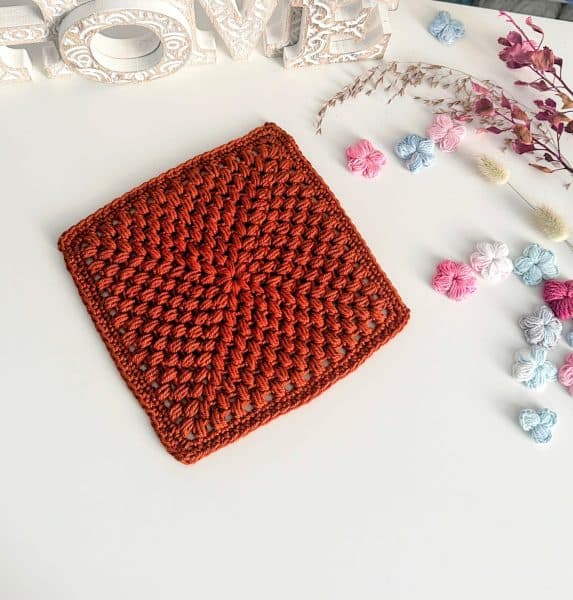
A square puff trivet turns bobbles into a kitchen tool that feels sturdy, finishes fast, and makes sense in 100% cotton.
Why this trivet earns counter space
This is the kind of kitchen crochet that has to do more than look cute. A trivet is a stand or support for hot cookware, the sort of piece that keeps a table or countertop from getting scorched, and that job has been the whole point for centuries. Britannica notes that wrought-iron trivets were common from the 17th century, which is a good reminder that the handmade version is stepping into a very old, very practical role.
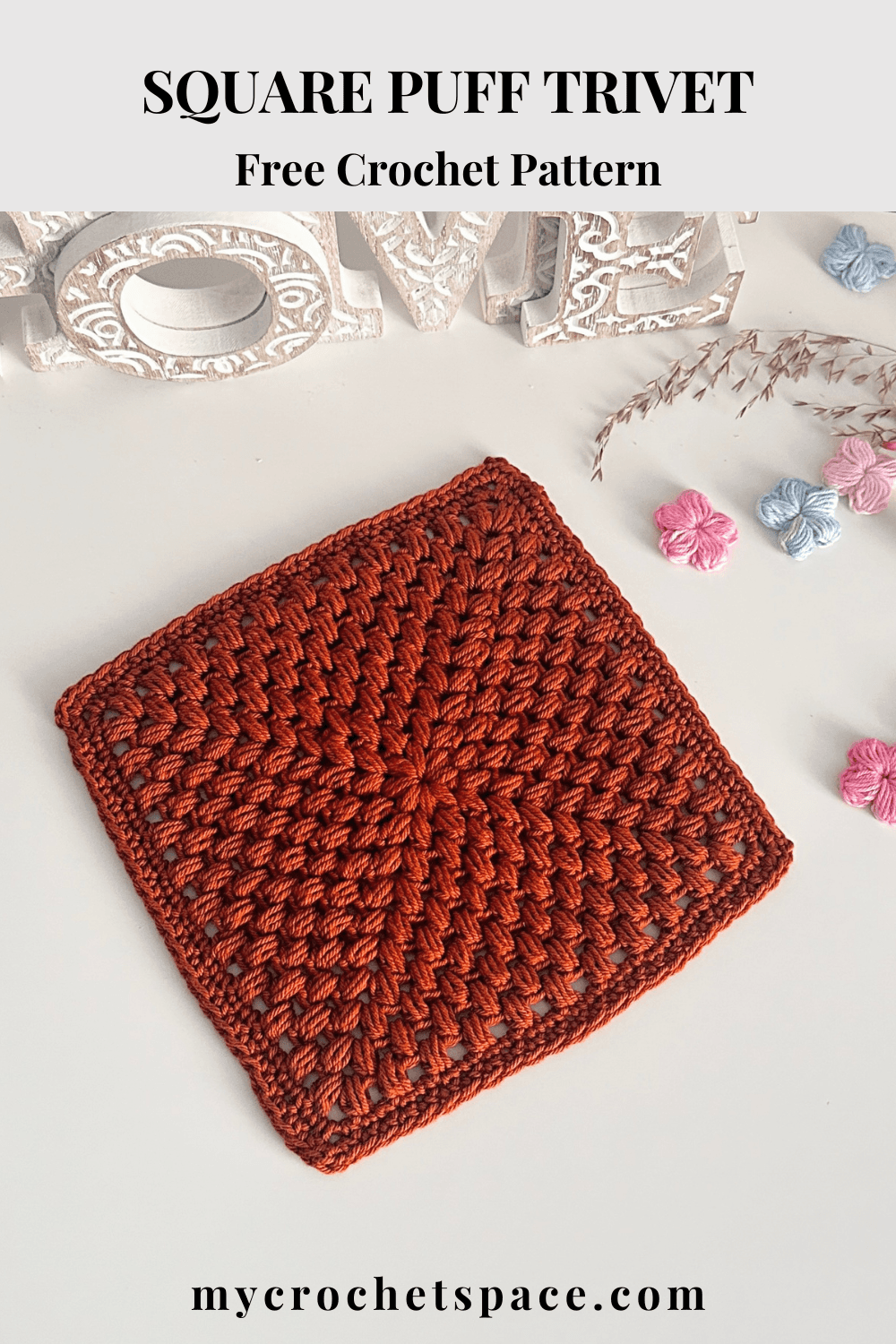
That is why the Square Puff Crochet Trivet works better than a decorative square with texture slapped on top. My Crochet Space leans into the fact that it is useful first and attractive second, and that balance is exactly what gives this kind of project staying power. A kitchen make that can live near the stove, hold its shape under heat, and still look gift-worthy is doing real work.
The texture is the feature, not the accident
The bobble stitch is what gives the trivet its thick, squishy surface, and this is not just texture for texture’s sake. Bobbles are made by working multiple partially completed double crochets into one stitch and joining them at the top, which creates that raised bump you can feel from the front side of the fabric. Several crochet tutorials point out that bobbles are often worked on wrong-side rows so the puffed surface lands cleanly on the public-facing side, and that is part of why the finish looks so deliberate.
My Crochet Space’s version uses a 4-row repeat, which keeps the rhythm easy to follow without making the project feel repetitive in a bad way. The pattern is labeled easy and measures about 8.5 by 8.5 inches, so you get a compact square that feels finished without turning into a weekend commitment. The author also notes that the trivet can be finished in an afternoon, which matters if you want the quick-win satisfaction of a small project that still feels substantial.

There is also a practical stitch lesson hidden in the puff. Bobbles use extra yarn because they are essentially five stitches worked into one, so they teach you immediately that texture comes with a tradeoff in yardage and bulk. That makes this a smart step up from a flat square or coaster, because you learn how raised stitches change both the look and the fabric density without jumping into a large blanket.
Thickness, heat logic, and the right fiber choice
The best part of this trivet is that the thickness is doing a job, not just showing off. The Square Puff Crochet Trivet is described as about three times thicker than a regular washcloth, and that kind of density is exactly what you want when a hot pot or pan is headed for the table. A thick, squishy surface gives the piece the visual heft you notice first and the heat-buffering logic you rely on later.
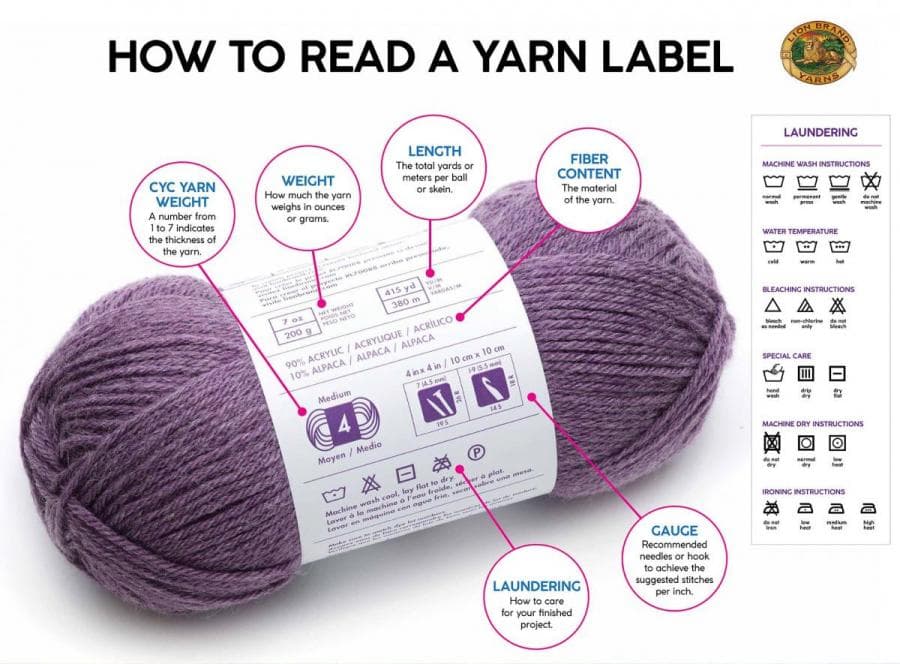
That is also why the yarn choice is not optional. Multiple crochet and yarn guides recommend 100% cotton for potholders and trivets because cotton handles heat better than acrylic blends, which can melt. My Crochet Space follows that advice, and for a kitchen piece, that is the right call: the yarn needs to tolerate heat, wear, and washing without turning fragile the first time it is actually used.
The material note also ties into the project’s speed. One skein is enough for a single-color version, so you are not buying into a stash-heavy commitment just to test the pattern. That keeps the project in the sweet spot for makers who want something functional, affordable, and fast enough to actually finish before motivation wanders.
Why this is a better project than it first looks
Kitchen crochet has a long reputation for being beginner-friendly, practical, decorative, and easy to gift, and this trivet fits that lane neatly. Vintage potholder collections and modern roundup posts keep returning to the same appeal: these pieces are small, useful, and satisfying to hand over as presents because people know exactly what to do with them. That is part of the reason a square puff trivet resonates so easily, even when the stitch pattern is simple.
It is also a cleaner learning project than it might sound. If you want to practice bobbles, the trivet gives you repetition without the fatigue of a blanket and enough structure to make mistakes obvious. The 4-row repeat, the square shape, and the manageable 8.5-inch size make it easy to see whether your tension is consistent and whether the bobbles are popping the way they should.
- It finishes fast enough to feel rewarding.
- It uses a stitch texture that looks intentional instead of busy.
- It has real kitchen function, not just shelf appeal.
- It introduces bobbles in a small, low-risk format.
- It gives you a handmade gift that does not feel generic.
The real win here is that the trivet solves the usual problem with textured crochet in the kitchen: too many pretty pieces are too flimsy to trust, and too many useful ones look plain enough to disappear. This square puff design lands in the middle, where the bobbles are thick enough to matter, the cotton is sensible enough for heat, and the finish is quick enough to keep you from overthinking it. That is exactly the kind of project that turns a coaster maker into someone ready to make functional pieces with confidence.
This article was produced by Prism’s automated news system from verified source data, official records, and press releases, then run through automated quality and moderation checks before publishing. The system is built and supervised by the people who set the standards it runs under. Read our full AI policy.
Did this article answer your question?