Yarnful Creations guide explores Alpine stitch for bold crochet texture
Alpine stitch is all about payoff: dense, sculptural texture for projects that need depth. The trick is knowing when that extra structure is worth the effort.
Yarnful Creations puts Alpine stitch in the right frame: this is the stitch you reach for when plain fabric is not enough. It gives crochet a raised, almost carved look, and that drama is exactly why it can be so useful, or so overbuilt, depending on the project. If you want texture that reads from across the room and still feels satisfying in the hand, Alpine stitch earns its place. If you need something light, reversible, or fast to work up, it can be the wrong tool.
What Alpine stitch is doing under the hood
The classic version is built by alternating shorter single crochet and double crochet stitches with taller front post treble crochet stitches. That mix of stitch heights is what gives Alpine fabric its layered relief instead of a flat surface. In more advanced versions, double crochet, half double crochet, and treble crochet can all play a part, which is why the stitch can look complicated before it clicks.
That structure is also why Alpine stitch can mimic woven or quilted surfaces when it is handled well. AllFreeCrochet describes it as an intermediate stitch with a right side and wrong side, a single-sided texture, and no gaps, which tells you a lot about how it behaves in finished fabric. It is not trying to be airy or delicate. It is trying to be dimensional, and it does that through front-post work and row-dropping or staggered placement.
If you already know double crochet, treble crochet, and front post treble crochet, LoveCrafts treats Alpine stitch as a manageable next step. That matters, because a lot of the fear around this stitch comes from the look, not the mechanics. Once you understand where the tall post stitches sit, the rest is repetition and attention.
Why makers keep returning to it
Yarnspirations has kept Alpine stitch visible for a reason. Its classic fabric is described as "touchable", with an all-over texture that is cozy and inviting, and the company’s pattern library includes over 10,000 free patterns. That kind of scale helps explain why the stitch keeps turning up in blankets and other consumer-friendly projects. It is a reliable texture, not a one-off novelty.
The blanket patterns built around it are especially useful as practice pieces because they force you to repeat the core stitch family: single crochet, double crochet, and front post treble crochet. That mix trains your eye to read the raised ridges and the deeper valleys between them. Once that becomes automatic, the stitch stops feeling fussy and starts feeling architectural.
Heart Hook Home pushes that idea further with a five-pattern Alpine Collection that includes a poncho, fitted sweater, oversized hoodie, sweater vest, and hooded cardigan. The collection is size-inclusive, and it uses Heatherly Sport yarn with a 4.5mm hook, or whatever size is needed to obtain gauge. That yarn choice is a clue in itself: Alpine stitch is not just a blanket stitch, it can become a garment-building tool when the yarn is thin enough to let the fabric drape instead of stiffening up.
Where the texture pays off
Alpine stitch makes the most sense when the fabric is supposed to be seen and felt. Blankets are the obvious fit, because the stitch’s raised surface gives a throw more presence without needing colorwork to carry the design. It also works well in garments, especially pieces that benefit from depth and body rather than a smooth, drapey fall.
That is why it shows up in hats, baby blankets, cowls, headbands, dishcloths, and structured home pieces. Each of those projects benefits from a texture that is bold without being fussy. In hats and headbands, the relief keeps the fabric from looking plain. In blankets and baby items, the pattern creates warmth and interest. In structured accessories, the dense surface gives the finished piece a more built-out feel.
The Warm Up America connection makes that practical side even clearer. The organization uses 7-inch by 9-inch sections in donation projects, and its 30th-anniversary bundle included 90 section patterns, 49 of them crochet. One Alpine Stitch Section was built for the Sectional Blanket Crochet Along and matched that 7-inch by 9-inch format exactly. That tells you Alpine stitch is not just decorative. It can be broken down into useful, donation-ready units that still deliver strong texture.
How to choose yarn, hook, and project
Yarn choice changes Alpine stitch more than some crocheters expect. Yarnful Creations points to the stitch as a place where the fiber choice affects whether the texture reads bold or soft, and whether the fabric feels sturdy or fluid. Heart Hook Home’s use of Heatherly Sport yarn with a 4.5mm hook reinforces that thinner yarn can keep the stitch from turning into a brick. The texture stays there, but the drape improves.
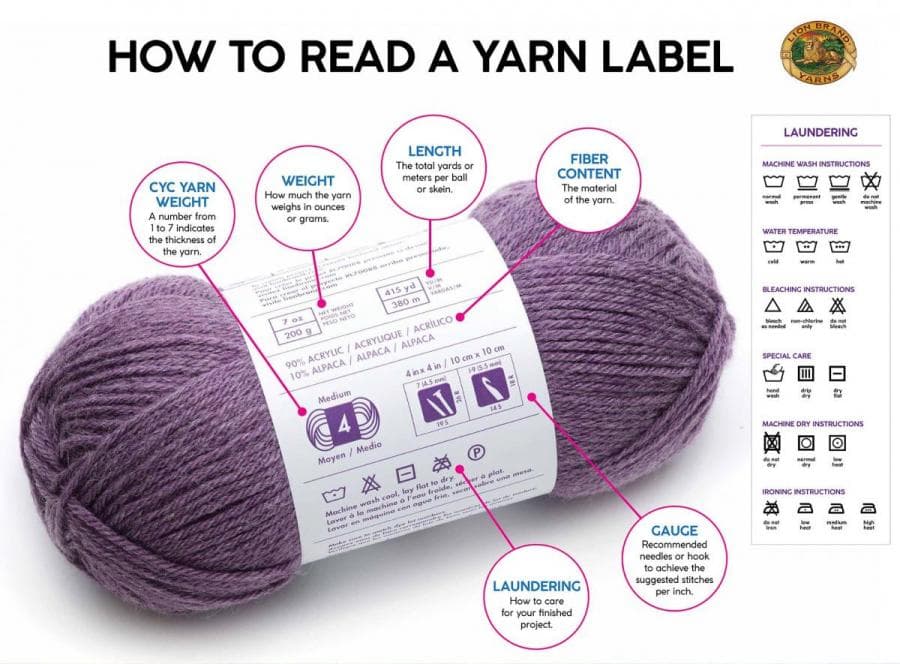
LoveCrafts makes the other key point: any yarn weight can work as long as you use the corresponding hook. That gives you a lot of room to steer the result. A thicker yarn can make the stitch feel more architectural and dense, while a lighter yarn can keep the relief crisp without overwhelming the fabric. If you want a blanket with strong texture, the denser route makes sense. If you want a cardigan or sweater vest that moves, a thinner yarn is the smarter bet.
That flexibility is also why Alpine stitch is a good decision only when texture matters enough to justify the extra attention. It rewards projects where the surface is part of the design story. It is a weaker choice when the goal is speed, drape without bulk, or a fabric that looks the same from both sides.
The mistakes that usually trip people up
The biggest mistake is treating Alpine stitch like a generic textured stitch and not respecting its structure. It has a right side and a wrong side, so if you need a fully reversible fabric, this is not the stitch to build around. It also creates a single-sided texture with no gaps, which is great for definition but not for airy, openwork effects.
Another common misstep is choosing the wrong yarn weight for the job. The stitch can handle a lot, but the wrong pairing will make the relief look muddy or make the fabric too rigid to wear comfortably. That is where the project decision matters as much as the stitch itself. A blanket can absorb more density than a fitted sweater, and a structured accessory can tolerate more body than a drapey layer.
It helps to remember that shorter stitches such as single crochet and half double crochet are less common as post stitches because of placement, even though they are possible. That small technical detail matters because Alpine stitch depends on knowing which stitches are carrying height and which ones are supporting the surface. Once you get that rhythm, the stitch stops looking ornamental for its own sake and starts looking like a tool.
Alpine stitch is worth the extra effort when you want crochet to feel built, not just worked. That is the real promise behind all that raised texture: a fabric with enough depth to hold attention, enough structure to shape a project, and enough visual rhythm to make simple stitch counts look far more intentional.
This article was produced by Prism’s automated news system from verified source data, official records, and press releases, then run through automated quality and moderation checks before publishing. The system is built and supervised by the people who set the standards it runs under. Read our full AI policy.
Did this article answer your question?