CrossFit’s Drop-In Diaries explores Seoul’s culture, community, and discipline
Seoul’s CrossFit scene rewards prepared drop-ins with multilingual coaching, deep community, and a culture where discipline shows up long before the whiteboard.
What the Seoul episode changes for drop-ins
CrossFit’s first Drop-In Diaries episode lands in Seoul with a clear message for travelers: the box is only part of the experience. The April 24, 2026 release follows CrossFit Seminar Staff trainer and affiliate owner Kelly Kim as she moves through South Korean affiliates with Juria Maree, and the point is bigger than a gym tour. CrossFit says the series is meant to reconnect with “the people” behind the sport, and Seoul gives that idea a very practical edge.
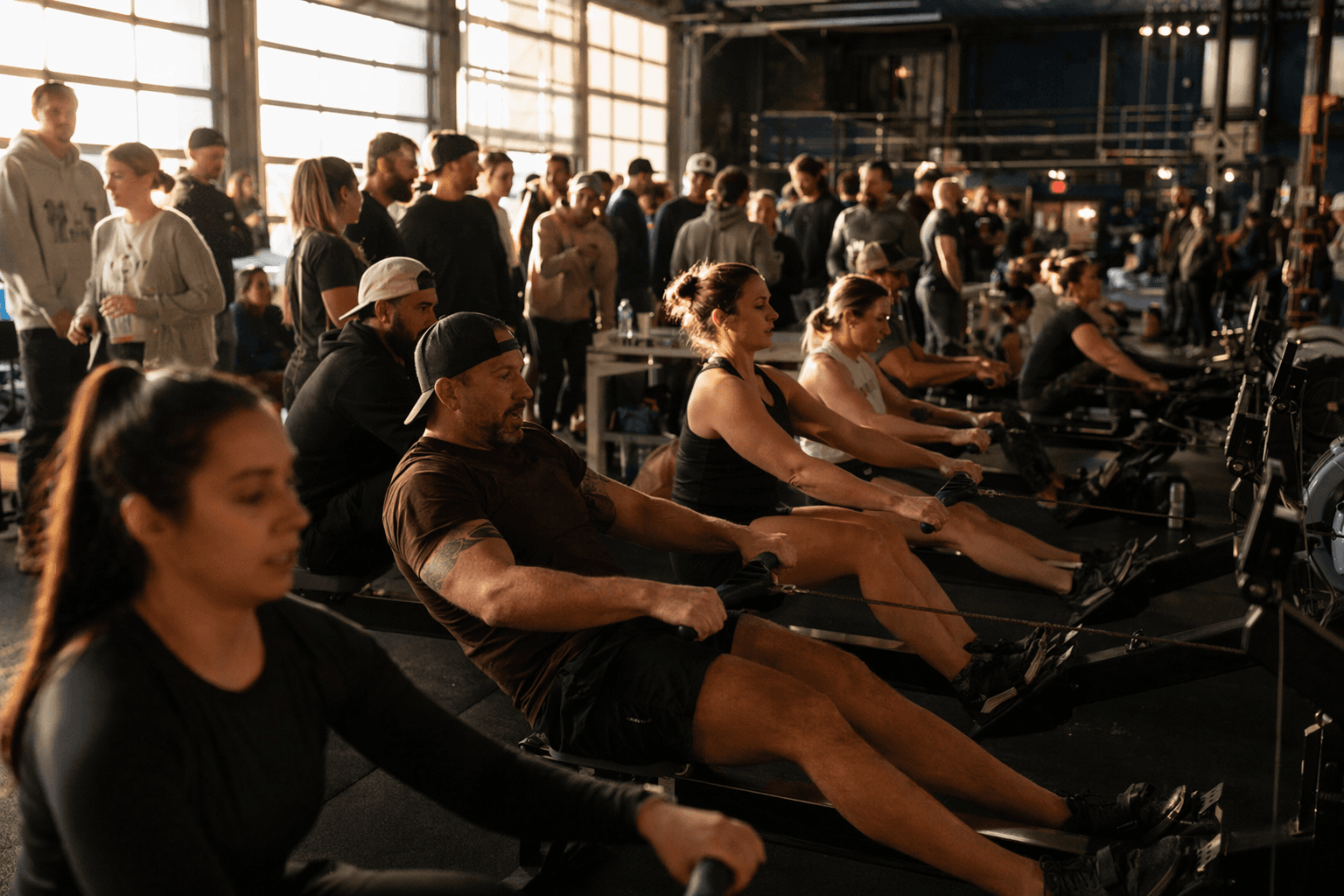
For regular CrossFit members stepping into another country’s affiliate, the lesson is simple: expect the workout to matter, but expect the culture around it to matter just as much. Seoul’s scene is presented as one where performance is not confined to the gym floor. It carries into how people arrive, how they listen, how they respect the process, and how they fit into a room full of people who clearly treat training as a serious part of daily life.
A city where preparation is part of the culture
The episode frames Seoul through a Korean value set that will feel familiar to anyone who has spent time in the sport: show up prepared, work hard, and respect the process. That is the key difference for drop-ins. In a city like Seoul, the affiliate is not simply a place to get a session in between flights or tourist stops. It is a place where attitude, punctuality, and composure are part of the unwritten standard.
That helps explain why the story reads more like a cultural field guide than a simple travel feature. A good class in Seoul is not only about the program, the timer, or the loading. It is about whether you read the room quickly enough to move with it. For visiting athletes, that means the smartest play is often to arrive early, be ready to work, and let the local rhythm set the tone.
What stands out inside Seoul’s affiliate network
Seoul’s CrossFit footprint is already broad enough to make the city feel like a real destination for drop-ins rather than a one-gym stop. CrossFit lists active affiliates including CrossFit Gangnam, CrossFit Balsan, CrossFit KBOX, CrossFit 051, CrossFit Heisa, CrossFit KG Tribe, CrossFit Like, CrossFit Shot, and Seoul National University CrossFit. That density matters because it suggests a scene with enough depth to support different neighborhoods, different coaching styles, and different kinds of members.
CrossFit Gangnam is especially notable because it says it has been operating since 2010 and calls itself Korea’s oldest box. That kind of longevity usually signals more than just survival. It points to a local base that has helped normalize CrossFit in the city and create a culture that newer gyms can build on instead of starting from zero.
How Seoul makes drop-ins easier to navigate
For travelers, the most useful part of Seoul’s affiliate landscape is that several gyms clearly expect international visitors. CrossFit Balsan says it welcomes international travelers and CrossFitters visiting Seoul, which is exactly the kind of message drop-ins want to see before they book a class. CrossFit Heisa goes a step further, saying classes are held in English, Korean, and French, which tells you the city’s affiliate culture is already working across languages rather than around them.
That multilingual reality changes the feel of a visit. You are not just entering a gym with a different accent on the whiteboard; you are entering a training environment that has already made room for outside voices. In practice, that can make the experience smoother for visitors, but it also raises the standard. If a class can move across languages, it can also expect you to keep up with the shared tempo.
Why the coaching culture feels so deliberate
Juria Maree brings a useful institutional lens to the episode. CrossFit says she started CrossFit in 2008 and joined Seminar Staff in January 2012, and she now supports affiliates across South Asia as a country manager. That kind of background matters because it suggests the episode is being guided by someone who understands how CrossFit culture travels, adapts, and survives in different markets.
That perspective also helps explain why Seoul is presented as a place where coaching, community, and discipline are tightly linked. The best CrossFit gyms in the city are not just selling intensity. They are modeling how to belong, how to follow local norms, and how to train with respect for the people next to you. For a visiting member, that usually means the coaching cues are only part of the lesson; the rest comes from watching how the room behaves.
The wider Korean context behind the episode
Seoul’s scene did not appear overnight. CrossFit’s earlier coverage of the Asia Regional described the region as “ridiculous” and “very community minded,” with head judge Adrian Bozman comparing it to the early days at The Ranch. That is the kind of line that sticks because it captures something recognizable in CrossFit: a place can be highly competitive and still feel deeply communal at the same time.
A 2018 CrossFit Journal profile of CrossFit BP Lab in nearby Suwon adds another useful clue. The gym had just under 60 members and used a blended Korean-and-English coaching environment, which reinforces the idea that Korean CrossFit has long balanced local identity with international influence. Seoul’s current affiliate network looks like an extension of that same pattern, only bigger and more visible.
What a CrossFit traveler can take home from Seoul
The practical takeaway from Drop-In Diaries is not just that Seoul has multiple boxes or that some classes are multilingual. It is that the city treats CrossFit as part of how people present themselves in public life. That creates a gym culture where discipline is visible, community is dense, and the visit feels more embedded in the city than a standard stopover workout.
For CrossFit members and coaches, that is the real story. Seoul shows how a strong affiliate network can make the sport feel local without making it small. It is a reminder that the best drop-ins are not only about getting a session done, but about understanding the rules of the room fast enough to earn your place in it.
Know something we missed? Have a correction or additional information?
Submit a Tip