Mobility Drills to Sharpen Olympic Lifts and Avoid Costly No-Reps
A missed snatch catch or failed jerk often traces back to position, not strength. These mobility drills fix the root cause before you ever touch the barbell.
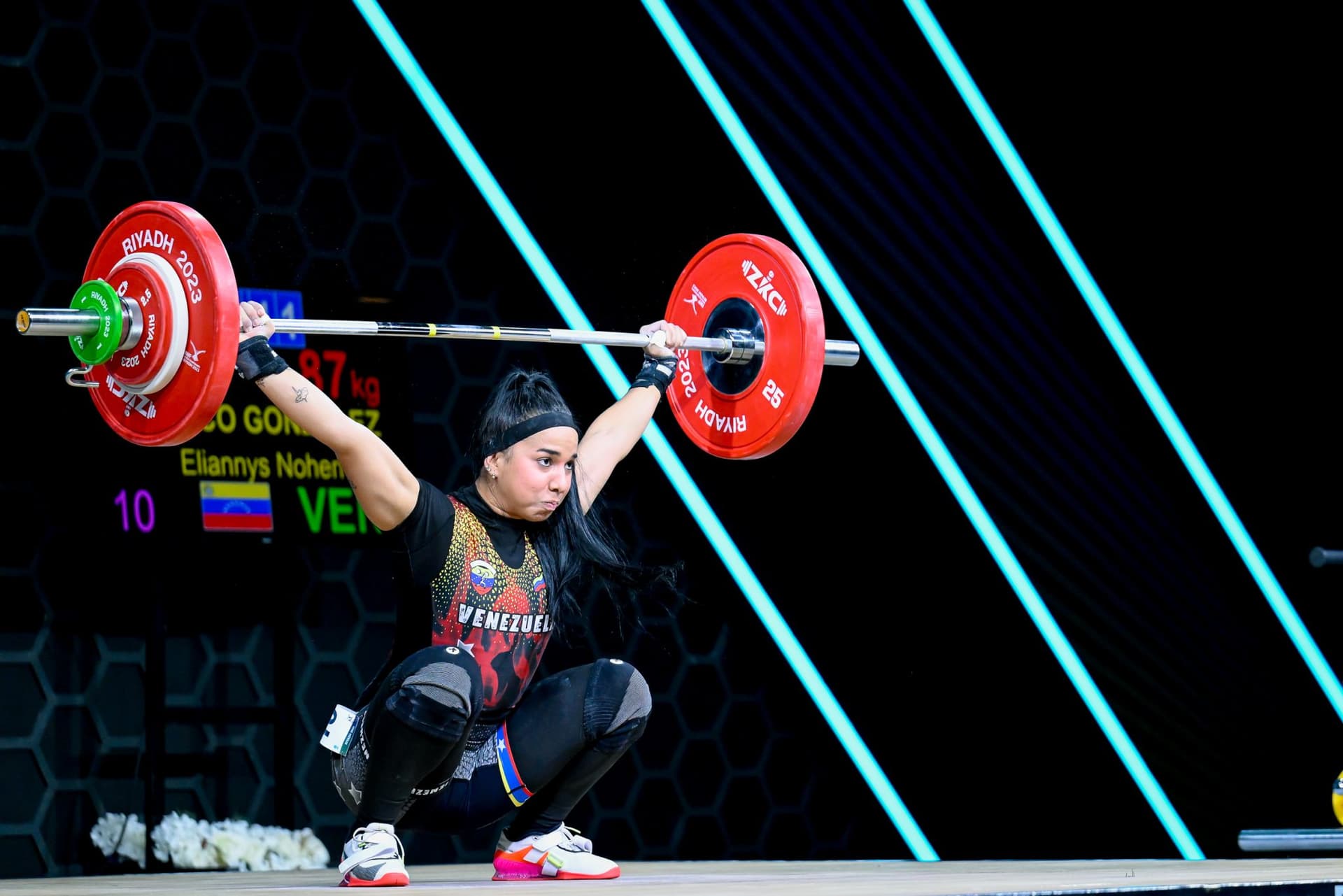
The snatch gets called a no-rep for a lot of reasons: soft elbows at the catch, a pressout, a forward lean at lockout. The clean gets red-lighted for a press-out in the jerk or a front rack so compressed the elbows drop on the dip. In almost every case, the fault runs upstream of the lift itself, embedded in restricted ranges of motion that no amount of extra barbell work will solve. Mobility drills, placed deliberately between your general warm-up and your skill rehearsal, are where those positions get built.
Why Oly Lifts Demand More Than a General Warm-Up
Dynamic stretching and mobility drills are "the bridge between the general warm-up and skill rehearsal," mobilizing the joints, increasing joint control at given R.O.Ms, and carrying over directly into Oly lifting positions. That distinction matters. A 500-meter row or a few minutes on the assault bike raises your core temperature and gets blood moving, but it doesn't specifically prepare the overhead squat position, the front rack, or the hip extension pattern that powers the second pull. The mobility phase does that targeted work, so that by the time you pick up a barbell, you're not discovering your ankle dorsiflexion is locked up mid-snatch.
The goal of this phase is to leave athletes technically "sound," neurologically "fired up," and ready to move on to the working sets of their day's program. That last piece, the neurological readiness, is what separates a proper mobility warm-up from passive stretching on a mat. These drills should activate the patterns you're about to load, not just loosen tissue.
Leg Swings: Opening the Hips for the Pull and the Catch
Leg swings are the foundational dynamic drill in this sequence. The movement is helpful for opening hip flexors, hamstrings, and adductors, which improve stability in deep squat positions as well as bringing power from hip drive. Both of those outputs, squat stability and hip extension power, are non-negotiable in the snatch and clean.
The key cues here are about control, not range: do not lean back and do not allow the momentum to perform the swing. The point is active range of motion, where your musculature is driving the movement through its full extent, not passive range created by a pendulum effect. Once you've worked the sagittal plane, progress to side (lateral) swings, crossing the midline with each repetition, to address the adductors and hip external rotators that stabilize the receiving position.
Thoracic and Shoulder Mobility: Protecting the Overhead Position
For athletes struggling with bar path in the snatch or losing the overhead position in a jerk recovery, the thoracic spine and shoulder complex are the first places to investigate. Improving mobility in the thoracic spine, lats, and shoulders can reduce the amount of strain placed on the shoulder joint during overhead lifts. Better thoracic extension prevents the common compensation of over-arching the lower back, while improved shoulder positioning helps the bar sit directly over the midline. That alignment change reduces the shearing forces on the rotator cuff and its stabilizers.
This is also where an honest limit needs to be stated: no amount of mobility work is going to fix everything. If you are experiencing pain when pressing or performing overhead lifts, the right step is to consult a healthcare professional or physical therapist and rule out injury before continuing to load the position. Mobility work is a performance tool, not a rehabilitation substitute.
Snatch-Focused Movements: Building the Position From the Ground Up
The snatch demands simultaneous ankle, hip, thoracic, and shoulder mobility in a position that gives you almost no margin for error at the catch. Four recommended movements address those demands specifically:
- Overhead Squat with PVC: The objective is to emphasize thoracic extension and ankle and hip mobility in the bottom snatch position. Using a PVC pipe instead of a barbell allows you to find depth and lock in positioning without load, making it the safest way to groove the catch before adding weight.
- Snatch Grip Behind-the-Neck Press: This strengthens shoulder stability in the snatch grip, preparing for overhead catches. The wide grip exposes any shoulder mobility restrictions immediately and trains the stabilizers under light load in the exact position they'll need to hold under a heavy bar.
- Snatch Balance Drill: The objective is to develop speed and boldness, so that when you catch the snatch it is low and solid. Hesitation at the catch is one of the most common technical faults in the snatch, and the snatch balance trains the aggressive drop-under that turns a pressout into a locked-out rep.
- Snatch Hip Pulls: These develop explosive hip and leg extension in CrossFit movements. The hip pull isolates the extension pattern of the second pull, training the athlete to open the hips fully and aggressively, which is the engine of every successful snatch.
Clean and Jerk Focused Drills: Building the Front Rack
The clean and jerk introduces a different set of mobility demands. The goal of this drill category is to acclimate the wrists, elbows, and hips for a proper front rack position while also training a forceful extension into the jerk. Athletes who show up to a heavy clean complex without front rack prep often find their elbows dropping during the dip, which kills the drive, collapses the rack, and turns a makeable jerk into a missed lift.
- Front Rack Stretch with PVC or Band: The objective is to open wrist extension and triceps for improved front rack comfort. Athletes who can't get their elbows up in the front rack are often fighting wrist extension restrictions as much as any shoulder issue. Using a PVC pipe or a band to externally position the rack and then working into that position actively is one of the most direct ways to build tolerance for the load-bearing front rack.
On the Shoulder's Role Across Both Lifts
It's worth noting that the thoracic and shoulder mobility rationale applies across the snatch and the jerk equally. Better overhead positioning in the snatch reduces rotator cuff shear; better front rack positioning in the clean protects the shoulder from the internal rotation forces of a dropped elbow. The drills in both sections reinforce each other, which is why athletes who run through the full sequence consistently tend to see position improvements across both lifts rather than in isolation.
Mobility training isn't an add-on for days when you have extra time. It's the work that determines whether a heavy snatch finds the catch or dumps forward, whether the jerk locks out overhead or grinds into a pressout. Every drill here has a specific target: the hip flexors and adductors for the pull, thoracic extension for the overhead, shoulder stability for the catch, wrist and tricep flexibility for the rack. Work them before the barbell comes off the floor, and you give yourself the best possible chance of making lifts that count.
Know something we missed? Have a correction or additional information?
Submit a Tip