Shoulder Rotation Deficits Linked to Subacromial Pain in CrossFit Athletes
Limited shoulder rotation statistically predicts subacromial pain in CrossFit athletes, a case-control study found, putting snatches and muscle-ups squarely in the clinical crosshairs.
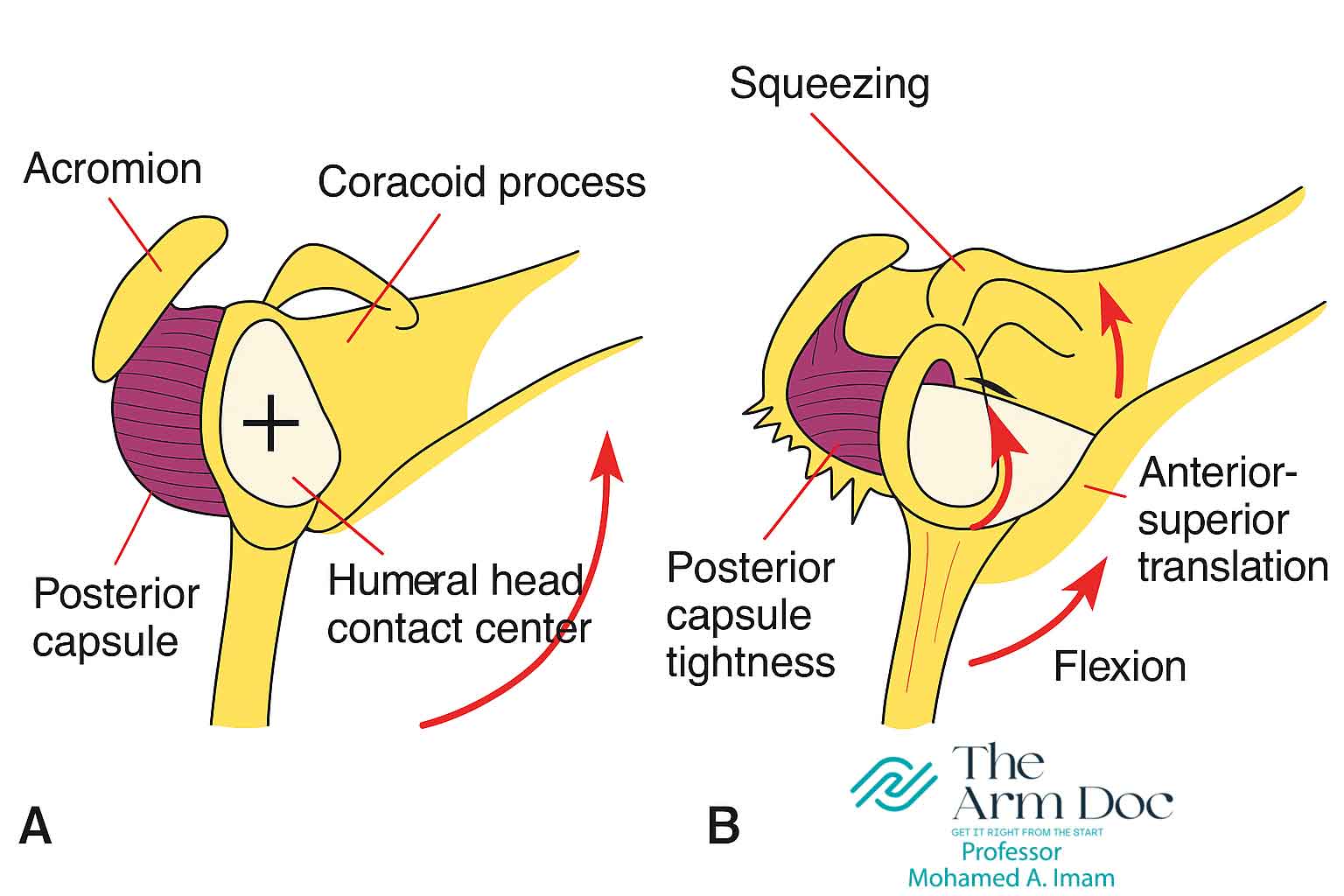
A case-control study published March 28 in Bodywork & Movement Therapies found a statistically significant link between reduced glenohumeral rotation, impaired dynamic shoulder stability, and subacromial pain syndrome in CrossFit athletes, giving coaches and clinicians a concrete movement marker to screen for in athletes who snatch, muscle-up, and handstand push-up their way through weekly programming.
Researchers compared CrossFit practitioners with and without clinically diagnosed subacromial pain, measuring shoulder internal and external rotation range of motion, dynamic stability performance, and standardized pain and function questionnaires. The case-control design allowed the team to calculate odds ratios for subacromial pain syndrome associated with specific movement deficits, producing a cleaner link between measurable impairment and a defined pathology than much of the earlier CrossFit injury literature.
The findings are pointed: reduced glenohumeral rotation and lower dynamic stability scores were both associated with a significantly higher likelihood of reporting subacromial pain. The authors did not frame the results as an indictment of CrossFit programming. Instead, they identified the deficit pattern as a correctable target, calling for screening and corrective strategies that include restoring internal rotation, posterior capsule mobility work, scapular control training, and progressive loading protocols.
Shoulder complaints have ranked among the most common injuries reported across functional-fitness communities for years, alongside back and knee problems. What sets this paper apart is the precision of its assessment tools. By pairing clinical movement metrics directly with a defined pain diagnosis rather than relying on self-report injury categories, the researchers produced a sharper picture of which specific deficits predict which specific problem.

For coaches running classes built around repeated overhead volume, the study points to three practical priorities: a brief shoulder rotation and dynamic stability screen for athletes logging frequent overhead work, consistent rotator cuff and scapular stability training woven into programming for anyone showing rotation deficits, and a clear referral pathway to licensed clinicians when shoulder pain persists or worsens rather than defaulting to modified loading indefinitely.
The authors acknowledged the inherent limitation of a case-control design, which identifies associations rather than establishing causation, and called for prospective cohort studies and randomized interventions to test whether corrective programming actually reduces subacromial pain incidence over time. Until that data arrives, the study stands as a high-quality clinical signal that shoulder screening belongs in the standard operating procedure of a well-run affiliate.
Know something we missed? Have a correction or additional information?
Submit a Tip