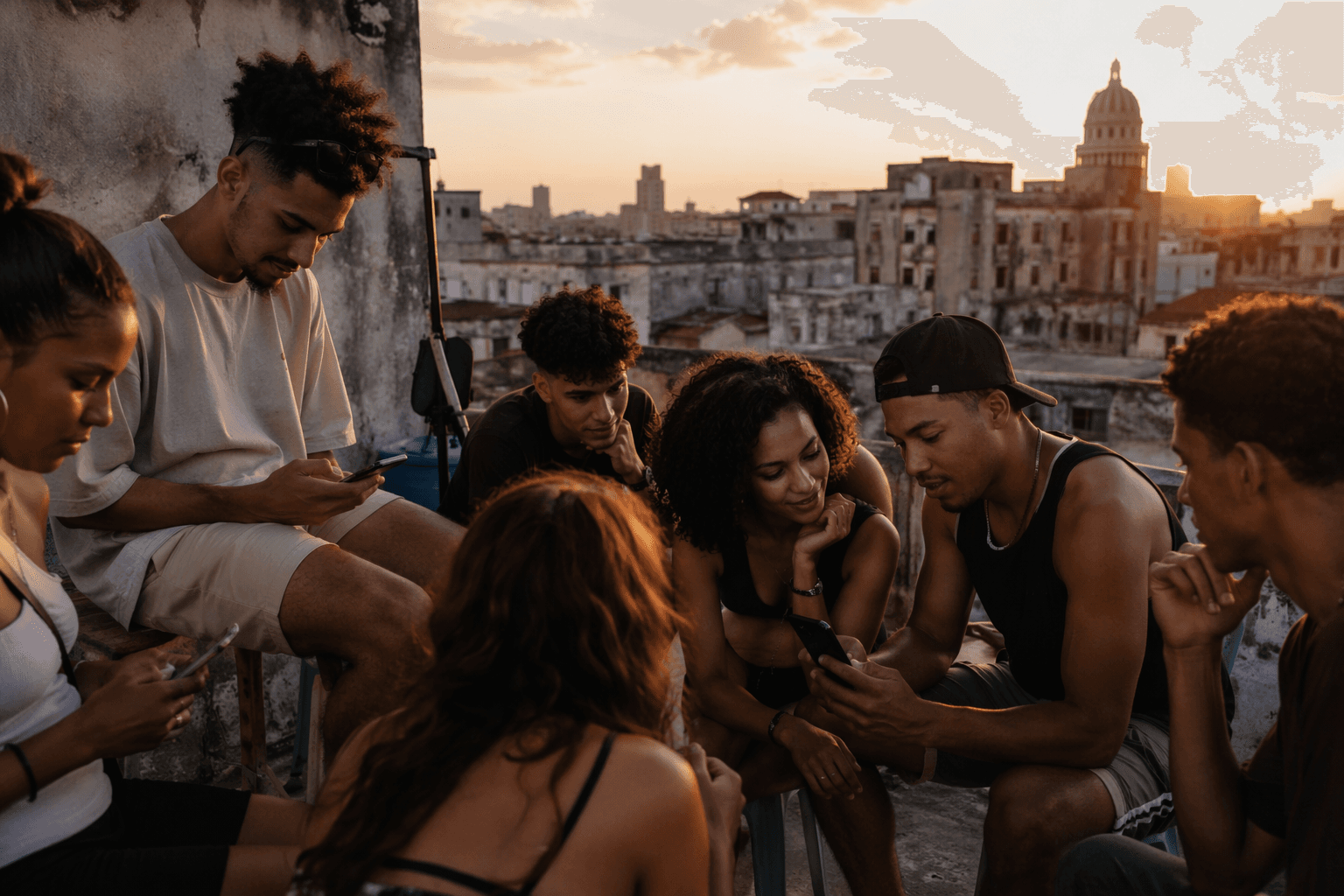
At CubaNostalgia, exiles feel Cuba's worsening crisis more deeply
The music and food were familiar, but the conversations were not. At CubaNostalgia, exile families talked more about blackouts, fuel shortages and relatives back home.

At the Miami-Dade County Fair & Exposition Center, CubaNostalgia felt less like a simple heritage fair than a family warning bell. Cuban Americans gathered for the festival’s 27th edition, held May 16-17 at Fair Expo Center on Coral Way and SW 112th Avenue, and many said the mood had shifted because the crisis in Cuba was no longer abstract.
The gathering still had the familiar markers that have defined it for decades, music, food, art, immersive historical recreations and a celebration of Cuban heritage, culture and the Catholic faith. But attendees described a sharper edge this year. Alongside the dancing and the memories, people were talking about blackouts, fuel scarcity, the strain on jobs and daily life, and the pressure of watching family members on the island live through conditions that keep worsening.
That tension has always been part of CubaNostalgia’s identity. The event’s mission is to share Cuban traditions, heritage, culture, history and education across generations, and its roots go back to 1987 in Miami, when members of the exile community created it as a place to remember and relive pre-revolution Cuba. Over time, it has also become a place where families separated by Operation Peter Pan have tried to reconnect, which helps explain why the festival carries so much emotional weight when conditions in Cuba deteriorate.
This year, that weight was heavier. Protests broke out in Havana amid severe rolling blackouts, and Cuba’s energy minister said the country had run out of diesel and fuel oil. Reports in mid-May described the island’s fuel reserves as exhausted and the situation as extremely tense. For many at CubaNostalgia, those developments made the crisis feel immediate, personal and impossible to treat as background noise.
So the festival became what it has long been, only more urgently: a place to sing, eat and remember, but also to measure what has been lost and what still might be recovered. At CubaNostalgia, the nostalgia remained, yet the conversations kept turning back to the same question, how much worse things have become, and whether change in Cuba can still come soon enough.
This article was produced by Prism’s automated news system from verified source data, official records, and press releases, then run through automated quality and moderation checks before publishing. The system is built and supervised by the people who set the standards it runs under. Read our full AI policy.
Did this article answer your question?