CEPR report says Cuba's infant mortality rate surged amid sanctions
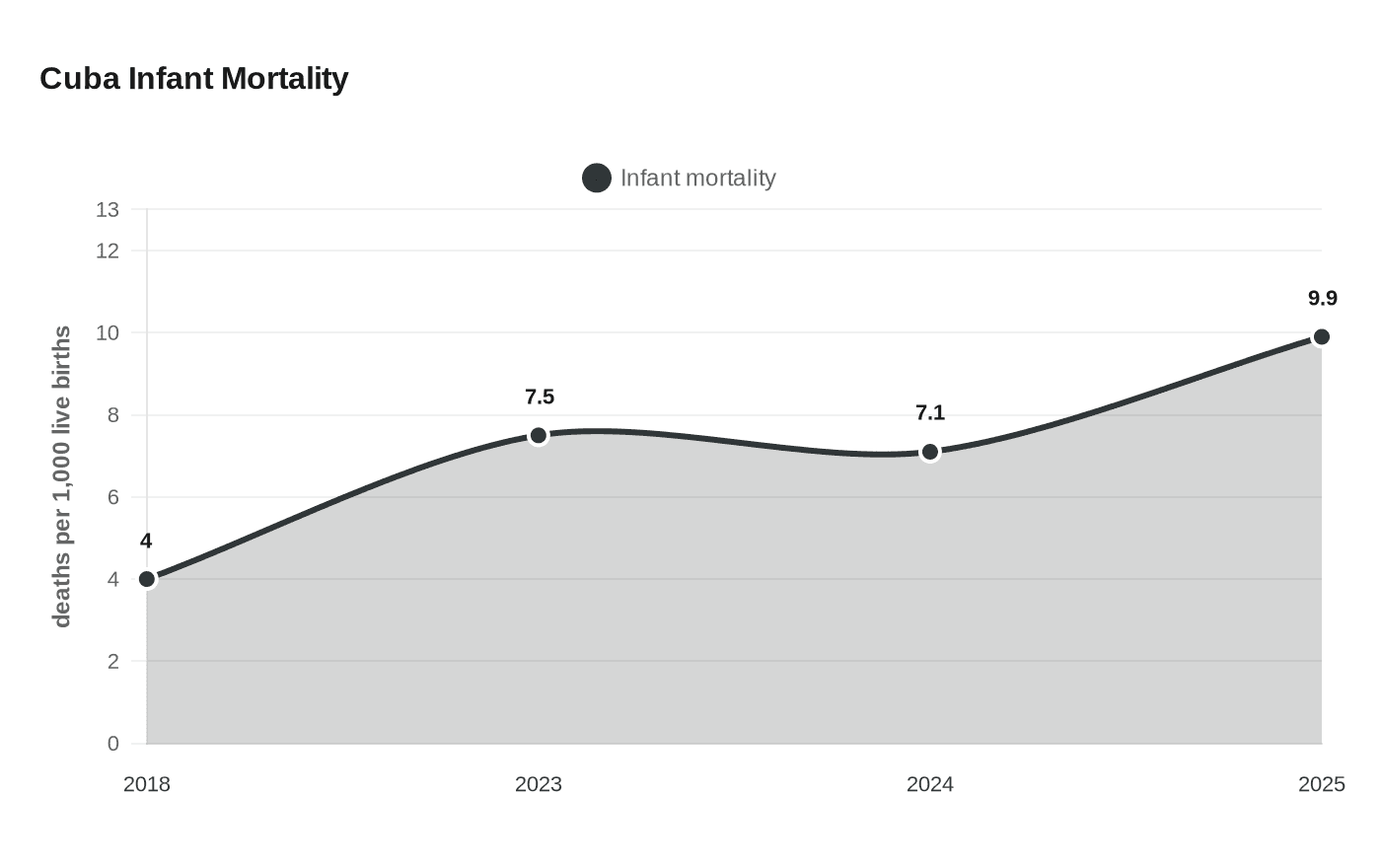
Cuba’s infant mortality rate climbed from 4.0 to 9.9 per 1,000 live births, a 148% jump. CEPR says sanctions-linked shortages helped drive about 1,800 additional infant deaths.
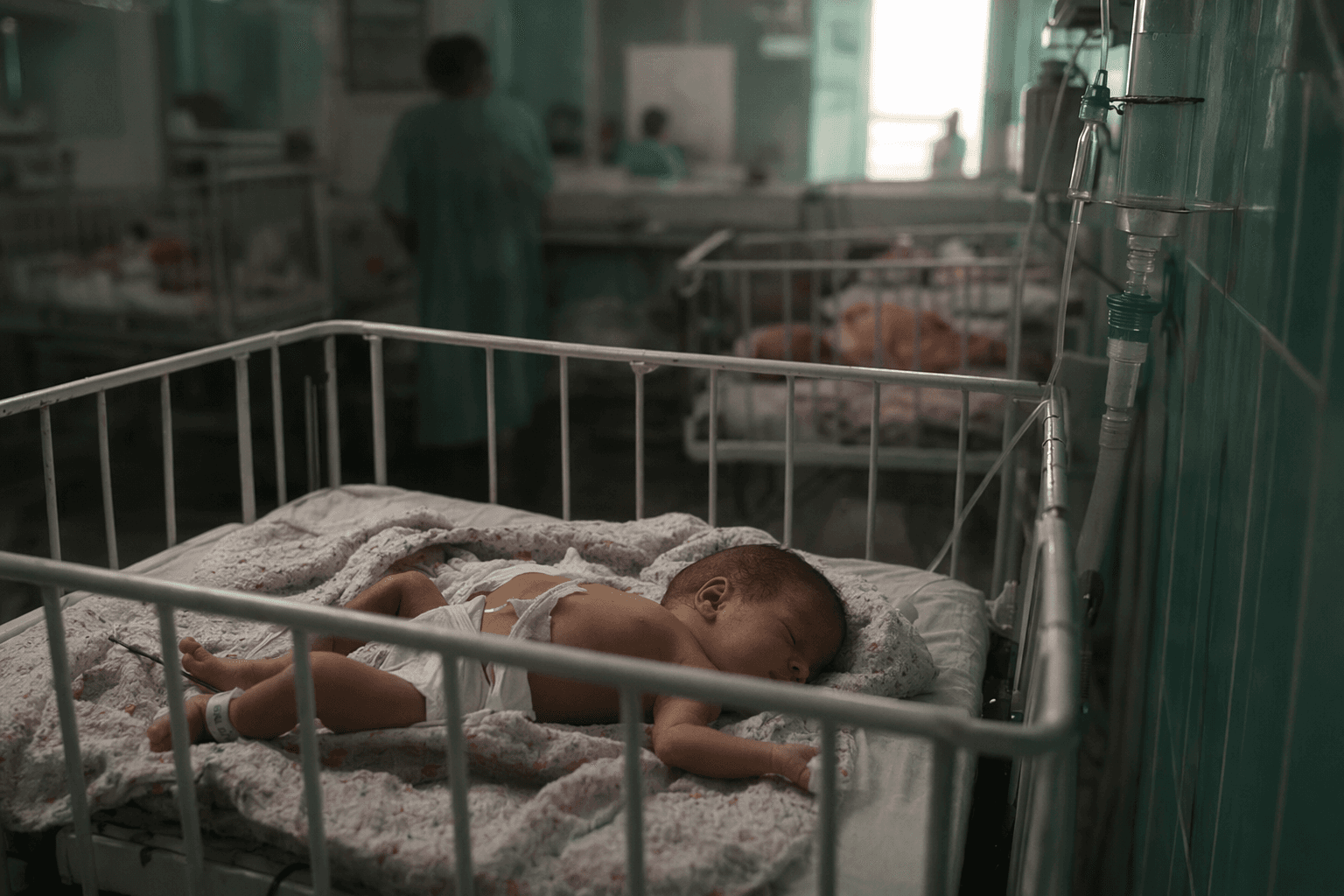
Cuba’s infant mortality rate jumped from 4.0 deaths per 1,000 live births in 2018 to 9.9 in 2025, a 148% surge that CEPR linked to the tightening squeeze of U.S. sanctions. The April 2026 study, written by Alexander Main, Joe Sammut, Mark Weisbrot, and Guillaume Long, estimated that about 1,800 fewer babies would have died if the 2018 rate had held steady.
The report’s argument was blunt: expanded sanctions did not act alone, but they deepened shortages in medicine, food, and health care resources until the strain showed up in the island’s most sensitive indicator. Infant mortality has long been one of Cuba’s proudest public health measures, among the lowest in the Western Hemisphere, which makes the recent reversal especially stark.
That deterioration also fits the broader picture painted by UNICEF’s 2024 Cuba profile. UNICEF said social and economic challenges deepened, inflation and reduced purchasing power worsened daily life, food production kept declining, subsidized food delivery was affected, and nutrition vulnerabilities and social inequalities increased. UNICEF listed infant mortality at 7.1 per 1,000 live births in 2024, down slightly from 7.5 in 2023, while World Bank and UNICEF data series placed the figure at about 7 per 1,000 in 2024. CEPR’s 2025 estimate still marked a sharp break from that longer baseline.
The findings landed in the middle of a familiar fight over responsibility. CEPR and allied commentary argued that harsher U.S. measures since 2017 were the main driver of the deterioration, while U.S. officials and critics of Havana countered that Cuba can still legally buy food, medicine, and medical equipment and that domestic economic failures also helped create the shortages. However that debate is settled, the numbers point to the same hard truth: a health system once defined by low infant mortality is now measuring damage in babies lost.
This article was produced by Prism’s automated news system from verified source data, official records, and press releases, then run through automated quality and moderation checks before publishing. The system is built and supervised by the people who set the standards it runs under. Read our full AI policy.
Did this article answer your question?