U.S. Embassy warns of Cuba grid instability, protests, daily blackouts
Havana’s blackouts were no longer just an inconvenience. The U.S. Embassy warned they were cutting water, fuel, phone service and movement as protests spread across the capital.
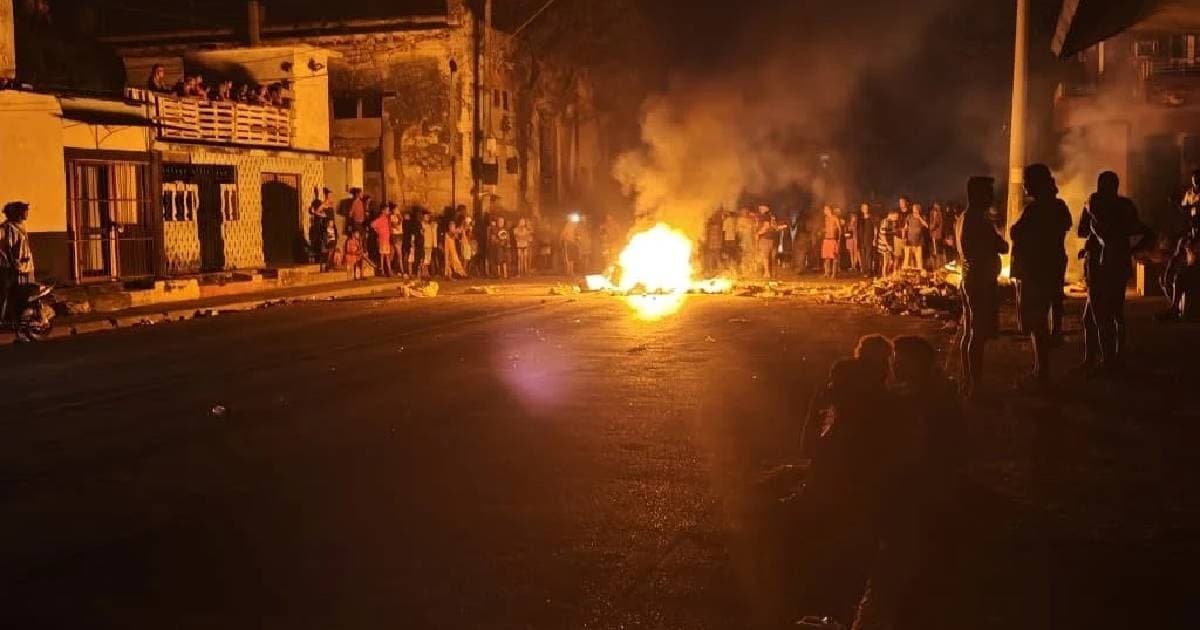
Daily blackouts in Cuba had become a travel problem with immediate consequences: the U.S. Embassy in Havana warned that prolonged scheduled and unscheduled outages were hitting the country’s power grid, including the capital, and disrupting water supply, lighting, refrigeration and communications.
The alert, issued May 14, said fuel shortages were creating long lines at gas stations and throwing transportation plans off balance. It told U.S. citizens to avoid large gatherings and to conserve fuel, water, food and mobile phone charge. That warning mattered because it moved the blackout crisis beyond routine inconvenience and into a direct safety and logistics issue for anyone moving around Havana or trying to stay connected.
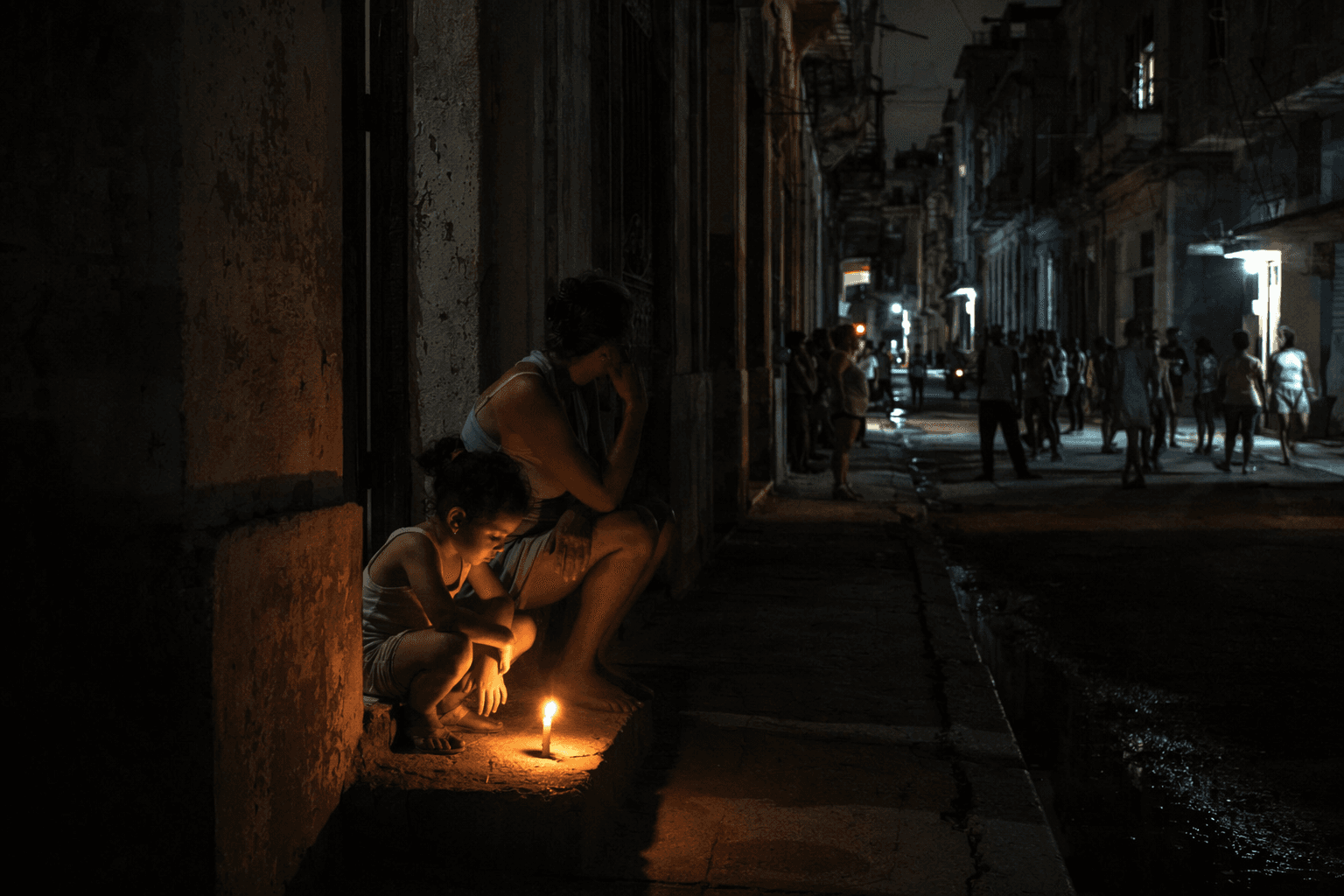
The embassy also said there were numerous protests in Havana on May 13 over the prolonged outages, and that some of those demonstrations were met with aggressive police repression against Cuban protesters. Separate reports described several dozen people protesting in San Miguel del Padrón, outside Havana, over power cuts, while other crowds formed as the city faced what was described as its worst rolling blackout crisis in decades. In one report, children blocked Boyeros Avenue after the grid partially collapsed, a sign of how quickly frustration spilled into the streets.
The energy shock was deepening at the same time. Cuba’s government said fuel reserves had run out, and a major failure of the national energy grid later cut power to the eastern provinces. The island’s power system has been under severe strain for months, with repeated nationwide blackouts in February, March, October and December 2024, then another major outage in September 2025 and more disruptions in 2026. In October 2024, the Antonio Guiteras thermoelectric plant triggered a nationwide blackout that shuttered schools and halted public transport in Havana.
Cuban officials blamed the United States for the “particularly tense” situation in the power grid, even as Washington again offered $100 million in aid. Whatever the political blame, the practical picture was plain: backup power could not be taken for granted, fuel was scarce, and ordinary city life was unstable from one hour to the next. For travelers, that meant planning for darkness, delays and dead phones, not just the usual Cuba inconvenience.
This article was produced by Prism’s automated news system from verified source data, official records, and press releases, then run through automated quality and moderation checks before publishing. The system is built and supervised by the people who set the standards it runs under. Read our full AI policy.
Did this article answer your question?