Cuban doctors allege Havana profited from Venezuela health missions
A former brigade member says Havana pushed expired Abdala shots and doctored mission records, turning Venezuela care into a revenue stream.
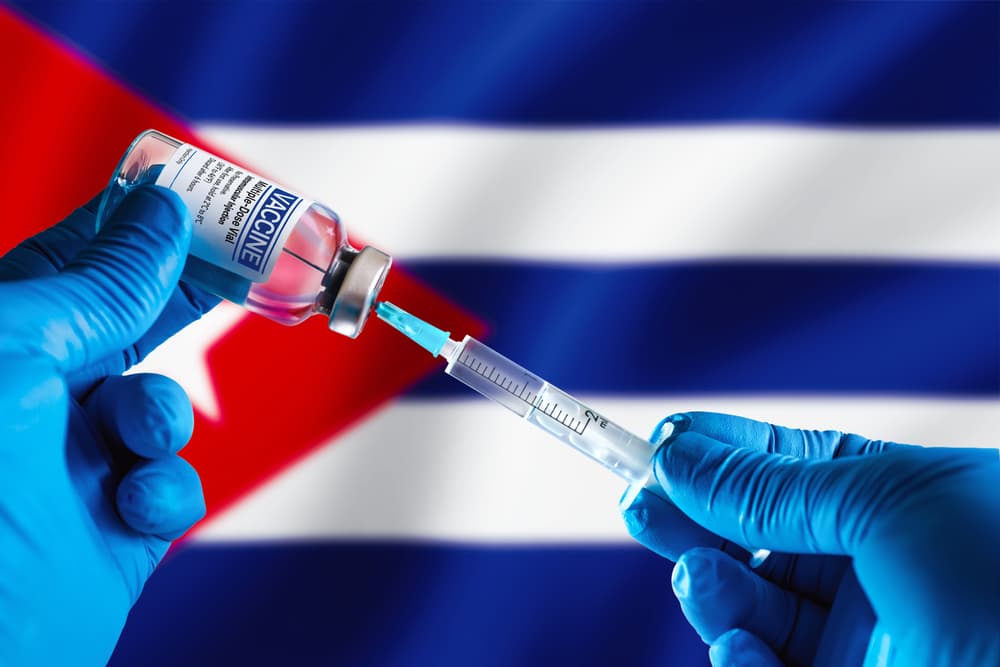
A former Cuban medical worker in Venezuela says Havana built its overseas health showcase on inflated numbers, pressured staff, and even expired Abdala doses, turning a mission sold as solidarity into a cash machine.
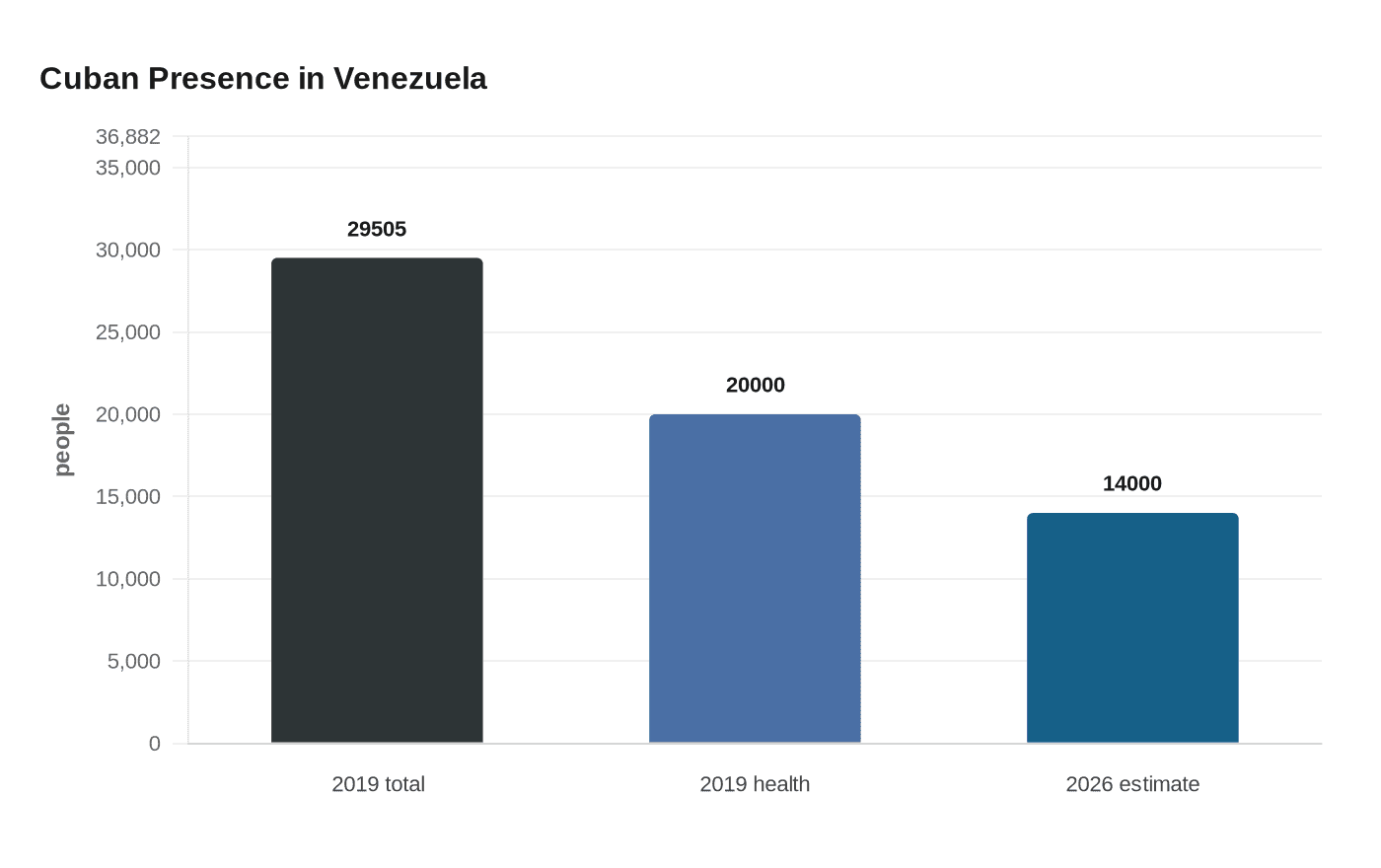
The account, drawn from interviews with a former brigade member whose name was withheld, lands in the middle of Cuba’s longest-running and most profitable foreign-policy project. Cuba and Venezuela’s oil-for-doctors deal dates to a 2000 cooperation agreement between Fidel Castro and Hugo Chávez, and it tied medical work to oil shipments from the start. By 2019, Granma said 29,505 Cubans were serving in Venezuela, including 20,000 health workers spread across all 25 states. Other estimates in 2026 put the Cuban presence closer to 14,000, a drop that tracks with reduced Venezuelan oil shipments to Cuba.
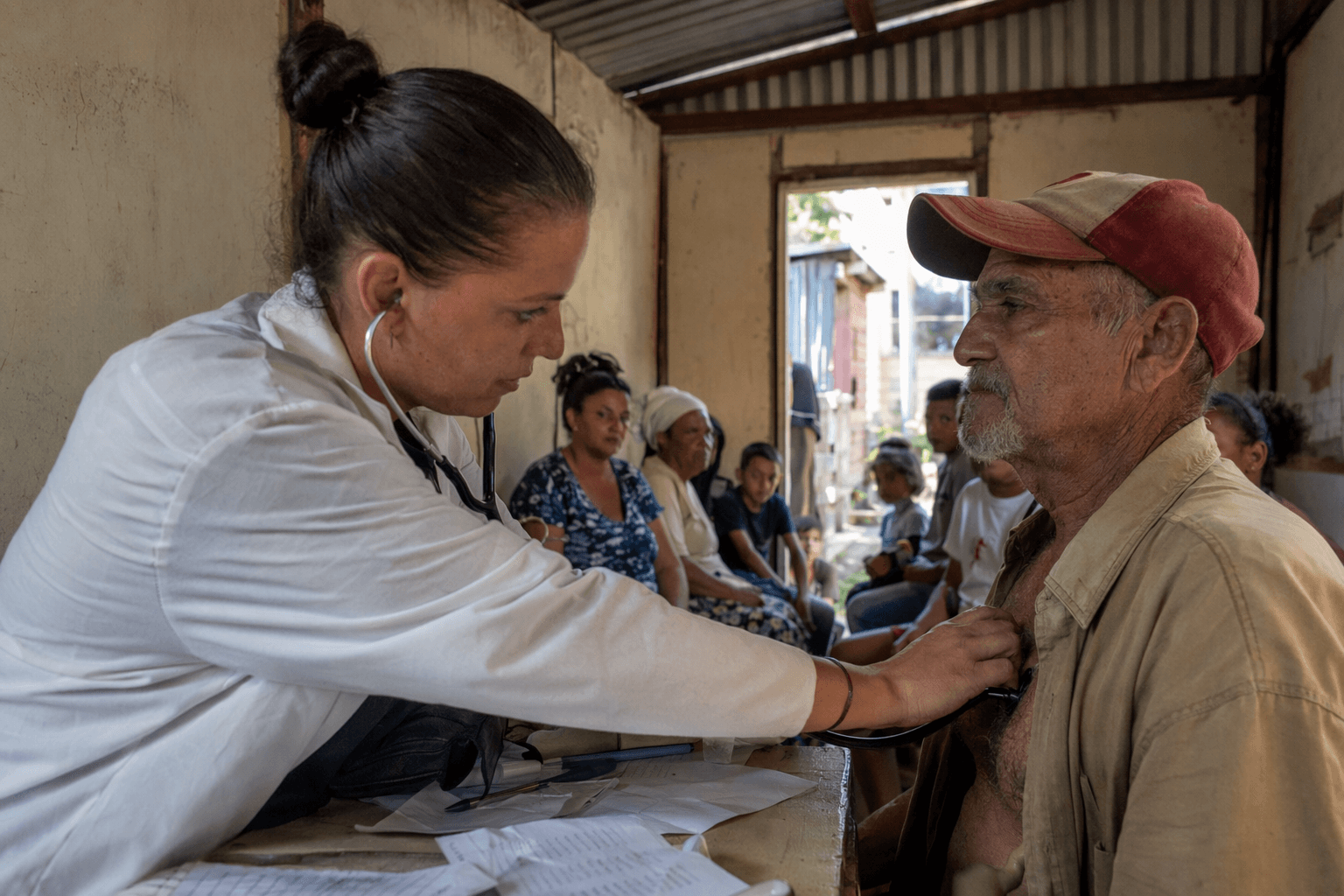
What the doctor described was not a neutral public-health mission but a system built to generate the right numbers. He said the official picture of the program was false and that Cuban authorities profited from both the Venezuelan side and the labor of the doctors themselves. The most damaging allegation in the account was that workers were pushed to vaccinate people with expired Cuban Abdala doses, a detail that undercuts the image of a disciplined humanitarian operation and raises questions about what was being reported back to Havana.
That credibility gap matters because the allegations line up with findings already laid out by the U.S. State Department. Its 2024 and 2025 trafficking reports said Cuba had a government policy or pattern of profiting from forced labor in its labor-export program, including foreign medical missions. A State Department factsheet said former participants reported being ordered to falsify medical records and misrepresent information to justify their presence abroad, and it said workers labeled as deserters can be barred from returning to Cuba for eight years.
Washington has treated that system as more than a labor issue. The State Department says Cuba’s labor-export program remains the largest foreign revenue source for the Cuban government, and in 2024 it expanded visa restrictions on people believed to be involved in exploiting Cuban labor, including foreign officials. In 2021, 1,111 former participants also filed a complaint with the International Criminal Court and the United Nations alleging exploitation in the program.
That is why the Venezuela story cuts deeper than abuse allegations alone. If the mission counts were inflated, the records massaged, and the workers squeezed for value, then the health brigade was not just delivering care abroad. It was helping Cuba monetize its medical reputation while hiding the cost inside the system that made the reputation possible.
This article was produced by Prism’s automated news system from verified source data, official records, and press releases, then run through automated quality and moderation checks before publishing. The system is built and supervised by the people who set the standards it runs under. Read our full AI policy.
Did this article answer your question?