BBC exposes Cuba's secret billionaire empire amid national crisis
Leaked accounts put GAESA’s hidden reserves above $18 billion while Cubans endured 20-hour blackouts, exposing a billionaire empire inside the country’s crisis.
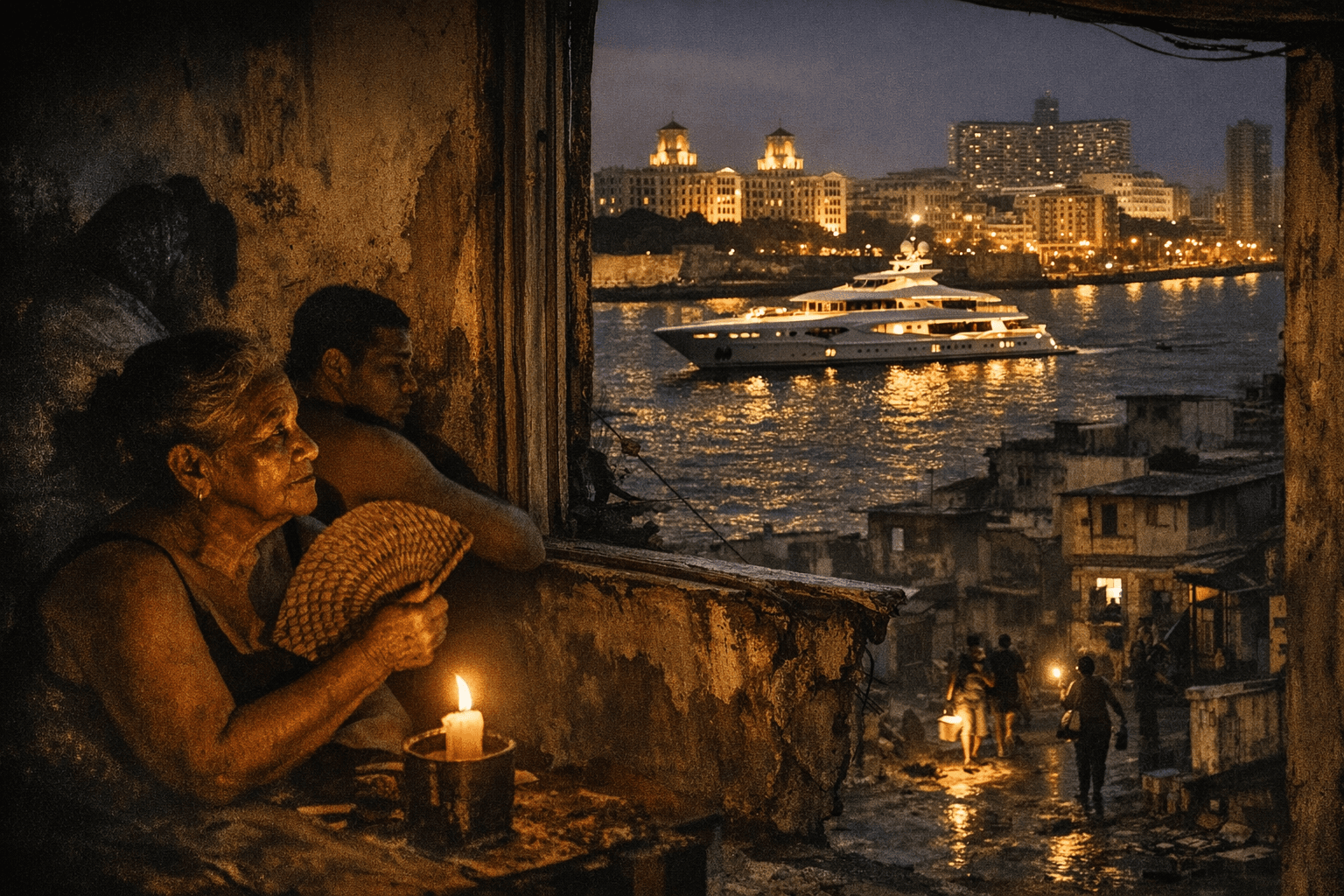
Leaked financial statements reviewed in 2025 showed more than $18 billion in reserves and assets inside GAESA, Cuba’s military conglomerate, even as blackouts rolled for up to 20 hours a day in some places and the island lurched through shortages of food, medicine, fuel, and cash. Some analyses went further, saying GAESA’s holdings may have amounted to about 40% of Cuba’s GDP in 2023, a scale that makes the group less like a company and more like a hidden economic state within the state.
GAESA, Grupo de Administración Empresarial S.A., sits at the center of Cuba’s hard-currency economy. Its reach runs through tourism with Gaviota, retail through CIMEX and TRD Caribe, and finance through RAFIN and Banco Financiero Internacional, while also touching remittances, currency exchange, and other dollar-generating channels. The structure has long been shrouded in opacity, with little public scrutiny over how the money moves or who decides where it goes. That is what gives the leaked balance sheets their force: they show not just wealth, but the depth of a system built to keep that wealth out of public view.
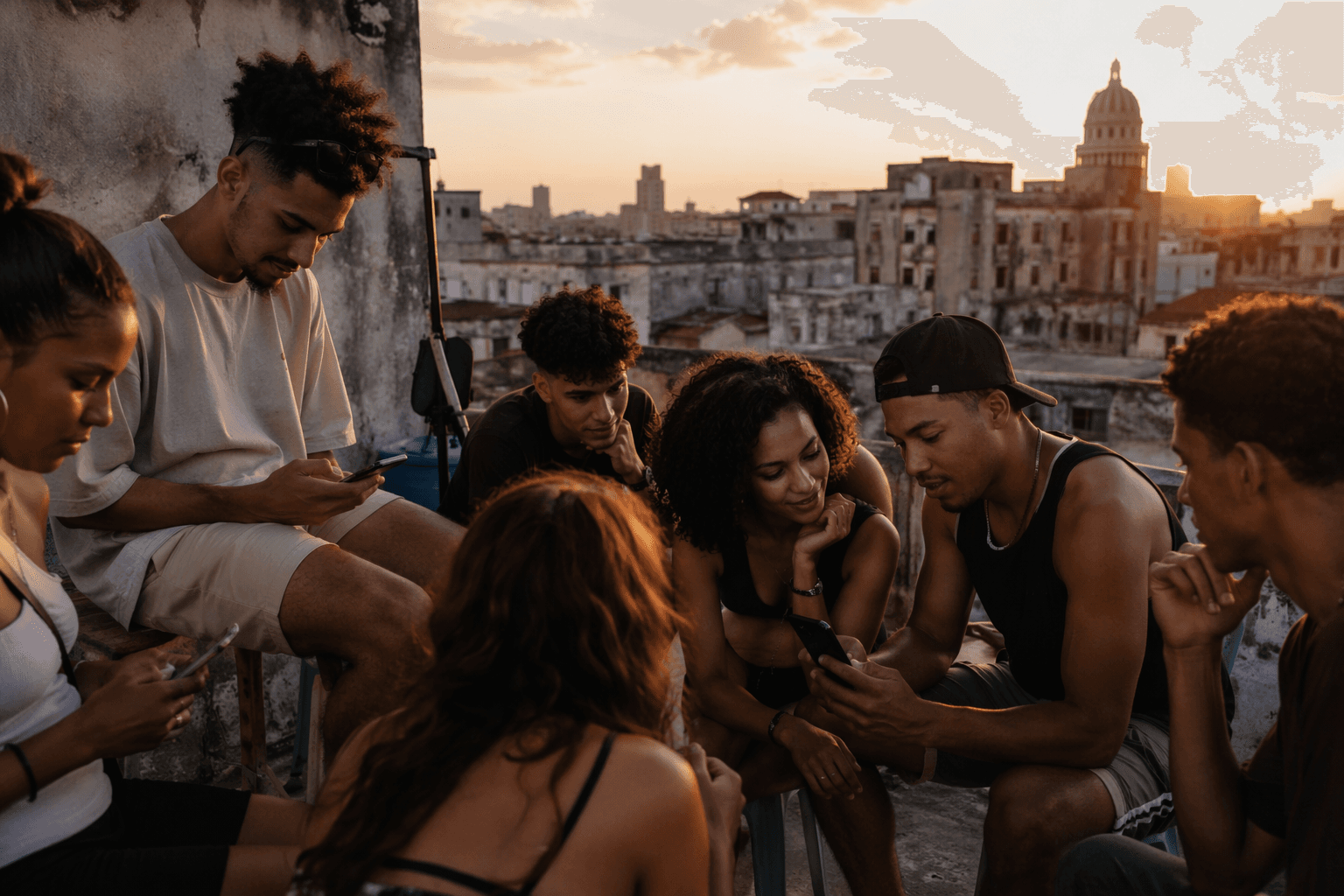
The contrast with everyday life on the island is stark. Human Rights Watch said Cubans endured electricity blackouts in 2024 and 2025, with some areas losing power for up to 20 hours a day. It also said a nationwide blackout in October 2024 hit 10 of Cuba’s 11 million people, leaving some parts of the country without electricity for as long as 70 hours. The same reporting described acute shortages of food, medicine, and other essentials, while repression of dissent continued. Human Rights Watch later said hundreds of people detained after the July 2021 protests remained in prison, with accounts of beatings, solitary confinement, and lack of medical care.

The crisis has kept deepening. In 2024, the Inter-American Commission on Human Rights and REDESCA warned about worsening food insecurity and prolonged power outages. In February 2026, the United Nations Human Rights Office said Cuba’s worsening socio-economic crisis, sharpened by fuel scarcity, was putting health, food, and water systems at risk nationwide. Then on April 23, 2026, Reuters reported that a 100,000-metric-ton shipment of Russian oil brought only temporary relief to an energy-starved country.
That is why the leaked books matter so much. Cuba’s leaders, including Miguel Díaz-Canel, Raúl Castro, and Manuel Marrero, have long blamed the U.S. embargo and sanctions for the collapse. But the documents point to a second truth running beside the first: a military-linked network controlling major assets, hard currency, and strategic sectors while ordinary Cubans face the dark, the queue, and the empty shelf.
This article was produced by Prism’s automated news system from verified source data, official records, and press releases, then run through automated quality and moderation checks before publishing. The system is built and supervised by the people who set the standards it runs under. Read our full AI policy.
Did this article answer your question?